
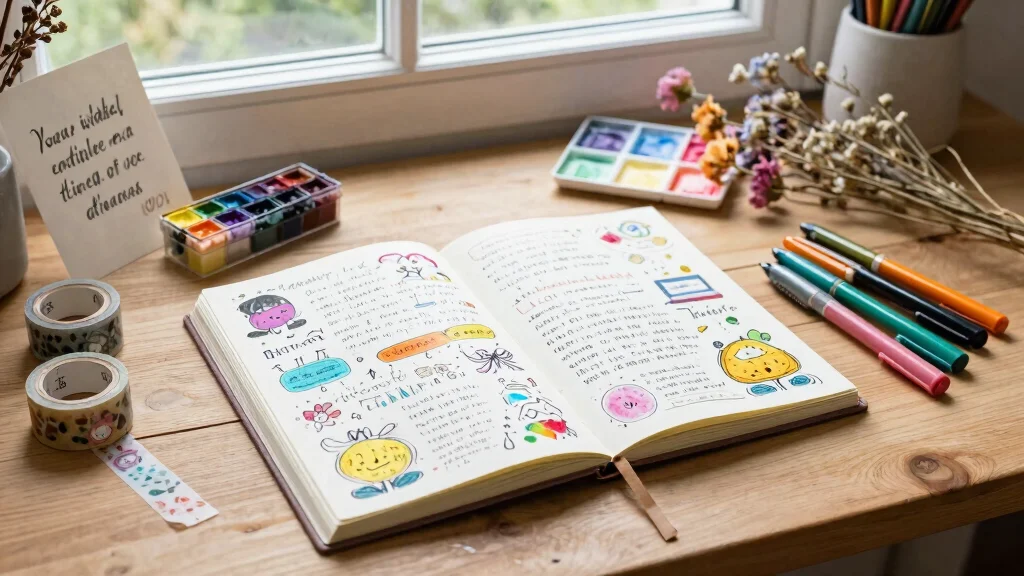
Creating a journal is more than just writing on pages; it’s a creative outlet that can fuel your imagination and enhance your artistic expression. With the hustle and bustle of daily life, many of us find ourselves craving a way to unwind and connect with our inner selves. This blog post was crafted from a desire to inspire you to pick up a pen and explore different ways to make journaling a fun and reflective practice.
If you’re someone who loves DIY projects, art, or simply wants to boost your mental wellness, you’re in the right place. Journaling can be a powerful tool in your toolbox, helping you tap into your creativity while also serving as a refuge for your thoughts. Whether you’re an aspiring artist or a seasoned writer, these 14 creative journal ideas will not only spark your imagination but also provide you with techniques that promote relaxation and self-discovery.
As you dive into this guide, you’ll find a diverse range of journaling styles and prompts—from art journaling to travel journaling. Each idea is designed to ignite your creativity and help you express yourself in new ways. By the end, you’ll have a treasure trove of inspiration to enhance your journaling journey, making it both enjoyable and fulfilling.
Key Takeaways
– Explore various journaling styles, including art journaling and bullet journaling, to find what resonates with you.
– Use DIY journal prompts to spark creativity and guide your writing or artistic endeavors.
– Engage in nature journaling to connect with the outdoors and document your experiences.
– Discover the benefits of mindfulness journaling to ground yourself and promote mental wellness.
– Consider vision board journaling as a fun way to manifest your dreams and set your intentions.
1. Art Journaling: Express Yourself Visually
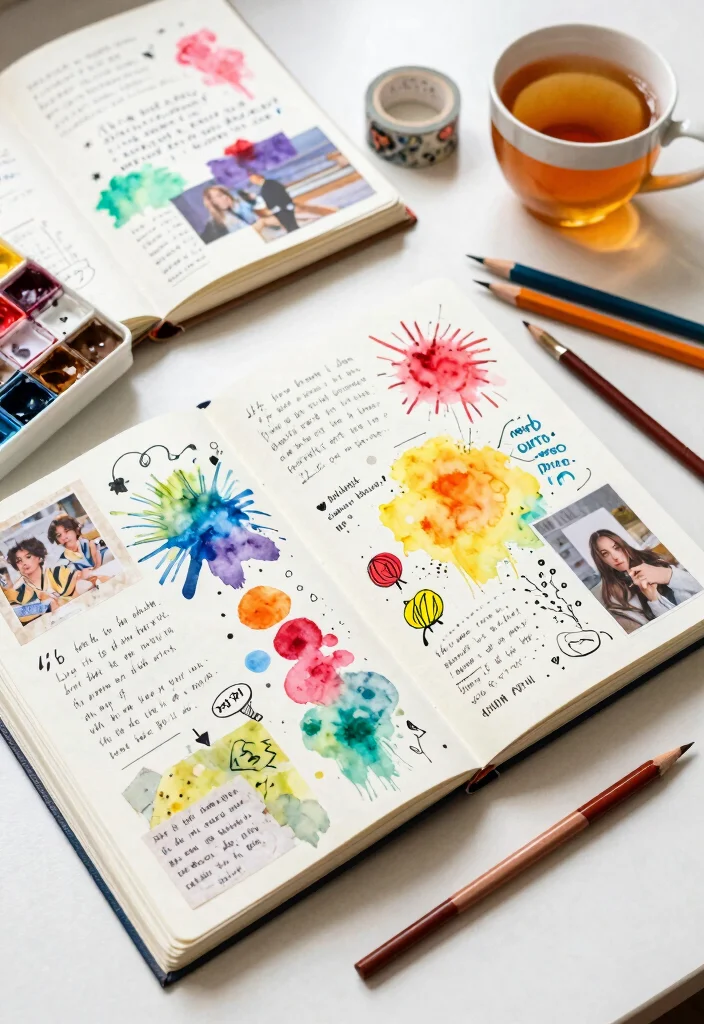
Art journaling is a wonderful way to let your creativity shine without the pressure of perfection. It invites you to play with colors, images, and your feelings, creating a personal masterpiece that reflects your emotions. You can mix various art supplies like paints, stickers, and collage materials to bring your thoughts to life on the page.
To embark on your art journaling journey, start by gathering your favorite supplies. Choose a theme or allow your mood to dictate your colors and shapes. Fill your pages with vibrant designs, doodles, and even snippets of poetry that resonate with you.
Key steps for art journaling:
– Mix different mediums for unique effects.
– Use prompts like “What inspires me?” for guidance.
– Allow your emotions to flow without criticism.
Art journaling is a cathartic experience, helping you express your inner world and enhance your mental well-being.
❝ Fun fact: just 10 minutes of art journaling a day can lift mood by up to 25%. These creative journal ideas turn quiet doodles into a personal, healing ritual.


2. Bullet Journaling: Organize with Style
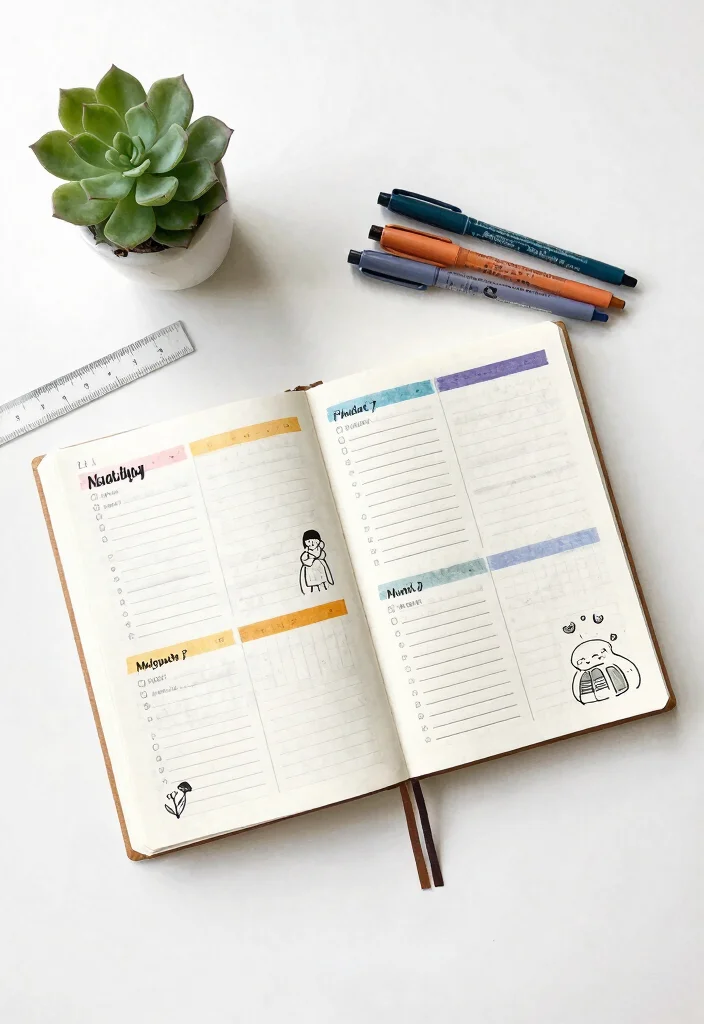
Bullet journaling combines organization with creativity, helping you track your life while adding a personal touch. This method allows you to plan your days, set goals, and keep track of habits in a visually appealing way. With a little flair, your journal can become a vibrant reflection of your personality and style.
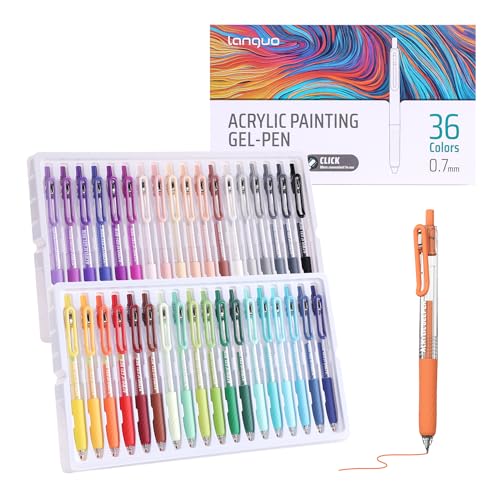
To get started, grab a notebook and some colorful pens. Design layouts that fit your lifestyle—monthly trackers, to-do lists, or habit logs adorned with doodles. Use symbols or colors to categorize tasks, making your journal not only functional but also a visual delight.
Tips for bullet journaling:
– Choose layouts that inspire your creativity.
– Experiment with unique fonts for flair.
– Revise your setup regularly to keep it effective.
Bullet journaling nurtures your creativity while keeping you organized, making daily planning enjoyable and artistic.
📹 Related Video: How to Create a Bullet Journal Plus My Top 10 Tips


3. DIY Journal Prompts: Ignite Your Creativity
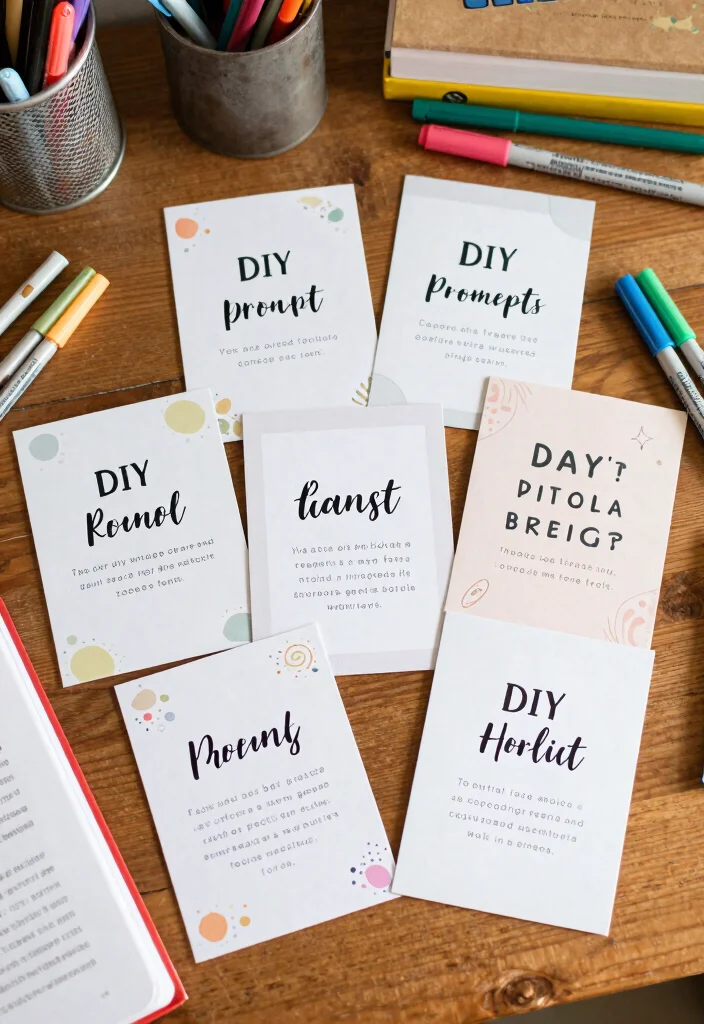
If you’re feeling stuck, DIY journal prompts can spark your imagination and help you explore new ideas. Tailoring prompts to your interests can inspire deeper reflection and creativity. This personalized approach makes journaling more engaging and meaningful.
Create a list of prompts that resonate with you, such as “What does my ideal day look like?” or “What inspires me most?” Keep them handy for moments when you need a creative nudge. Consider crafting beautiful cards for a fun way to choose prompts at random.
Suggestions for DIY prompts:
– Explore aspects of your life you want to dive into.
– Balance light and deep prompts for variety.
– Share your ideas with friends for added inspiration!
Using DIY journal prompts can reveal insights and deepen your understanding of yourself.


4. Nature Journaling: Connect with the Outdoors
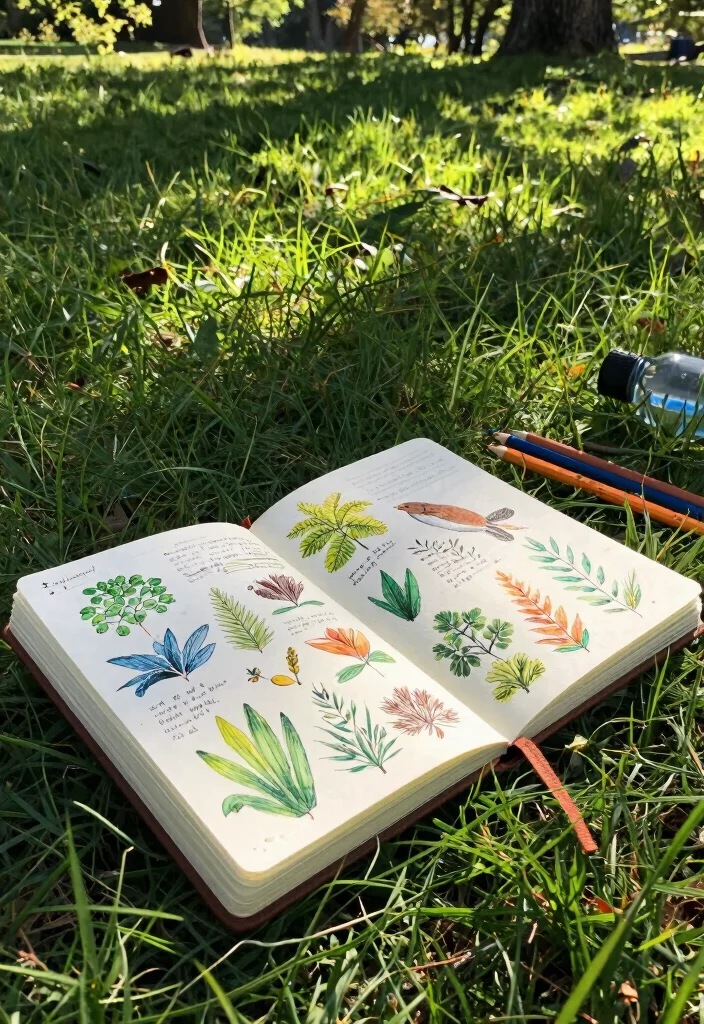
Nature journaling merges your appreciation for the environment with personal reflection and creativity. It encourages you to observe the world around you while enhancing mindfulness and connection to nature. This practice can lead to a greater appreciation for the beauty that surrounds you.
Take your journal into the great outdoors—whether in a park, garden, or on a hike. Capture your observations through sketches, descriptive writing, or even pressed flowers. Reflect on the sights and sounds of nature while jotting down your thoughts and feelings.
Ideas for nature journaling:
– Use colored pencils for quick sketches of landscapes.
– Observe small details like textures or light.
– Include reflections on how nature influences your mood.
Nature journaling helps you connect with your surroundings and fosters both creativity and tranquility.


5. Mindfulness Journaling: Ground Yourself
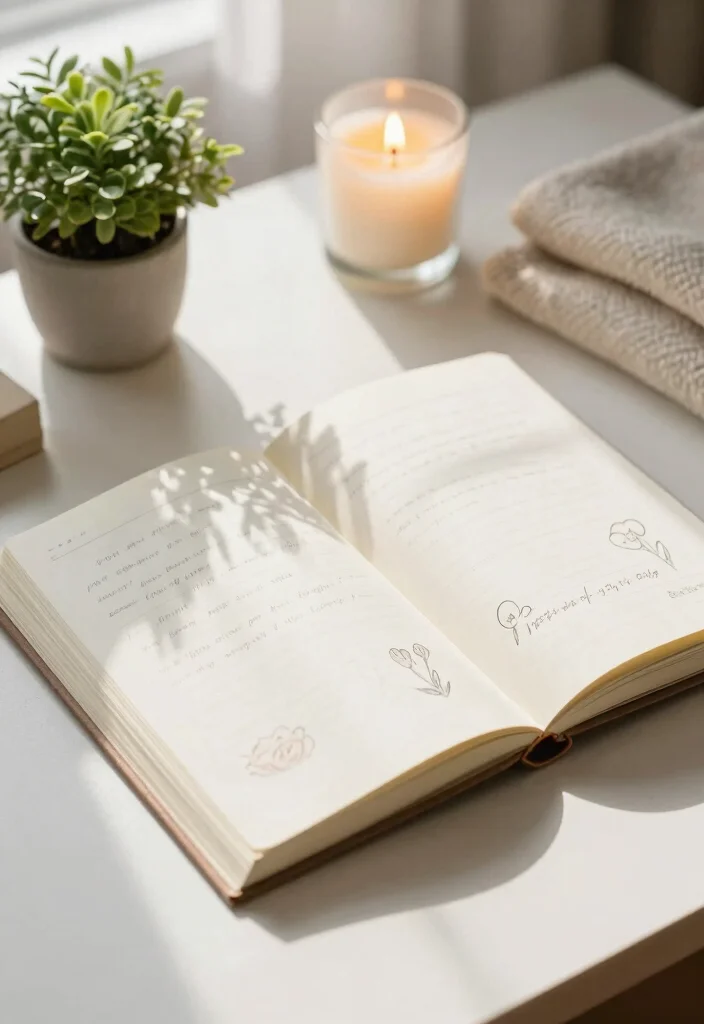
Mindfulness journaling is all about being present and aware of your thoughts and feelings. This practice helps you manage stress and gain a deeper understanding of yourself while promoting emotional health. It invites you to explore your thoughts without judgment.
Find a quiet spot to write down your thoughts as they come. Focus on your current feelings, surroundings, and anything else that strikes your mind. You can also practice mindfulness techniques like deep breathing before you begin writing.
Tips for mindfulness journaling:
– Set a timer for 10-15 minutes to let your thoughts flow.
– Use prompts such as “What am I feeling today?”
– Add drawings or symbols to express emotions visually.
Mindfulness journaling is a valuable tool for self-discovery and emotional clarity, supporting your mental health.
Mindfulness Journaling: Ground Yourself
Editor’s Choice




6. Travel Journaling: Capture Your Adventures
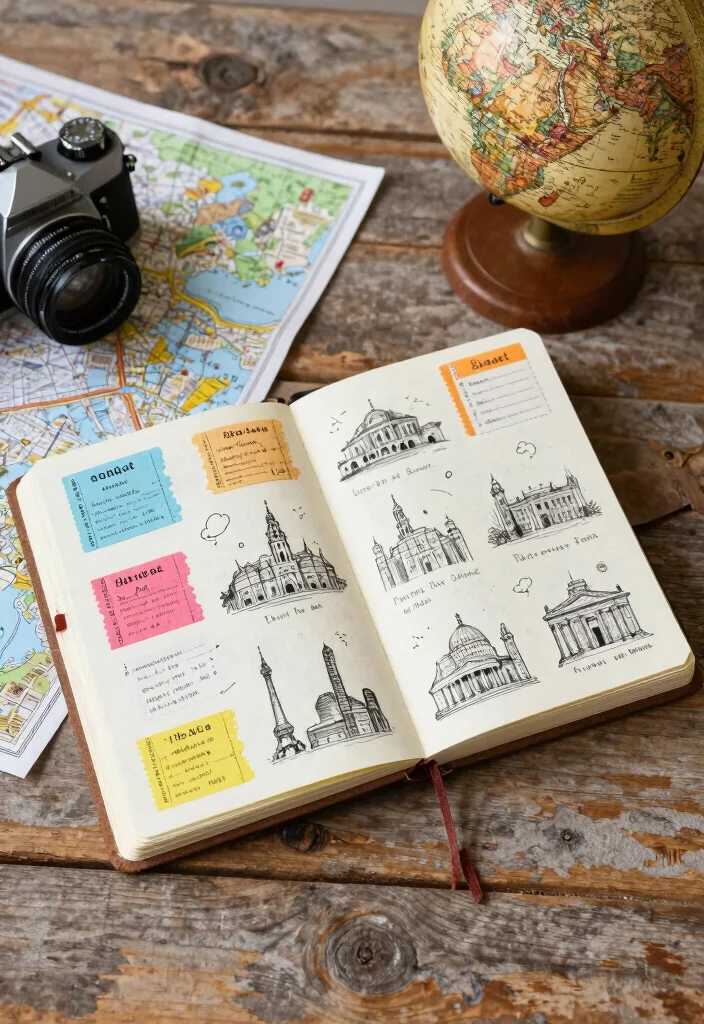
Travel journaling offers a delightful way to document your journeys and experiences as you explore new places. It’s not just about writing; it’s about capturing the essence of your adventures through sketches, ticket stubs, and personal reflections.
As you travel, keep a journal handy to jot down your thoughts, feelings, and observations. Add mementos like ticket stubs or pressed flowers to enrich your entries. This tactile approach creates a beautiful keepsake that you can cherish for years.
Key ideas for travel journaling:
– Highlight daily adventures to capture special moments.
– Include local maps or images for visual interest.
– Write down favorite quotes or memorable experiences.
Travel journaling allows you to relive your adventures while fostering creativity and appreciation for your experiences.
7. Gratitude Journaling: Cultivate Positivity
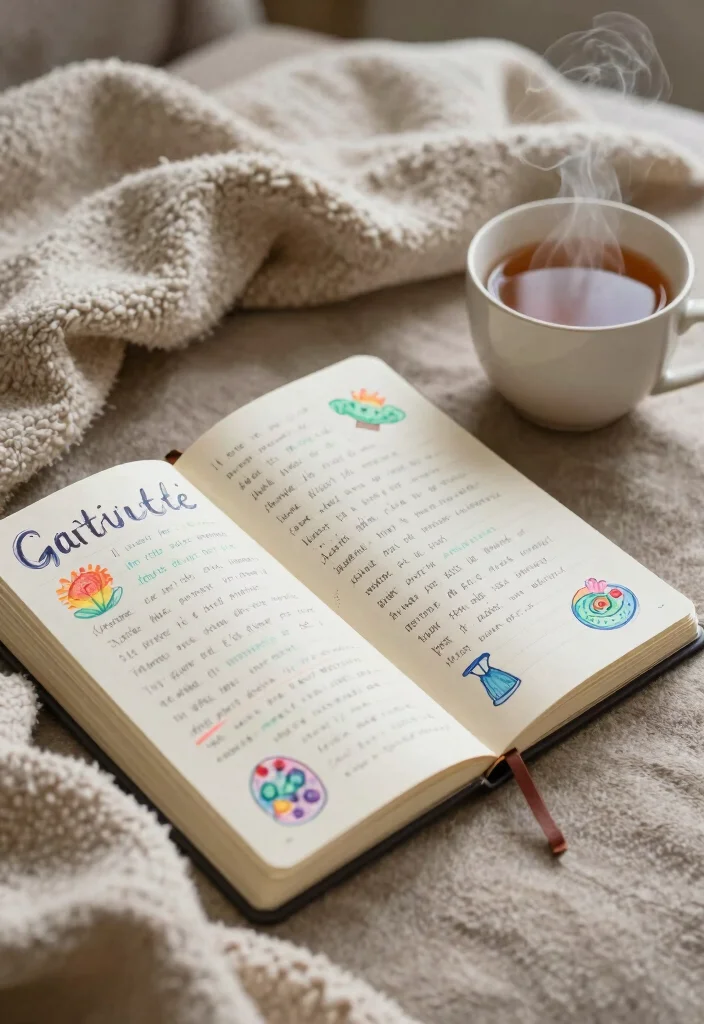
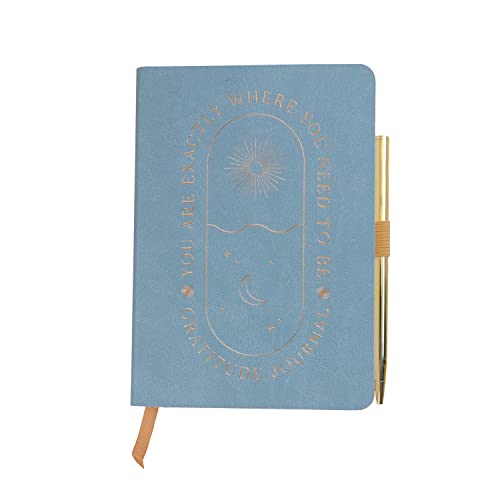
Gratitude journaling is a simple yet powerful way to enhance your mental wellness. By regularly reflecting on what you’re thankful for, you shift your focus toward positivity and joy. This practice can significantly improve your overall mood and outlook on life.
Every day, write down three things you are grateful for, whether it’s a stunning sunset or a kind act from a friend. Over time, you’ll notice a shift in your mindset as you learn to appreciate the good in your life.
Suggestions for gratitude journaling:
– Add visuals like drawings or stickers to represent your gratitude.
– Establish a daily routine, such as morning or evening journaling.
– Revisit past entries to reflect on your blessings.
Gratitude journaling nurtures a positive mindset, helping you cultivate joy in your everyday life.
Fun fact: People who write down three things they’re grateful for every day report a 15% mood boost within two weeks. With simple creative journal ideas, you turn gratitude into a tiny daily ritual that colors your whole day.
Gratitude Journaling: Cultivate Positivity
Editor’s Choice


8. Creative Writing Exercises: Unleash Your Words

Creative writing exercises can ignite your imagination and inspire fresh ideas. Whether you prefer storytelling, poetry, or free writing, these exercises encourage you to explore different formats and styles. They provide a fun way to express your thoughts and feelings.
Try prompts like “Write a letter to your younger self” or “Describe your favorite place in detail.” Set aside dedicated time each week for distraction-free writing, allowing your creativity to flow without constraints.
Ideas for creative writing exercises:
– Set a timer for short bursts of writing.
– Join writing groups or challenges for motivation.
– Don’t focus on editing—just let your creativity shine.
Creative writing exercises foster self-expression and can be an enjoyable way to articulate your thoughts.
Creative Writing Exercises: Unleash Your Words
Editor’s Choice




9. Recipe Journaling: Blend Art and Culinary Delight
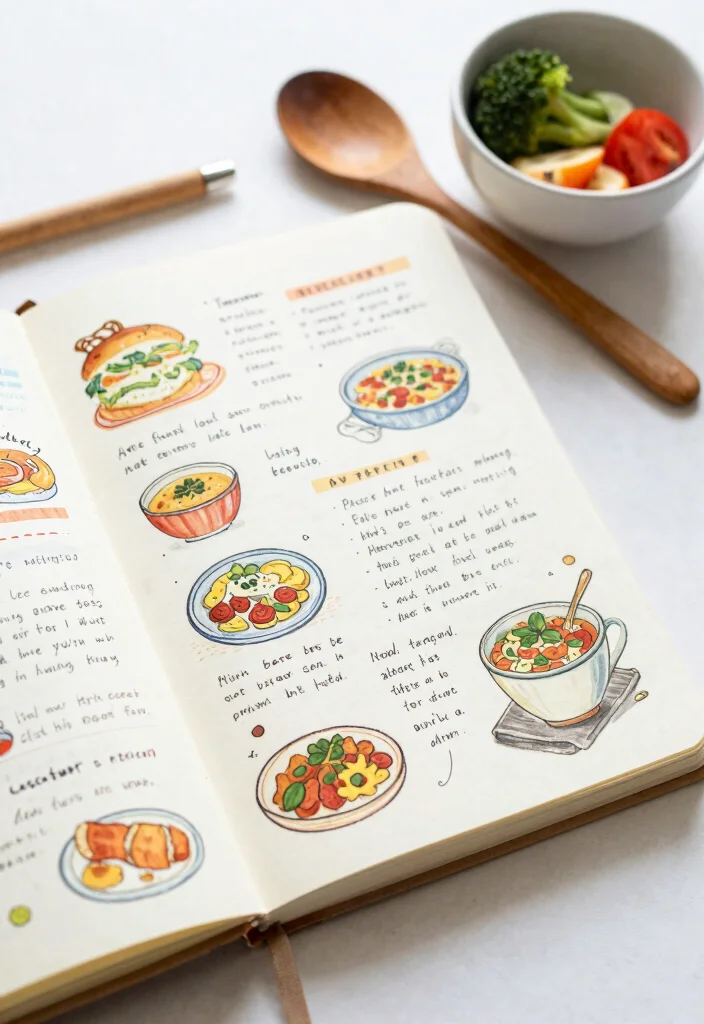
Recipe journaling is an exciting way to merge your passion for cooking with creativity. Document your favorite recipes, cooking experiences, and culinary adventures while adding your artistic flair. This practice allows you to explore food and express yourself simultaneously.
Create sections in your journal for various cuisines or occasions. Write down recipes along with notes on the cooking process, adjustments made, and the feelings associated with each dish. Feel free to sketch or doodle your favorite meals to enhance the experience.
Suggestions for recipe journaling:
– Combine handwritten notes with printed images for visual interest.
– Write about the memories tied to each recipe.
– Share personal reflections on how a dish can evolve.
Recipe journaling blends culinary arts with creativity, making it a delightful way to explore food.


How To Choose The Right Creative Journal
Choosing the right creative journal can enhance your artistic expression and mental wellness. Here’s how to find the perfect one for your needs.
1. Purpose
Think about what you want to achieve with your journal. Are you looking to explore art journaling, write creatively, or practice mindfulness? Each purpose may require a different type of journal. For instance, an art journal might need thicker paper to handle paint, while a bullet journal might focus on organization and planning.
2. Size
The size of your journal can impact your creative process. Smaller journals are portable and great for travel or on-the-go journaling. Larger journals provide more space for expansive ideas and artistic layouts. Consider where you’ll use your journal. If you’re often out and about, a compact size may be best.
3. Paper Quality
The quality of the paper is crucial for any creative journal. Thicker paper is ideal for art projects involving paint or markers. If you prefer writing with ink or gel pens, look for smooth paper that prevents bleed-through. Test different papers to find the one that feels right for your style.
4. Binding Type
There are several binding options to consider, such as spiral, hardcover, or stitched. Spiral-bound journals lay flat, making them easy to write or draw in. Hardcovers provide durability, while stitched bindings can add a handmade feel. Choose a binding style that aligns with your creative habits.
5. Design and Aesthetic
The look of your journal can inspire creativity. Choose a cover design that resonates with you or reflects your personality. Whether you prefer vibrant colors, minimalist designs, or nature themes, find a journal that sparks joy when you see it. Your connection to your journal can motivate you to use it regularly.
6. Budget
Finally, consider how much you’re willing to spend. Journals come in a wide price range. While it’s tempting to splurge on high-end options, many affordable journals can serve your needs just as well. Set a budget that allows you to explore various options without overspending.
Pro Tip: Look for journals that offer features like prompts or guided pages if you’re starting out. These can help spark creativity and make the journaling experience more enjoyable. Don’t hesitate to visit local craft stores to feel different journals before purchasing!

10. Collage Journaling: Create with Cutouts
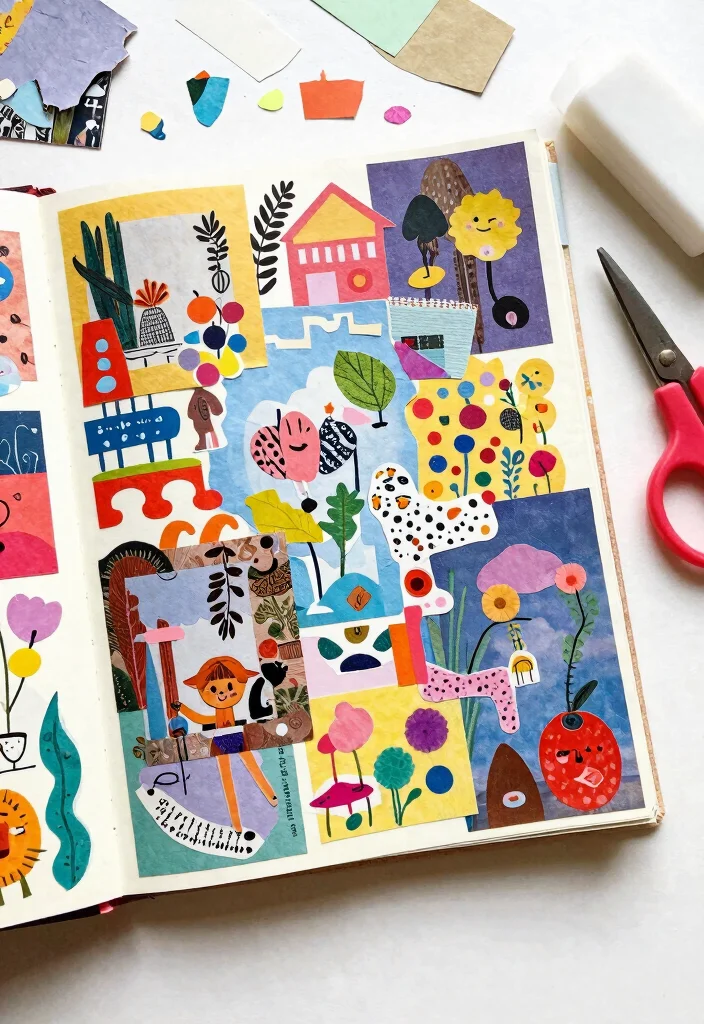
Collage journaling is a fun way to express your thoughts and dreams using cutouts from magazines, photos, and other materials. This tactile method allows you to create visually stunning pages by layering images and text, bringing your ideas to life.
Choose a theme like “dreams” or “future goals” and gather materials that resonate with those ideas. Cut, paste, and arrange different elements to create vibrant pages filled with meaning. This hands-on approach can be a meditative experience, letting your creativity flourish.
Ideas for collage journaling:
– Mix styles and colors for a dynamic look.
– Use glue sticks or washi tape for easy layering.
– Incorporate your own drawings or quotes for personalization.
Collage journaling is a whimsical way to visualize your thoughts and unleash your creativity.
Collage Journaling: Create with Cutouts
Editor’s Choice


11. Positivity Journaling: Focus on the Bright Side
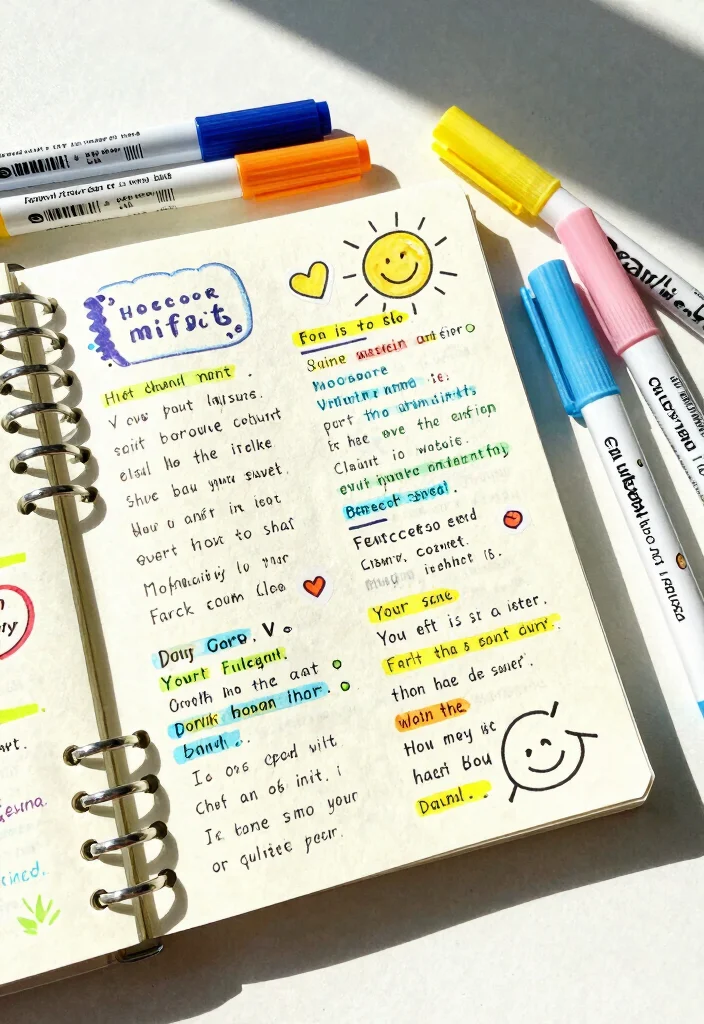
Positivity journaling is all about fostering optimism and joy in your life. This practice encourages you to reflect on uplifting experiences, helping to cultivate a positive mindset. By focusing on the good, you can enhance your emotional resilience and overall happiness.
Each day, take a moment to jot down positive moments, inspiring quotes, or things that made you smile. You can also create affirmations to reinforce a cheerful outlook. Bright colors and doodles can enhance the joyful vibe of your entries.
Tips for positivity journaling:
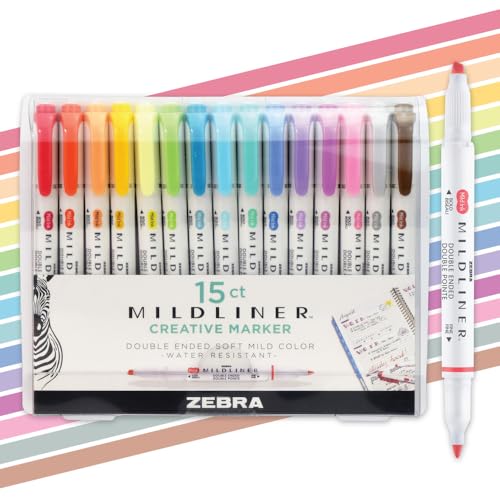
– Use colorful pens or markers to brighten your pages.
– Share your positive entries with friends for support.
– Reflect weekly on your uplifting moments to maintain positivity.
Positivity journaling creates a delightful journey, nurturing happiness and a brighter perspective on life.
Positivity journaling is your creative journal ideas in action: notice small joys, write them down, and watch your mood shift. When you color the page and write affirmations, you invite optimism to lead your day.
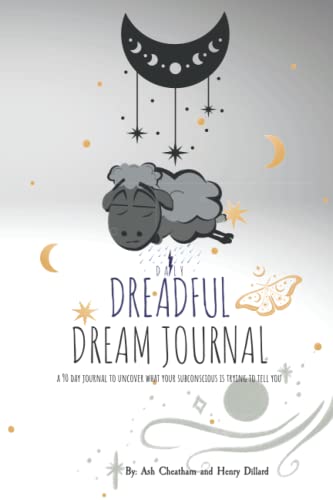
12. Dream Journaling: Uncover Your Subconscious
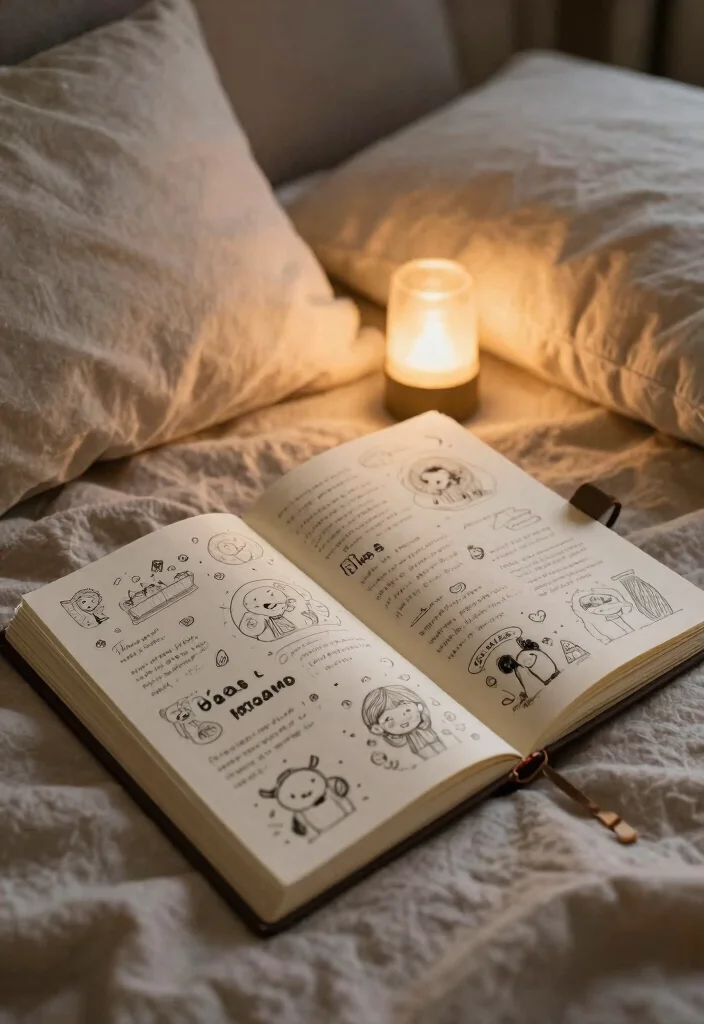
Dream journaling is a captivating way to explore your subconscious mind through the recording of your dreams. By capturing your dreams, you can identify patterns, themes, and emotions that may surface during sleep, enriching your self-awareness.
Keep a dedicated journal by your bed to jot down your dreams immediately upon waking, capturing every detail you can remember. Reflect on the meanings behind those dreams and how they may connect to your waking life. You can even draw symbols or images that resonate with your dreams.
Ideas for dream journaling:
– Write in a relaxed state to improve recall.
– Create symbols for common themes in your dreams.
– Review your dreams regularly to uncover insights.
Dream journaling can unlock valuable insights into your thoughts and feelings, enhancing your understanding of yourself.

13. Self-Discovery Journaling: Explore Your Identity
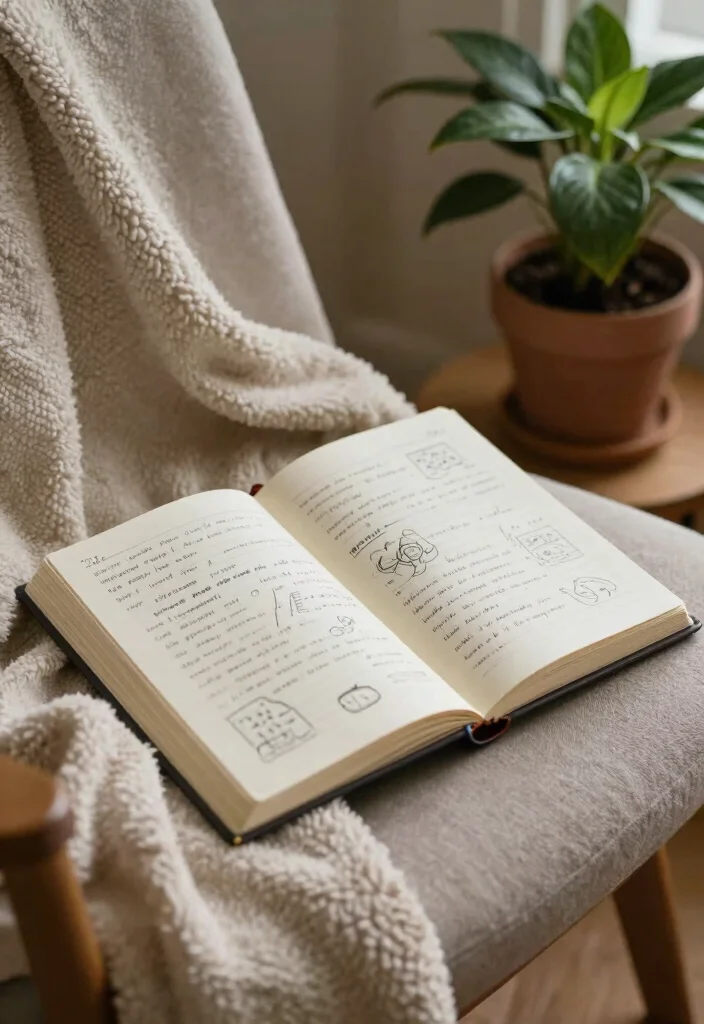
Self-discovery journaling is a meaningful way to explore your thoughts, aspirations, and values. This practice helps you gain clarity about who you are and what truly matters to you. It encourages deep introspection and personal growth.
Create prompts that push you to reflect, such as “What are my core values?” or “What brings me joy?” Set aside time each week to explore these questions, writing without hesitation. Adding drawings or symbols can make the experience even more impactful.
Suggestions for self-discovery journaling:
– Create a comfortable space that promotes reflection.
– Take your time to let thoughts flow naturally.
– Review past entries to see your growth over time.
Self-discovery journaling is an empowering journey that leads to greater self-awareness and clarity.
Self-Discovery Journaling: Explore Your Identity
Editor’s Choice


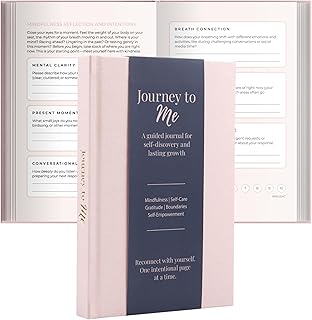
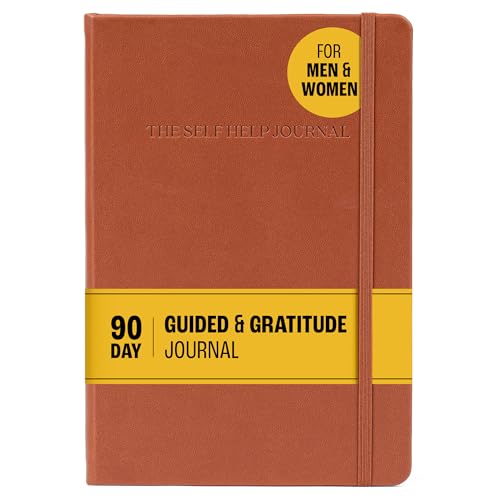
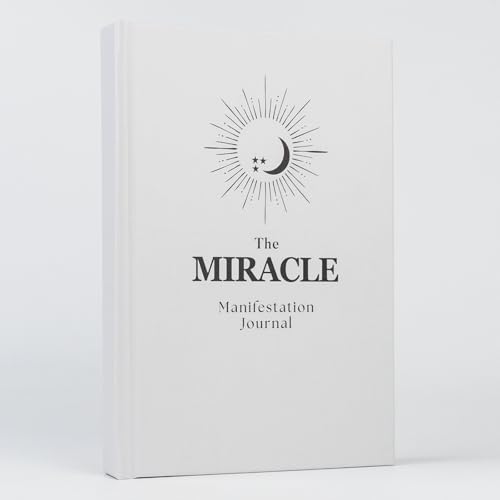
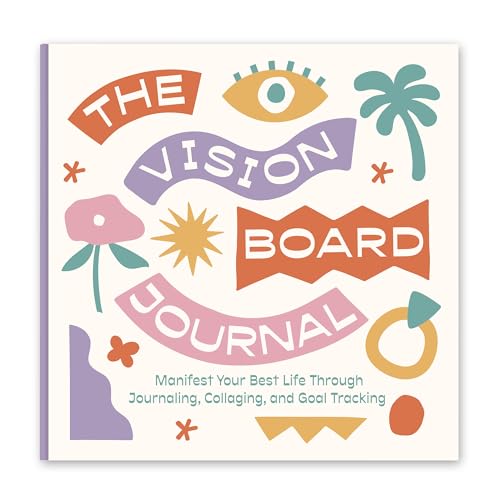
14. Vision Board Journaling: Manifest Your Dreams
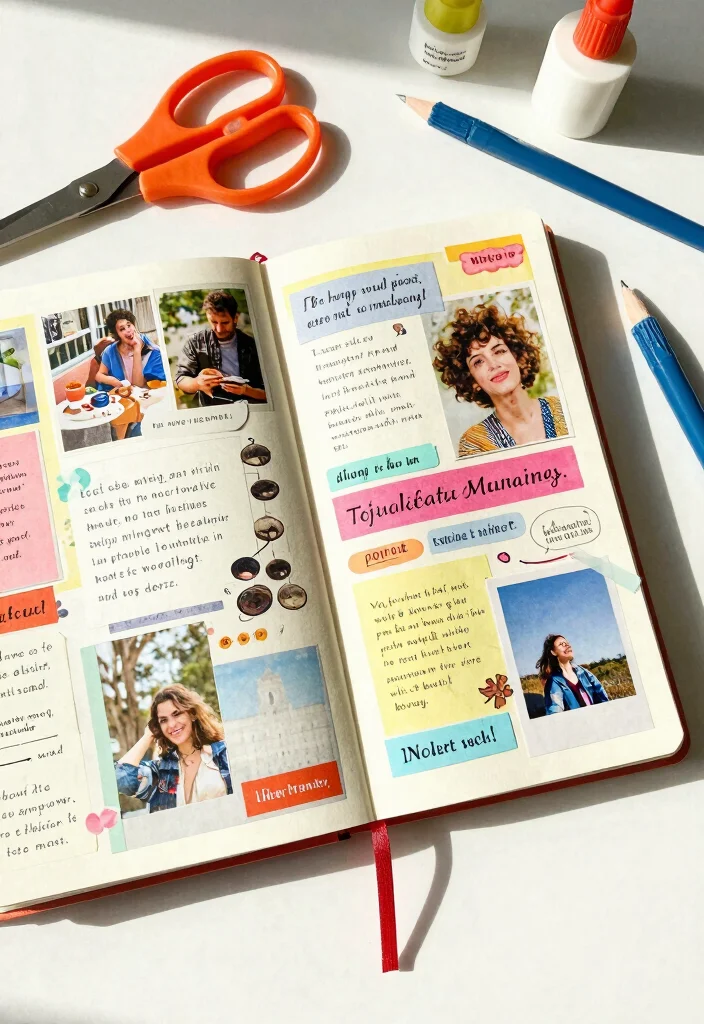
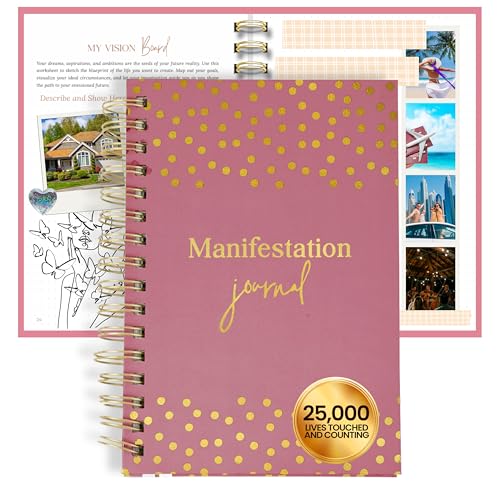
Vision board journaling combines journaling with visual goal-setting to help you manifest your dreams. This creative practice allows you to visualize what you aspire to achieve in life, bringing your goals to the forefront.
Gather images, quotes, and colors that resonate with your aspirations. Create a dedicated section in your journal where you can arrange these elements into a cohesive visual representation of your dreams. Make it vibrant and personal, reflecting your unique desires and ambitions.
Tips for vision board journaling:
– Use magazines, photographs, or printouts to gather materials.
– Regularly update your vision board as your goals evolve.
– Reflect on your vision board to stay motivated and aligned.
Vision board journaling encourages you to take action towards your dreams, making it a powerful tool for manifestation.

Conclusion

Creative journaling is a beautiful way to explore your thoughts, feelings, and artistic abilities. From art journaling to self-discovery prompts, these 14 creative journal ideas offer something for everyone, encouraging personal growth and enhancing mental wellness.
Whether you’re looking to organize your life, express your creativity, or cultivate gratitude, there’s a journaling practice to suit your needs. Embrace the journey, and let your journal be a canvas for your imagination!
Note: We aim to provide accurate product links, but some may occasionally expire or become unavailable. If this happens, please search directly on Amazon for the product or a suitable alternative.
This post contains Amazon affiliate links, meaning we may earn a small commission if you purchase through our links, at no extra cost to you.
Frequently Asked Questions
What are some beginner-friendly creative journal ideas to spark imagination and mental wellness?
Here are beginner-friendly creative journal ideas that fit busy days and boost art journaling habit while supporting mental wellness.
Try: 1) a 5-minute doodle page; 2) a color-coordinated mood wheel; 3) a collage page with magazines or fabric scraps; 4) a one-line story paired with a quick sketch; 5) a gratitude page with a small drawing.
Using a handmade journal makes this feel personal. These ideas are low-pressure and easy to start, yet they unlock imagination.
How can art journaling help with stress relief and emotional expression?
Art journaling can be a soothing, private space to process emotions and spark resilience.
Start with a timer, pick simple supplies, and let the page be about process, not perfection.
Pair a quick drawing with a few words to express how you feel, which is a form of creative writing exercises integrated into art journaling.
Try a 10-minute session: sketch a shape that represents the day, then write a sentence or two about what it means.
Regular practice can reduce stress and boost self-awareness.
What’s the difference between art journaling, bullet journaling, and DIY journal prompts?
Art journaling focuses on visual expression and symbolic meaning.
Bullet journaling emphasizes organization with rapid logging and monthly/daily layouts.
DIY journal prompts are custom prompts you create or collect to spark pages in any journal.
You can combine them by using DIY journal prompts within an handmade journal or mixing bullet journaling structure with little art prompts.
The key is to make space for imagination and reflection in a way that suits you.
How can I start a handmade journal on a budget for creative writing exercises?
You can start small and thrifty. Use a plain notebook or sketchbook, or bind loose pages into a simple cover.
Personalize with recycled papers, fabric scraps, and a DIY cover.
For the binding, you can stitch, use binder rings, or a simple hole-punched spine.
Use inexpensive art supplies and rotate prompts to fit your layout.
A handmade journal becomes a cozy home for creative writing exercises and creative journal ideas without breaking the bank.
What are some DIY journal prompts that boost creativity and imagination?
Try these prompts to fuel your creative journal ideas and art journaling practice:
1) If this page had a soundtrack, what song plays?
2) Draw a scene from a dream and write the first thought that comes to mind.
3) List ten colors and assign a feeling to each.
4) Describe your future self visiting the present moment.
5) Turn an ordinary object into something magical on the page.
Use these DIY journal prompts during bullet journaling sessions or any handmade journal to spark creative writing exercises.
Related Topics
creative journal ideas
art journaling
DIY journal prompts
bullet journaling
mental wellness
beginner friendly
creative writing exercises
handmade journals
self-expression
mindfulness techniques
easy crafts
artistic techniques