
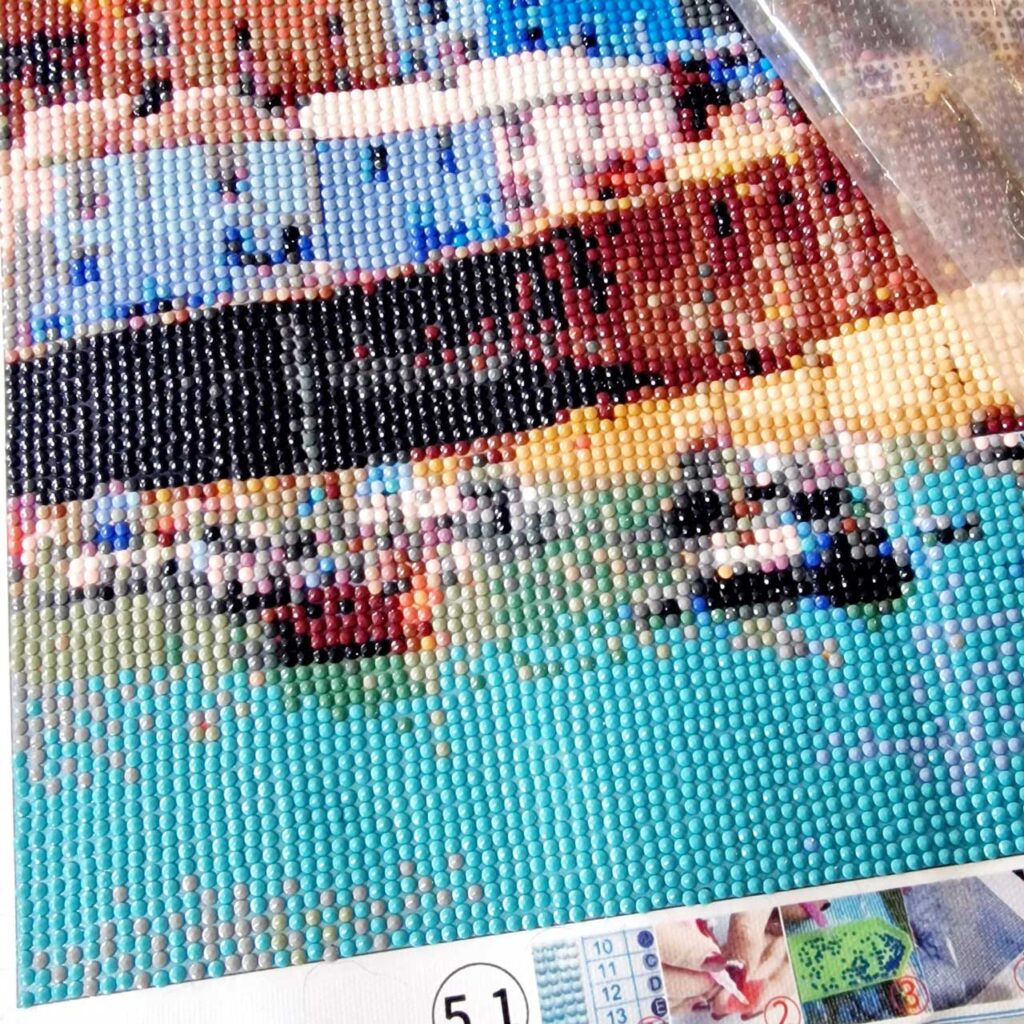
What is diamond art painting? At its core, diamond art painting is a captivating craft that merges the therapeutic elements of painting with the intricate precision of mosaics. This hobby involves using tiny, shimmering resin rhinestones—often referred to as “diamonds”—to create stunning, jewel-like images on a canvas. Unlike traditional painting, it emphasizes a pointillism-style approach where each diamond is placed according to a color-coded chart, resulting in a sparkling masterpiece that combines creativity with relaxation. This activity has surged in popularity as a stress-relieving pastime, appealing to both beginners and seasoned crafters who seek a meditative way to unwind while producing beautiful art.
Diamond Art Painting: An Introduction to the Craft
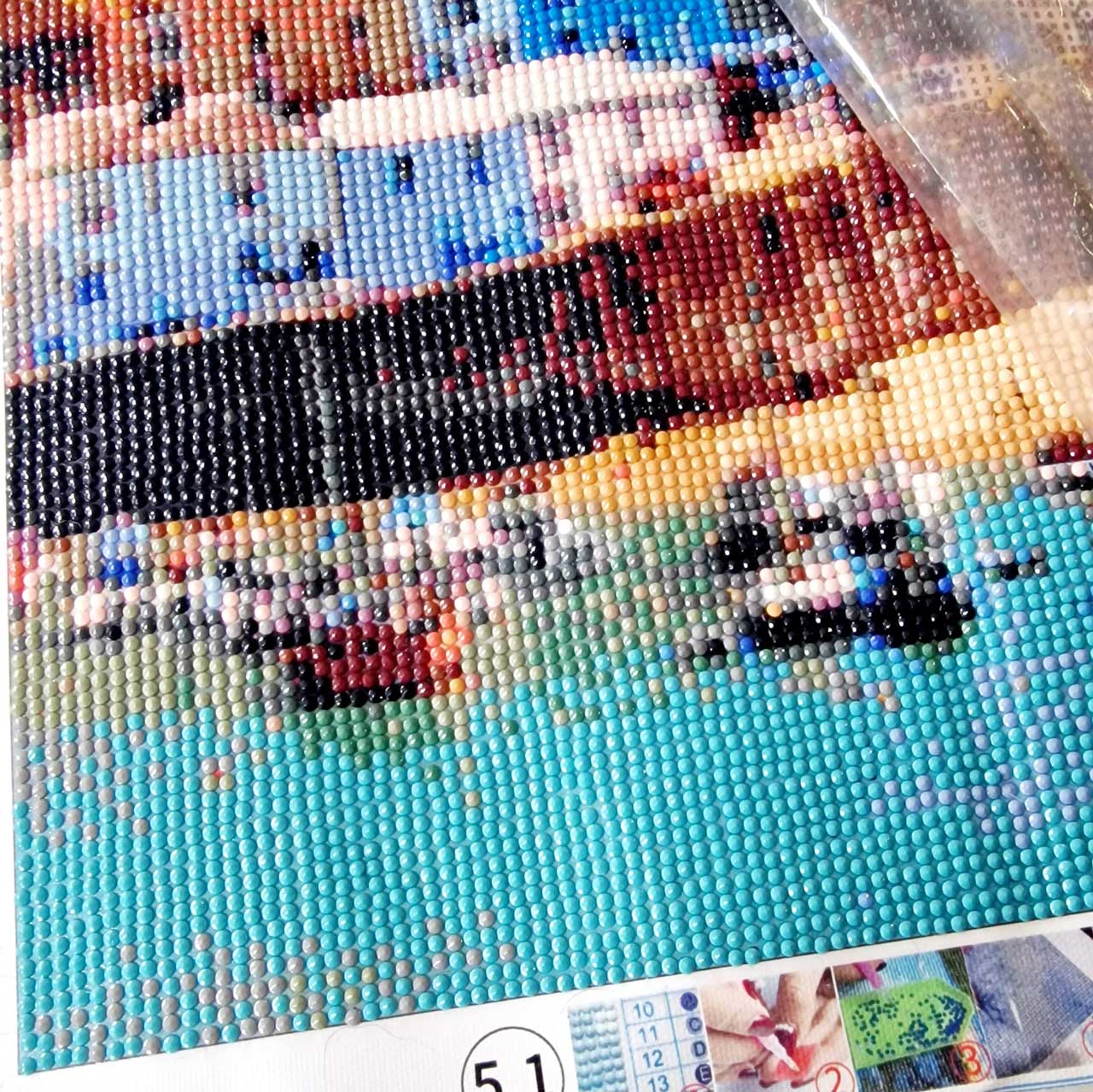
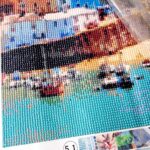
Diamond art painting stands out as a modern twist on classic crafting techniques, drawing inspiration from cross-stitching and mosaic art while introducing a glossy, dimensional element that elevates the final product. Essentially, it begins with a pre-printed canvas that features a sticky adhesive surface covered in a protective film, dotted with symbols corresponding to specific diamond colors. Crafters select the appropriate diamonds from organized trays and use a specialized tool to pick them up and place them meticulously on the canvas. This process not only fosters a sense of accomplishment but also allows individuals to explore their artistic side without needing advanced drawing skills. The allure lies in the tactile experience—the satisfying click of each diamond securing into place—and the way light interacts with the finished piece, creating a dazzling effect that traditional art forms can’t replicate.
Beyond its basic mechanics, diamond art painting has evolved into a global phenomenon, bridging cultural gaps and appealing to diverse age groups. Originating from adaptations of pixel art and beadwork in the early 2000s, it gained traction through online communities and social media platforms where enthusiasts share their completed works. This craft encourages personalization; for instance, you might choose themes ranging from serene landscapes to vibrant abstract designs, making it adaptable for home decor or gifts. The meditative repetition involved can be compared to mindfulness practices, helping participants achieve a flow state that reduces anxiety and promotes mental clarity. As more people turn to hobbies for self-care, diamond art painting continues to grow, offering a low-barrier entry into the world of visual arts.
Unveiling the Process: Understanding Diamond Art Techniques
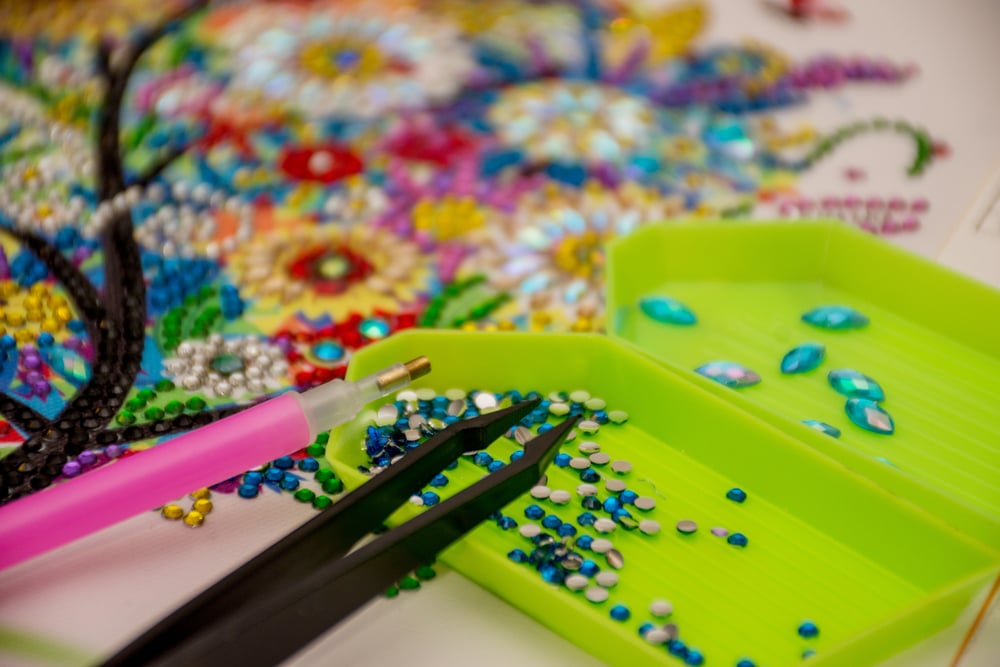
The process of diamond art painting unfolds in a series of straightforward yet engaging steps that transform a blank canvas into a radiant artwork. First, you’ll unroll the canvas and familiarize yourself with the color chart, which acts as a guide to match symbols on the adhesive surface to the corresponding diamond pouches. Using the applicator tool—typically a pen-like device with a sticky tip—you’ll dip it into a tray of wax for better adhesion, then pick up individual diamonds and place them one by one onto the canvas. This methodical approach requires patience and precision, but it’s the gradual buildup of colors and patterns that makes the experience rewarding. Techniques vary slightly between kits; some advanced sets include partial drilling for mixed media effects, while others focus on full coverage for a seamless finish. Mastering these basics can lead to experimenting with layering diamonds or even incorporating custom elements, turning a simple craft into a personalized expression.
Delving deeper, diamond art techniques offer opportunities for innovation that go beyond the standard kit instructions. For example, experienced crafters might employ a “partial fill” method, where they selectively apply diamonds to highlight certain areas, creating depth and focal points in the design. This technique draws from principles of composition in fine art, allowing users to play with light and shadow for more dynamic results. Additionally, the process can be enhanced with tools like magnifying glasses for intricate details or LED lights to appreciate the sparkle during evening sessions. What sets this apart is its accessibility; unlike oil painting or sculpture, which demand years of practice, diamond art provides immediate gratification. Over time, practitioners often develop their own rituals, such as listening to podcasts while working, which further integrates the craft into daily life and enhances its therapeutic benefits.



Materials and Tools: Essential Components for Diamond Art
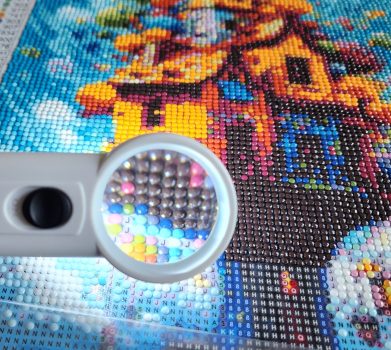
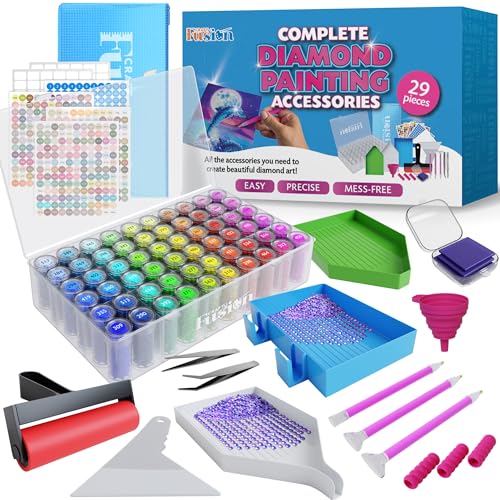
When embarking on a diamond art painting project, selecting the right materials and tools is crucial for a smooth and enjoyable experience. At the heart of any kit is the canvas, typically made from high-quality fabric with a strong adhesive backing that ensures diamonds stay in place over time. You’ll also need the diamonds themselves, which are categorized by shape—round or square—and size, with most kits providing multi-faceted resins that catch the light beautifully. Essential tools include the diamond applicator pen, wax pots for the pen’s tip, and organization trays to sort the diamonds by color, preventing mix-ups during long sessions. These components are designed for ease of use, with many kits including extras like tweezers for precise placement or storage bags to keep everything tidy. Investing in durable materials can make a significant difference, as premium canvases resist bubbling and high-grade diamonds offer better shine.
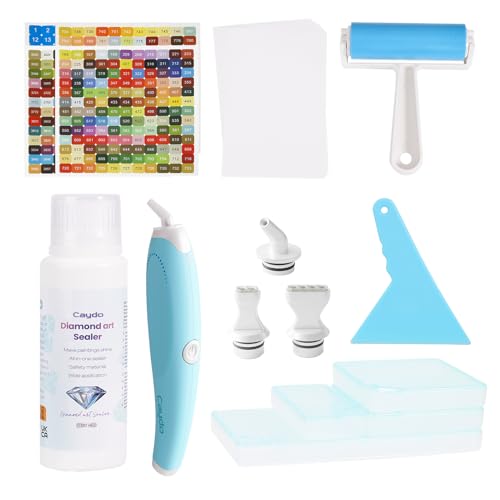
Exploring the broader range of materials reveals how choices can influence the outcome and enjoyment of diamond art painting. For instance, advanced users might opt for eco-friendly diamonds made from recycled resins or experiment with custom canvases printed with personal photos, adding a layer of sentimentality to the craft. Tools like ergonomic pens with comfortable grips reduce hand strain during extended periods, while organizational systems such as divided storage boxes streamline the workflow. It’s fascinating how these elements tie into sustainability trends, with some brands now offering reusable canvases or biodegradable packaging. Beyond the basics, accessories like framing kits or protective sealants can preserve your artwork, ensuring it remains vibrant for years. This emphasis on quality materials not only enhances the final product but also deepens the crafter’s connection to the process, making diamond art a fulfilling investment.
Diamond Art Painting: Benefits and Creative Expression
Diamond art painting offers a multitude of benefits that extend far beyond the creation of beautiful visuals, serving as a gateway to improved mental health and personal growth. One key advantage is its role in stress reduction; the repetitive motion of placing diamonds induces a state of flow, similar to meditation, which can lower cortisol levels and alleviate symptoms of anxiety. Creatively, it allows individuals to express themselves without the pressure of perfection, as the pre-designed canvas provides structure while still permitting variations in technique. This blend of guidance and freedom fosters self-confidence, especially for beginners who might feel intimidated by traditional art forms. Moreover, the sense of accomplishment from completing a piece can boost dopamine, encouraging ongoing engagement and even inspiring participants to explore related crafts like embroidery or digital design.
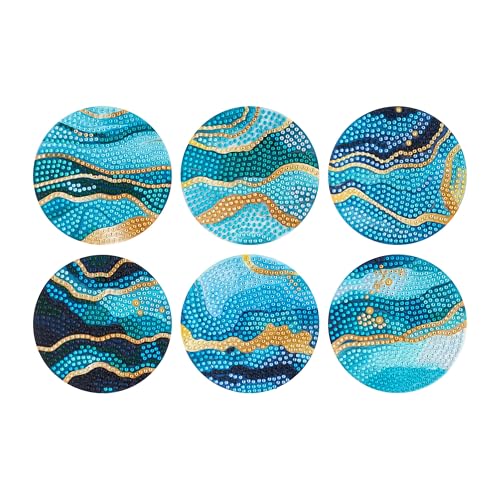
The creative expression in diamond art painting unlocks endless possibilities for personalization and emotional outlet. For example, choosing themes that resonate personally—such as nature scenes for outdoor enthusiasts or abstract patterns for the creatively inclined—can turn the activity into a form of journaling. This craft also promotes fine motor skills and cognitive function, particularly in older adults, by requiring attention to detail and color coordination. What is diamond art painting if not a tool for storytelling? Many users incorporate it into therapy, using the process to process emotions or commemorate life events. Over time, the accumulation of completed pieces can form a personal gallery, reflecting one’s journey and evolution as an artist, thus enriching both the mind and the living space.


Choosing Your Project: Selecting Diamond Art Kits and Designs
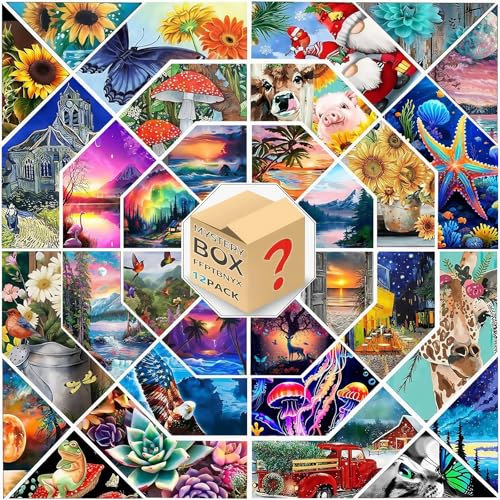
Selecting the perfect diamond art project begins with understanding the vast array of kits and designs available, each tailored to different skill levels and preferences. Beginners might start with smaller canvases, around 10×10 inches, featuring simple patterns like flowers or animals, which allow for quick completion and build confidence. Kits vary by brand, with some offering high-resolution images for intricate details and others focusing on thematic collections such as holiday motifs or pop culture icons. Factors to consider include the number of colors—more complex designs might have 30 or more, providing richer visuals—and the drilling style, whether full or partial, which affects the overall texture. Online reviews and community forums can guide choices, helping you pick kits that align with your aesthetic goals and time constraints.
Once you’ve delved into the selection process, the joy of diamond art painting lies in customizing your experience to match your lifestyle. For instance, if you’re short on space, opt for portable kits with roll-up canvases, or if you’re environmentally conscious, seek out those with sustainable materials. Designs can range from realistic portraits that challenge your precision to whimsical abstracts that encourage playful experimentation. This selection phase is an opportunity for growth, as trying varied themes—like seascapes or geometric patterns—can expand your creative horizons. Ultimately, what is diamond art painting without the excitement of discovery? By choosing projects that inspire you, you’ll not only enhance your skills but also create pieces that tell your unique story.


Diamond Art Painting: Tips, Tricks, and Best Practices
To excel in diamond art painting, incorporating effective tips and tricks can elevate your technique and make the process more efficient. One fundamental tip is to work in sections; remove the protective film from only a small area of the canvas at a time to prevent the adhesive from drying out and attracting dust. Always organize your diamonds by color in a grid tray for easy access, and keep your workspace well-lit to accurately match shades. A handy trick is to use a damp cloth to clean the applicator tip if it loses stickiness, ensuring smooth placement without frustration. Best practices include taking regular breaks to avoid eye strain, especially on larger projects, and storing unfinished work in a sealed bag to maintain the canvas’s tackiness. These strategies not only streamline the crafting process but also enhance the overall enjoyment.
For those looking to refine their skills, advanced tricks in diamond art painting can transform your approach and yield professional results. Experiment with overlapping diamonds slightly for a fuller effect or use a heat tool to set them more securely, though always test on a small area first. Best practices also involve maintaining a consistent routine, such as dedicating specific times for sessions, which can turn this into a habitual creative outlet. Additionally, engaging with online tutorials or joining crafting communities can provide fresh insights, like blending diamond art with other mediums for mixed-media art. What is diamond art painting but a canvas for innovation? By applying these tips, you’ll not only improve your efficiency but also uncover new ways to express your individuality.

Conclusion
In summary, diamond art painting emerges as a multifaceted craft that combines accessibility, creativity, and therapeutic benefits, making it an ideal hobby for all ages. From understanding the basics of what is diamond art painting as an introduction to the craft, to mastering techniques, selecting materials, and reaping personal rewards, this activity fosters relaxation and artistic expression. Exploring project choices and practical tips further enhances the experience, encouraging ongoing engagement and innovation. Ultimately, it stands as a shining example of how simple tools can lead to profound creative fulfillment, inviting everyone to discover their inner artist.