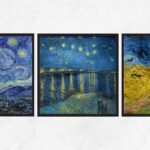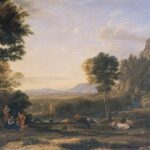

Have you ever wondered, how many different art forms in painting are there? This question opens up a fascinating exploration into the world of visual arts, where painting serves as a canvas for human creativity and expression. From ancient cave drawings to cutting-edge digital manipulations, painting encompasses an astonishing variety of styles, techniques, and mediums. In this article, we’ll delve into the diversity of painting art forms, revealing that there isn’t a fixed number – instead, it’s an ever-evolving spectrum influenced by culture, technology, and innovation. As we journey through this topic, you’ll discover how painting continues to adapt and multiply its forms, offering endless possibilities for artists and enthusiasts alike.
Introduction: Exploring the Diverse World of Painting
Painting, as an art form, has been a cornerstone of human expression for millennia, evolving from simple prehistoric markings on cave walls to sophisticated digital renderings that blend reality with imagination. This medium allows artists to convey emotions, stories, and ideas through color, texture, and composition, making it one of the most versatile tools in the creative arsenal. When we ask ourselves, how many different art forms in painting are there, we enter a realm where the answer isn’t straightforward; it’s a dynamic collection that grows with each new movement and technological advancement. Traditional techniques like oil on canvas share space with contemporary experiments in spray paint and augmented reality, highlighting the boundless nature of this art.
Beyond mere numbers, the diversity in painting art forms reflects societal shifts, personal innovations, and cultural exchanges that have shaped history. For instance, the Renaissance brought forth techniques like chiaroscuro and sfumato, while the 20th century introduced abstract expressionism and pop art, each adding layers to the question of how many different art forms in painting are there. This introduction sets the stage for a deeper dive, encouraging readers to appreciate painting not as a static field, but as a living, breathing entity with countless manifestations. As we proceed, we’ll uncover how these forms intersect and diverge, providing a comprehensive view that goes far beyond basic counts.
Traditional Painting Styles: A Foundation of Artistic Expression
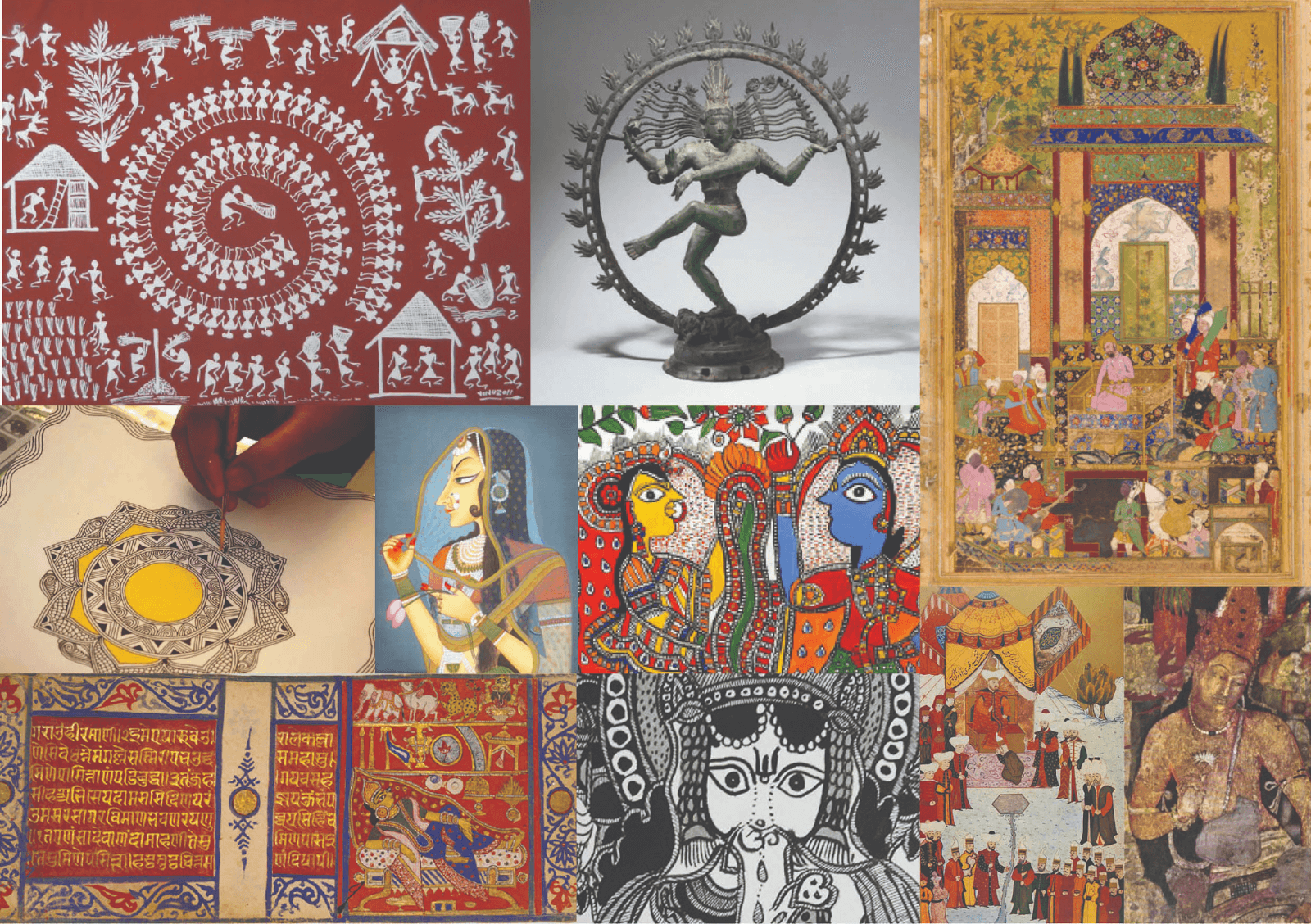
Traditional painting styles form the bedrock of artistic history, drawing from centuries of established techniques that emphasize skill, patience, and mastery of materials. These styles, such as oil painting, watercolor, and fresco, have roots in ancient civilizations like Egypt and Greece, where pigments derived from natural sources were used to create enduring works. Oil painting, for example, emerged in the 15th century and allowed for intricate layering and blending, as seen in the works of Leonardo da Vinci and Rembrandt. Watercolor, with its transparent and fluid qualities, offers a different challenge, demanding precision and quick decision-making to capture light and atmosphere, as evident in the landscapes of J.M.W. Turner. When pondering how many different art forms in painting are there, traditional styles alone present a rich tapestry, with sub-variants like tempera and encaustic adding to the count, each requiring unique preparation and application methods that reflect the artist’s intent and the era’s technological limits.
Delving deeper, these traditional forms aren’t just techniques; they embody cultural narratives and philosophical underpinnings that have influenced global art. In Asia, for instance, ink wash painting in China and Japan emphasizes minimalism and harmony with nature, using brushstrokes to evoke profound simplicity, as in the works of Sesshū Tōyō. This contrasts with the detailed realism of European masters, showcasing how geography and history diversify painting’s forms. The evolution from these foundations has led to hybrid approaches, where artists blend oil with acrylic for enhanced durability, illustrating that how many different art forms in painting are there is continually expanding. By studying these styles, we gain insight into the human condition, from the spiritual depth of medieval iconography to the humanistic flair of the Baroque period, making traditional painting a timeless wellspring of inspiration.


Modern and Contemporary Painting Techniques: Innovation and Experimentation
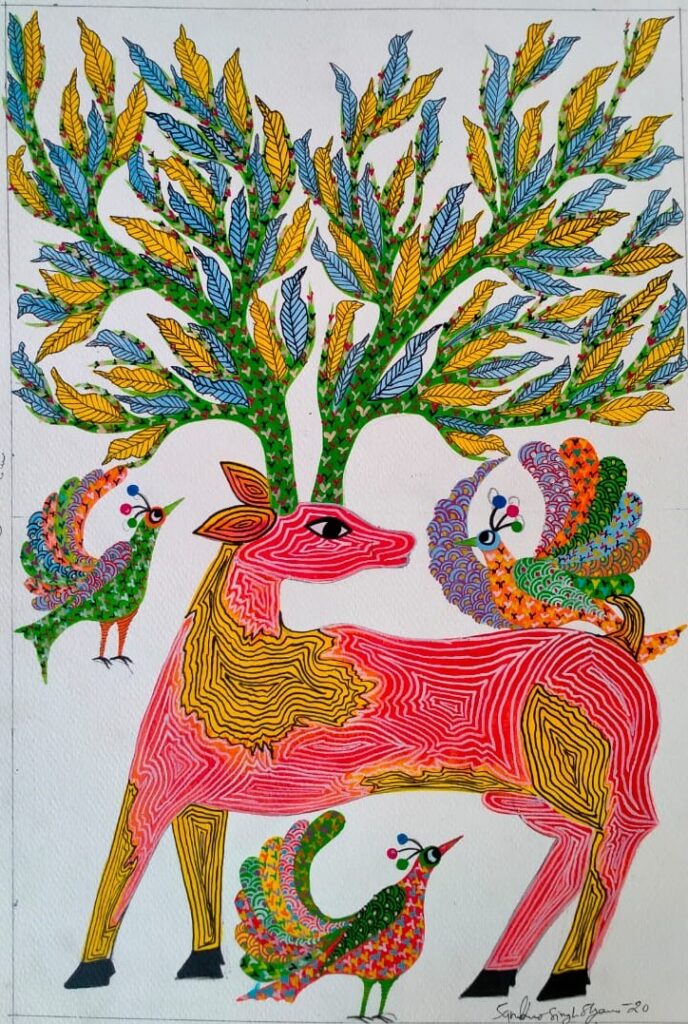
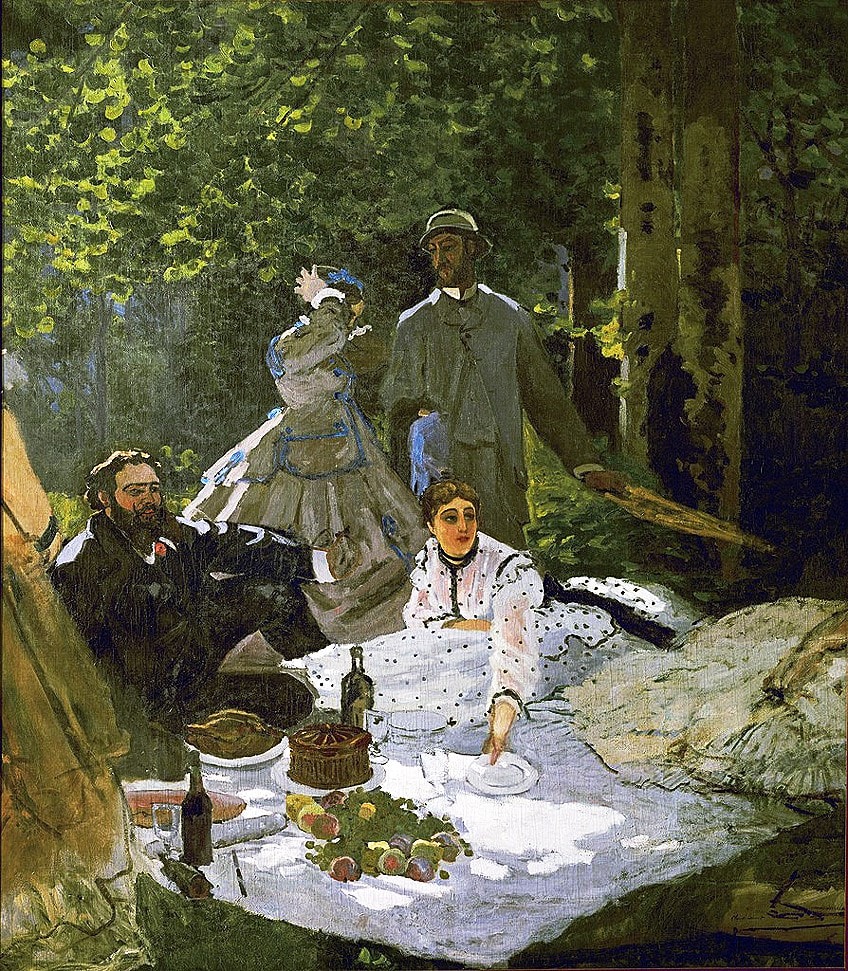
Modern and contemporary painting techniques mark a radical departure from tradition, embracing innovation that challenges conventional boundaries and redefines what painting can be. Emerging in the late 19th century with movements like Impressionism, which prioritized light and color over meticulous detail – as in Claude Monet’s series of water lilies – these techniques utilize quick, visible brushstrokes and unconventional canvases. By the mid-20th century, Abstract Expressionism, led by artists like Jackson Pollock, introduced action painting, where the physical act of creation becomes part of the artwork, dripping and splattering paint to convey raw emotion. This era’s experimentation answers how many different art forms in painting are there by multiplying options through the incorporation of photography, collage, and even industrial materials, turning painting into a multidisciplinary endeavor.
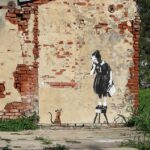
In contemporary settings, techniques have evolved further with digital tools and sustainable practices, reflecting a world influenced by globalization and technology. Artists like Banksy employ stenciling and urban graffiti to comment on society, while others, such as Jenny Saville, use thick impasto in figurative work to explore identity and the body. This progression highlights that how many different art forms in painting are there isn’t limited to physical methods; digital painting software like Adobe Photoshop allows for limitless manipulation, blurring the lines between traditional and virtual realms. The ongoing innovation ensures painting remains relevant, adapting to issues like environmentalism through eco-friendly pigments, and fostering a dialogue that connects past techniques with future possibilities, enriching the art world’s vibrant landscape.
Abstract Painting: Non-Representational Art and its Forms
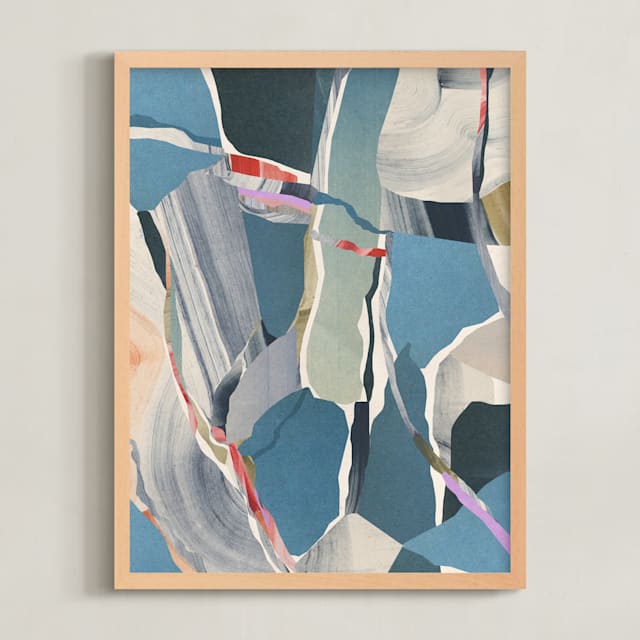
Abstract painting liberates artists from the need to depict recognizable subjects, focusing instead on shapes, colors, and forms to evoke emotions and ideas in non-representational ways. This genre, pioneered by Wassily Kandinsky in the early 20th century, uses elements like geometric patterns in Suprematism or expressive splashes in Fauvism to explore the subconscious, as seen in Kandinsky’s “Composition VII.” Forms within abstract painting vary widely, from the structured minimalism of Piet Mondrian’s grids to the chaotic energy of Franz Kline’s bold strokes, each sub-style offering a unique lens on abstraction. When considering how many different art forms in painting are there, abstract painting alone expands the count exponentially, with offshoots like Op Art, which plays with optical illusions, and Color Field painting, emphasizing vast areas of color for meditative effects.
Beyond its visual appeal, abstract painting serves as a profound tool for psychological and philosophical exploration, challenging viewers to interpret meaning personally. For example, the improvisational methods of Abstract Expressionists like Mark Rothko delve into existential themes, using layered colors to induce emotional responses without literal imagery. This depth illustrates that how many different art forms in painting are there grows with each artist’s interpretation, incorporating multimedia elements like in Anish Kapoor’s reflective surfaces that distort perception. Abstract painting’s evolution continues today, with digital abstracts and AI-generated art pushing boundaries, reminding us that its forms are as infinite as human imagination, fostering a deeper appreciation for the intangible aspects of creativity.
Beyond the Canvas: Mixed Media and Alternative Painting Approaches
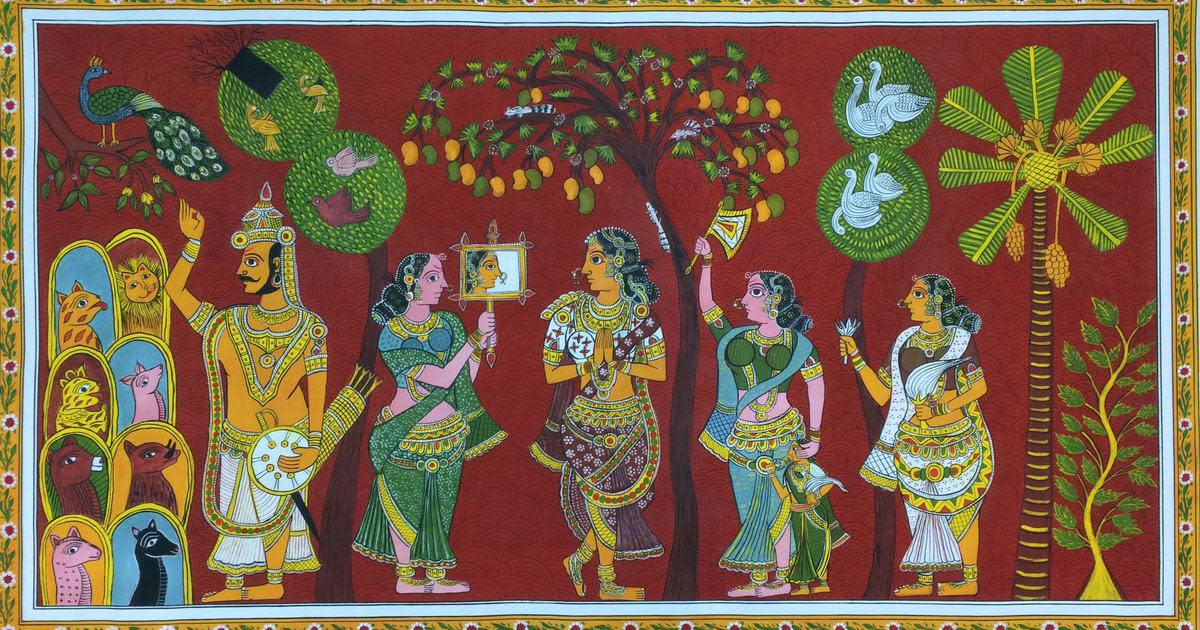
Beyond the traditional canvas, mixed media and alternative painting approaches integrate diverse materials and methods, creating hybrid art forms that defy categorization. This evolution began with early 20th-century Cubists like Pablo Picasso, who incorporated newspaper clippings and fabric into their works, but has since expanded to include everyday objects, as in the assemblages of Robert Rauschenberg. Techniques like encaustic mixed with photography or spray paint on urban walls offer new dimensions, allowing artists to address contemporary issues such as consumerism and environmental degradation. In exploring how many different art forms in painting are there, these approaches reveal an expansive field, where body painting, land art, and even virtual reality installations count as painting extensions, each blending tactile and conceptual elements for immersive experiences.
These alternative methods not only innovate but also democratize art, making it accessible beyond elite circles. Street artists like Shepard Fairey use wheatpaste and stencils on public surfaces to spark social commentary, while digital platforms enable global collaborations in virtual painting spaces. This progression underscores that how many different art forms in painting are there is amplified by technology, with 3D printing and augmented reality adding layers of interactivity. By venturing beyond the canvas, artists challenge perceptions of permanence and ownership, creating ephemeral works that encourage viewer participation, thus enriching the narrative of painting as a fluid, adaptable art form in our modern world.

Conclusion: Appreciating the Rich Tapestry of Painting Art Forms
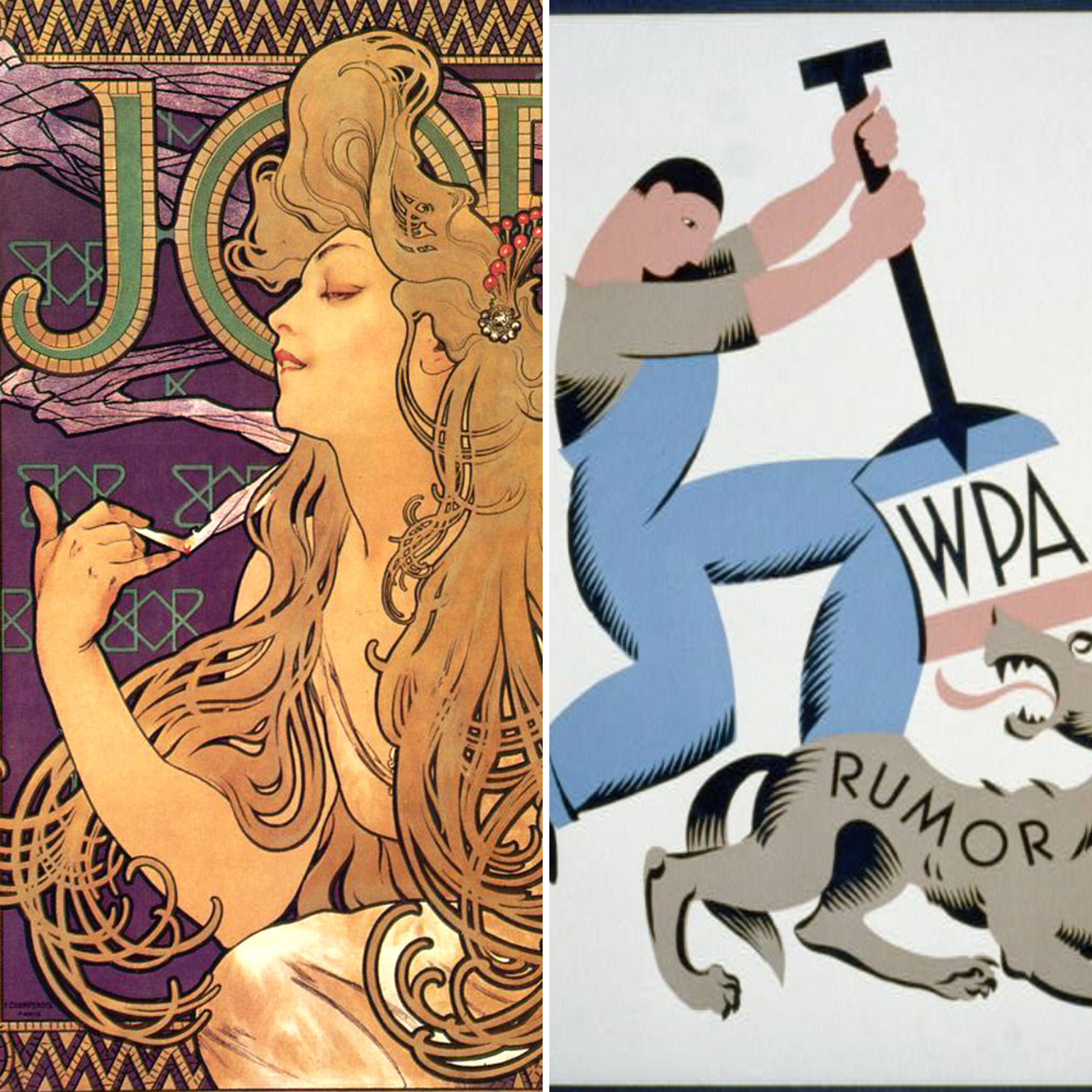
In reflecting on the vast array of painting art forms, from the foundational traditional styles to the innovative contemporary techniques, it’s clear that the question of how many different art forms in painting there are defies a simple answer, as the field continually evolves with human ingenuity. We’ve journeyed through the historical depths of oil and watercolor, the bold experiments of abstract expressionism, and the boundary-pushing realms of mixed media, each contributing to a multifaceted legacy that mirrors cultural and technological shifts. This exploration highlights painting’s enduring appeal as a medium for expression, innovation, and connection, urging us to appreciate its infinite variations and the stories they tell about our world.