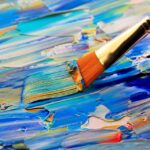

Oil painting, a cornerstone of visual arts, represents a technique where pigments are mixed with a drying oil, such as linseed oil, to create enduring and vibrant artworks. What is oil painting in art? It is essentially a method that allows artists to achieve rich colors, subtle blending, and intricate details, making it one of the most versatile and expressive mediums in the history of art. This form has evolved from its early uses in the Renaissance to modern masterpieces, captivating audiences with its depth and luminosity.
Introduction to Oil Painting: Definition and Historical Context
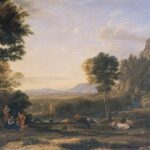
Oil painting, at its core, is an artistic technique that involves suspending pigments in a drying oil medium, typically linseed or poppy seed oil, to produce images on a canvas or other surfaces. This method, what is oil painting in art, allows for a slow drying process, which gives artists the flexibility to layer colors, blend shades seamlessly, and create works that can last for centuries. Unlike watercolors or acrylics, oil paints offer a rich, buttery texture that can be manipulated with brushes, knives, or even fingers, resulting in everything from hyper-realistic portraits to abstract expressions. The technique’s origins trace back to ancient times, with early evidence found in cave paintings, but it truly flourished in the 15th century Europe when artists like Jan van Eyck revolutionized its use. Van Eyck’s meticulous application in works such as “The Arnolfini Portrait” demonstrated how oil paints could capture lifelike details and luminous effects, setting the stage for its dominance in Western art.
Historically, oil painting emerged as a transformative force during the Renaissance, marking a shift from the tempera and fresco methods of the Middle Ages. Artists began experimenting with oil mediums around the 13th century in Northern Europe, but it was the Flemish masters who perfected it, leading to the detailed and realistic styles that defined the era. This evolution not only enhanced technical capabilities but also influenced cultural perceptions of art, making it a vehicle for personal expression and societal commentary. Over time, oil painting spread across continents, adapting to various artistic movements like Baroque, Impressionism, and Modernism, each building on its foundational principles to push boundaries. Today, understanding what is oil painting in art involves appreciating its role in documenting human history, from religious iconography to contemporary social critiques, underscoring its enduring appeal.
The Unique Properties of Oil Paint: Composition and Characteristics
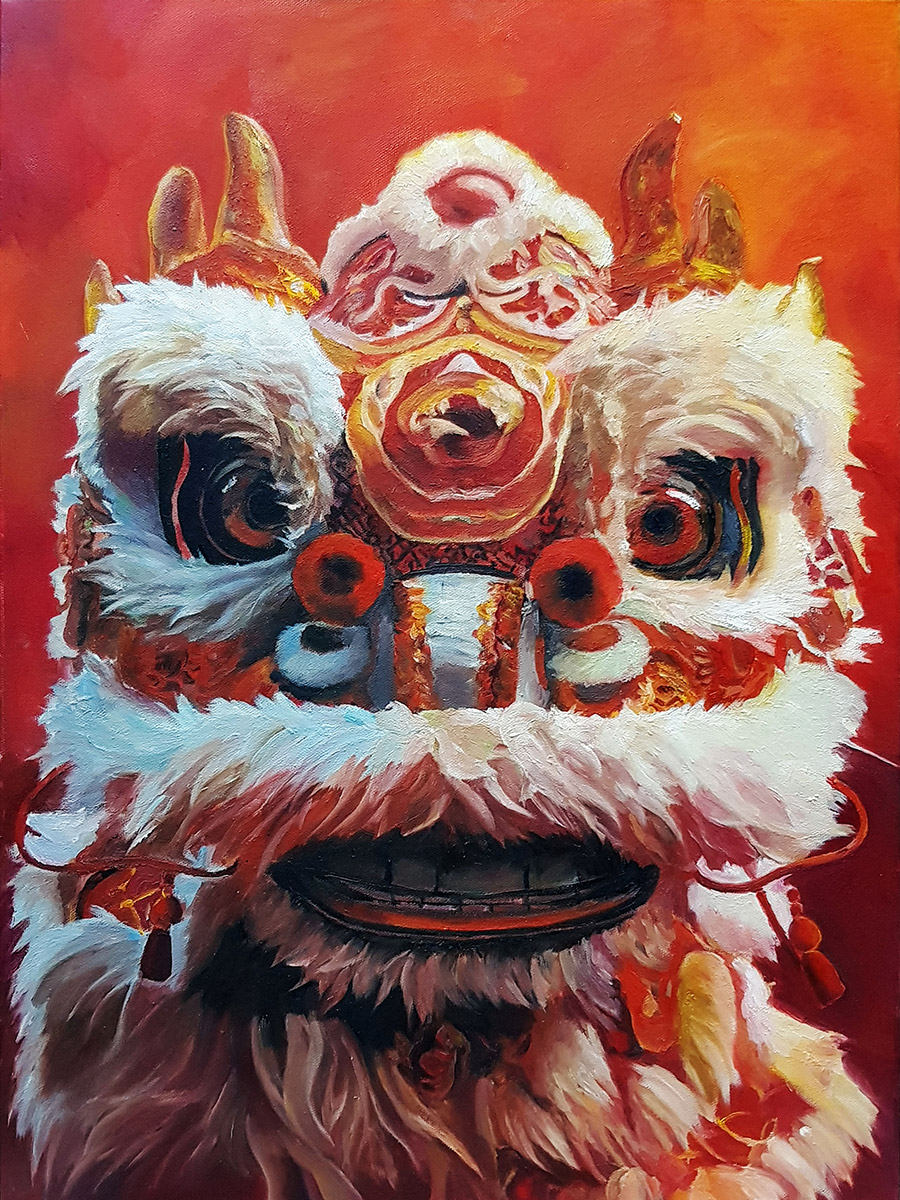
Oil paint is fundamentally composed of pigments ground into a paste with a drying oil, such as linseed oil, which acts as the binder to hold the colors together. This composition is what makes what is oil painting in art so distinctive, as the oil not only provides a medium for the pigments but also allows for a wide range of viscosities, from thin washes to thick impasto strokes. Pigments themselves can be derived from natural sources like minerals or synthetic ones, each contributing to the paint’s opacity, hue, and longevity. Additives like driers or solvents can be mixed in to alter drying times and consistency, giving artists precise control over their medium. This flexibility is key to oil painting’s popularity, enabling everything from delicate glazing to bold, textured applications that add depth and dimension to a canvas.
One of the most celebrated characteristics of oil paint is its slow drying time, which can range from days to weeks, allowing artists to work on a piece over extended periods and make adjustments without the paint setting prematurely. This property, central to what is oil painting in art, facilitates techniques like wet-on-wet blending, where colors merge smoothly on the surface, creating gradients and soft transitions that are hard to achieve with other media. Additionally, oil paints are known for their exceptional lightfastness and resistance to fading, ensuring that artworks retain their vibrancy for generations. The medium’s ability to build layers—through processes like underpainting and overpainting—also contributes to its richness, as each layer can add complexity, from subtle shadows to glowing highlights. These attributes have made oil painting a preferred choice for artists seeking to convey emotion, realism, and innovation in their work.


Essential Materials and Tools for Oil Painting: A Comprehensive Guide
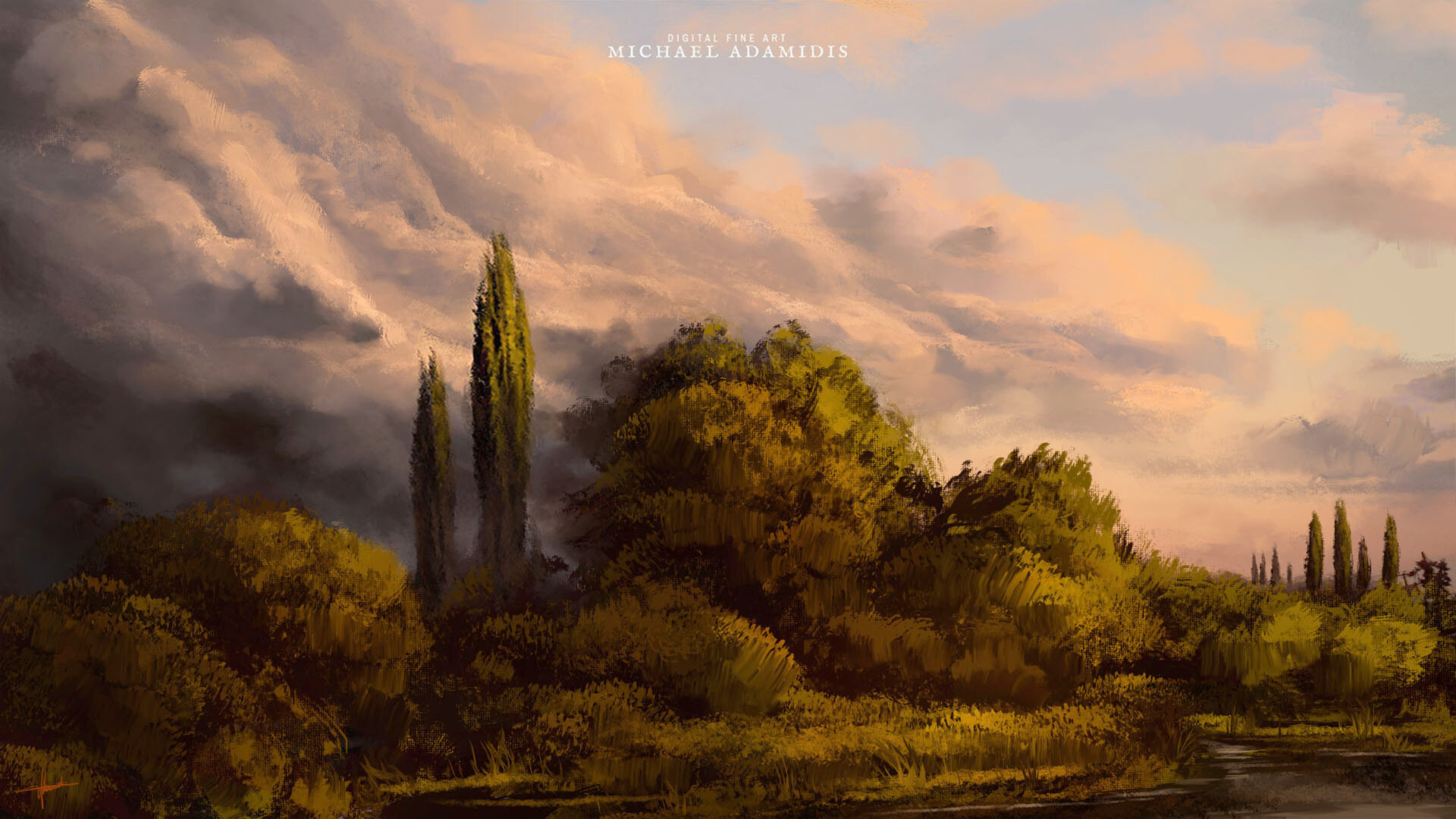
To embark on oil painting, artists need a solid foundation of materials, starting with high-quality oil paints available in tubes or pans, which contain the pigment-oil mixture essential for what is oil painting in art. A basic palette might include primary colors like cadmium red, ultramarine blue, and titanium white, along with mediums such as linseed oil to thin the paint or turpentine for cleaning brushes. Surfaces are equally important; canvases primed with gesso provide a smooth, absorbent base, while wooden panels offer rigidity for detailed work. Other essentials include easels for holding the canvas at an optimal angle, palettes for mixing colors, and rags or paper towels for wiping excess paint. Selecting the right materials involves considering factors like lightfastness and toxicity, ensuring that beginners build a safe and effective setup for their artistic endeavors.
Beyond the basics, tools play a crucial role in mastering what is oil painting in art, with brushes being the most versatile instruments. Sable or synthetic brushes in various shapes—filberts for blending, rounds for details—allow for precise control and varied effects. Palette knives are indispensable for applying thick paint or creating textured impasto, while mediums like alkyds can speed up drying for those working in layers. Additionally, items like sketchbooks for preliminary drawings, varnish for protecting finished pieces, and even modern tools like airbrushes for fine spraying can enhance the process. A comprehensive guide to these tools emphasizes organization and experimentation, encouraging artists to test different combinations to discover their unique style, whether they’re aiming for photorealism or abstract expression.

Oil Painting Techniques: From Underpainting to Glazing
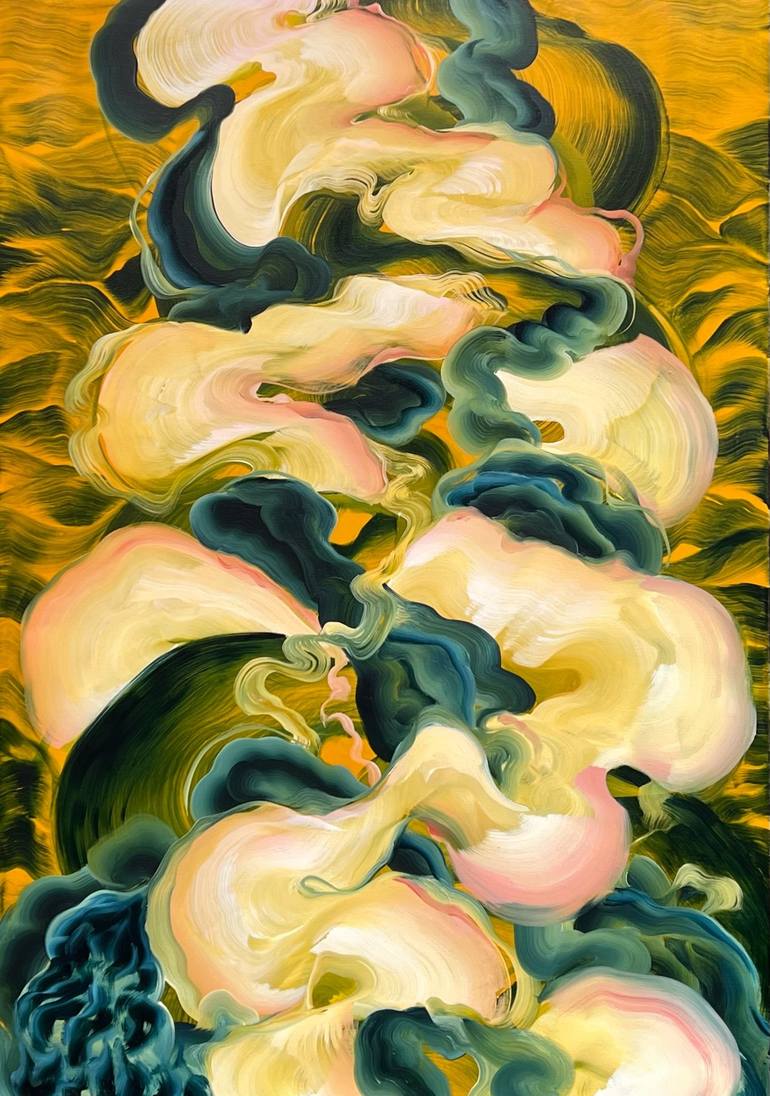
Underpainting serves as the foundational step in oil painting, involving the application of a monochromatic layer to establish composition and values before adding color. This technique, integral to what is oil painting in art, uses thinned paints, often in earth tones like burnt umber, to block in shapes and shadows, creating a roadmap for the final image. Artists might employ methods like grisaille, which uses shades of gray, or verdaccio, with green undertones, to build contrast and depth. This initial layer not only speeds up the drying process for subsequent coats but also enhances the luminosity of colors applied on top, allowing for greater control over the painting’s overall harmony.
Glazing, on the other hand, is a advanced technique where transparent layers of color are applied over dried underpaintings to achieve depth and vibrancy. In the context of what is oil painting in art, glazing involves mixing paints with a glazing medium to create sheer, luminous effects that can mimic the play of light on surfaces, such as the glow of skin or the sheen of fabric. This method builds upon the underpainting by adding richness layer by layer, with each glaze modifying the tones below it. Techniques like scumbling—lightly brushing opaque paint over a glaze—or wet-in-wet applications further expand possibilities, enabling artists to create complex atmospheres and emotional nuances in their works.
Notable Oil Painters and Masterpieces: Exploring Artistic Evolution
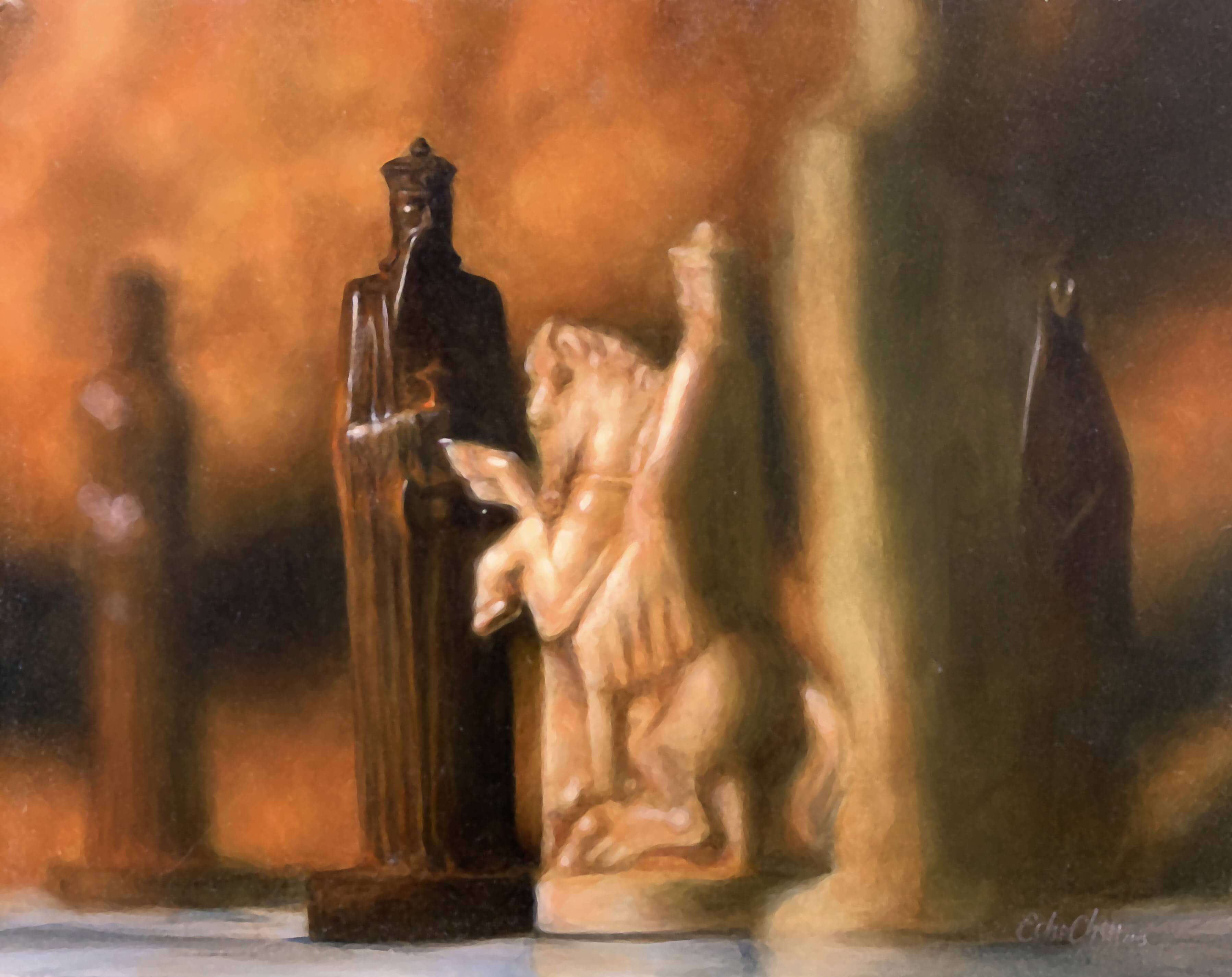
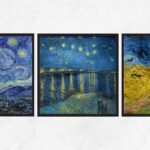
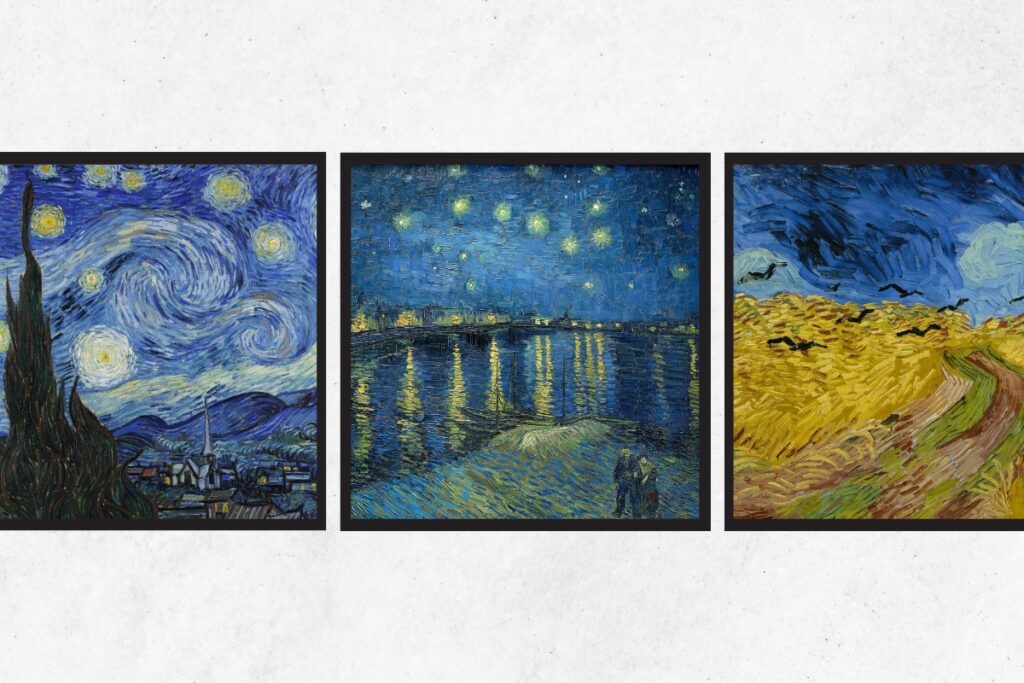
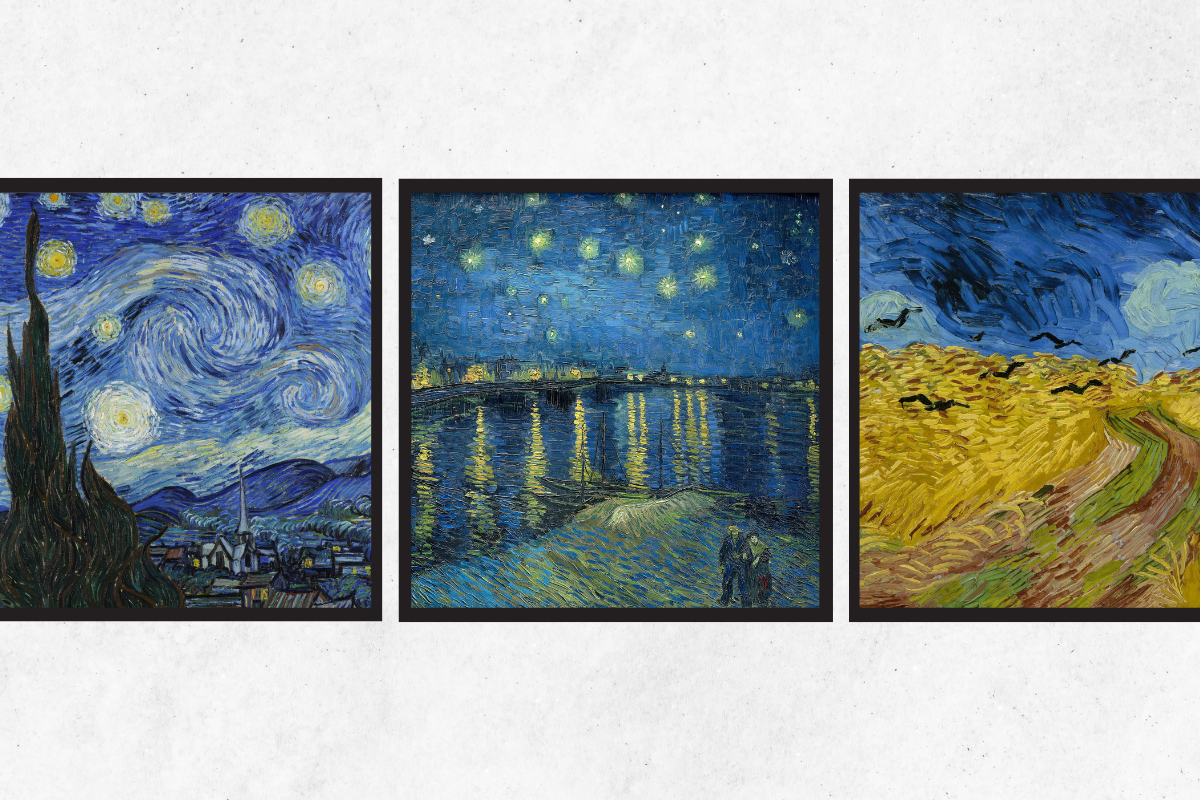
Throughout history, figures like Rembrandt van Rijn have exemplified the pinnacle of oil painting, using what is oil painting in art to capture dramatic light and shadow in masterpieces such as “The Night Watch.” Rembrandt’s innovative use of impasto and glazing techniques brought a three-dimensional quality to his portraits, reflecting the emotional depth of his subjects and influencing generations of artists. Another icon, Vincent van Gogh, pushed the boundaries with his expressive brushstrokes in works like “Starry Night,” where swirling oils conveyed turmoil and beauty, showcasing how oil painting could transcend realism into pure emotion. These painters, along with Leonardo da Vinci’s “Mona Lisa,” demonstrate the medium’s evolution from meticulous detail to bold innovation, highlighting its role in artistic revolutions.
The evolution of oil painting is further explored through artists like Claude Monet, whose Impressionist works, such as “Water Lilies,” utilized loose, vibrant strokes to capture fleeting light. This shift from the structured compositions of the Renaissance to the spontaneous energy of modernism illustrates what is oil painting in art as a dynamic force in cultural expression. Masterpieces from these eras not only reflect technological advancements, like the introduction of new pigments, but also societal changes, with artists like Frida Kahlo using oil to convey personal narratives in paintings like “The Two Fridas.” By examining these works, we see how oil painting has adapted to convey human experiences, from the grandeur of Baroque to the introspection of contemporary art, cementing its legacy as a timeless medium.
Contemporary Oil Painting: Trends and Future Directions
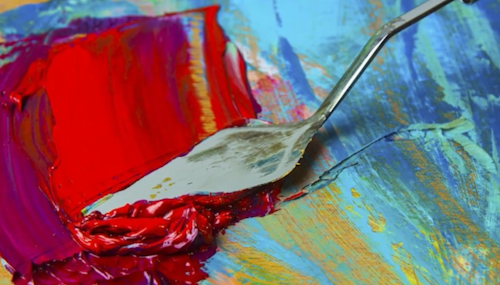
In today’s art world, contemporary oil painting embraces digital influences, with artists blending traditional techniques of what is oil painting in art with modern tools like projectors for precise underdrawings. Trends include mixed media approaches, where oils are combined with acrylics or resins to create textured, multi-layered pieces that challenge conventional boundaries. Artists like Kehinde Wiley are revitalizing the medium by incorporating pop culture and social themes, as seen in his vibrant portraits that reimagine historical figures with contemporary flair. This fusion of old and new keeps oil painting relevant, allowing for explorations in sustainability, such as using eco-friendly pigments, and pushing the envelope in gallery and digital spaces.
Looking ahead, the future of oil painting points towards greater integration with technology, including virtual reality for immersive experiences that enhance what is oil painting in art. Emerging trends might involve AI-assisted color mixing or sustainable practices to address environmental concerns, ensuring the medium’s longevity. Artists are experimenting with non-traditional surfaces, like metal or fabric, to expand its applications in public art and installations. As the art world evolves, oil painting’s adaptability suggests it will continue to inspire, adapting to global issues like cultural diversity and climate change, securing its place as a vital form of expression for future generations.
Conclusion
In summary, oil painting stands as a profound artistic technique, defined by its rich composition and historical significance, which has allowed creators to explore everything from intricate details to emotional depths. Through its unique properties, essential materials, and advanced techniques, artists have produced timeless masterpieces that reflect cultural evolution, as seen in the works of notable figures like Rembrandt and contemporary innovators. As trends shift towards sustainability and digital integration, the essence of what is oil painting in art continues to captivate, promising a vibrant future while honoring its storied past.