
What is still life painting in art? At its core, still life painting is a genre of art that focuses on inanimate objects, such as fruits, flowers, household items, or everyday artifacts, arranged in a composition to create a visually striking scene. This form of art has been a staple in the art world for centuries, allowing artists to explore themes of transience, beauty, and symbolism through meticulously detailed depictions. Unlike dynamic genres like portraiture or landscape, still life emphasizes the quiet elegance of static subjects, inviting viewers to contemplate the deeper meanings behind ordinary objects and their artistic representation.
Defining Still Life Painting: An Introduction

Still life painting, as a distinct genre, revolves around the careful arrangement and depiction of non-living subjects, which can range from a simple bowl of fruit to an elaborate tableau of antique objects. This art form originated in ancient times but gained prominence during the Renaissance, where it served as a vehicle for artists to demonstrate their technical prowess in rendering textures, light, and shadows. What is still life painting in art? It is essentially a celebration of the mundane transformed into the extraordinary, allowing creators to freeze a moment in time and infuse it with emotional or philosophical depth. By focusing on everyday items, artists like the Dutch masters of the 17th century used still life to explore themes of abundance, decay, and mortality, making it a profound commentary on human existence.
Beyond its technical aspects, still life painting plays a crucial role in art education and appreciation, as it teaches viewers about composition, color theory, and the interplay of light. This genre encourages artists to experiment with perspective and realism, often pushing the boundaries of what can be achieved with paint and canvas. For instance, contemporary interpretations might incorporate modern elements like digital devices or urban debris, expanding the traditional scope and reflecting societal changes. What makes still life enduring is its accessibility; anyone can relate to the objects portrayed, fostering a personal connection that transcends cultural barriers and invites repeated engagement.
Historical Evolution of Still Life Art
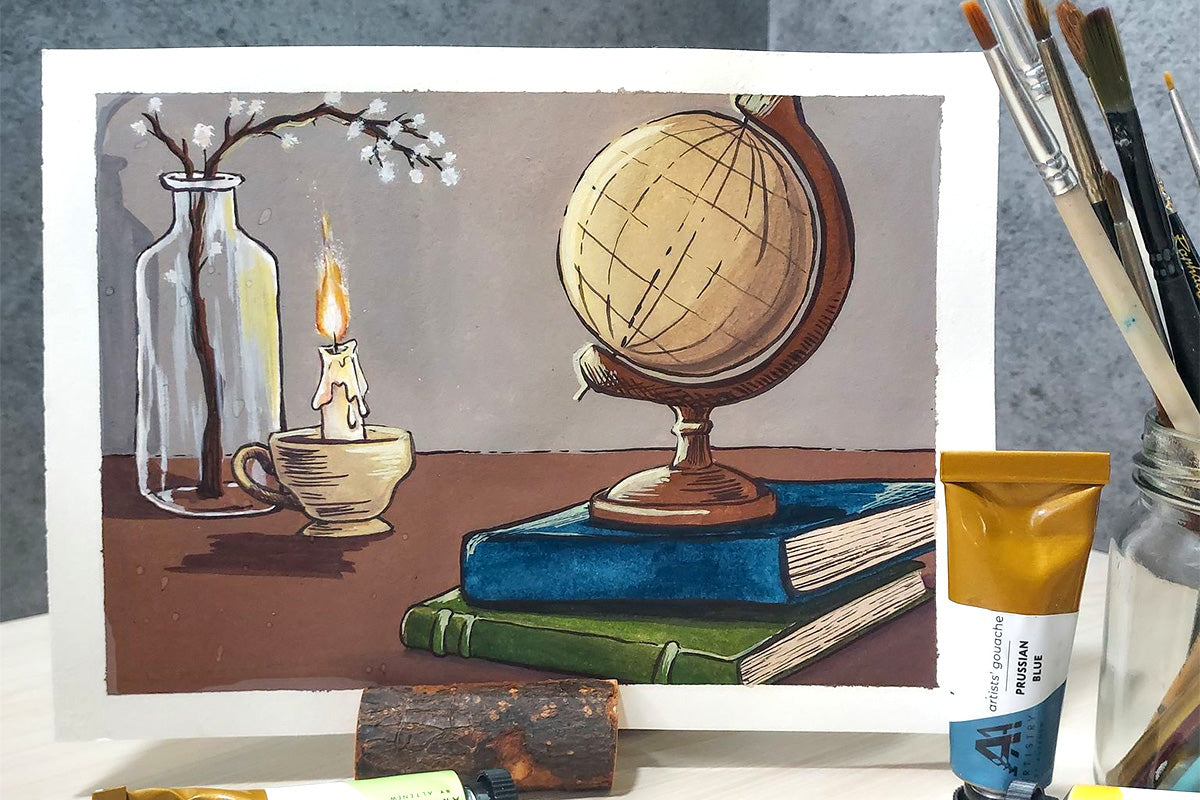
The history of still life art stretches back to ancient civilizations, where Egyptians depicted offerings of food and goods in tomb paintings, symbolizing life’s continuity beyond death. Fast-forward to the Greco-Roman era, and we see mosaics and frescoes featuring garlands of fruits and vases, which served both decorative and ritualistic purposes. What is still life painting in art evolved significantly during the Middle Ages, often appearing in religious contexts as symbolic elements in illuminated manuscripts, before bursting into prominence in the 16th century with the Northern Renaissance artists like Hans Memling. This period marked a shift towards secular subjects, driven by the rise of merchant classes in the Netherlands, who commissioned works that showcased wealth and prosperity through opulent displays of silverware and exotic imports.
As the genre progressed into the 18th and 19th centuries, still life became a playground for innovation, with artists like Jean-Baptiste-Siméon Chardin in France emphasizing intimate, domestic scenes that highlighted the beauty in simplicity. The Impressionists later challenged traditional forms by experimenting with light and color, as seen in Édouard Manet’s works, which blurred the lines between still life and everyday observation. In the modern era, movements like Cubism, led by Pablo Picasso, deconstructed objects into geometric forms, while Pop Art artists such as Andy Warhol transformed mundane items into cultural icons. This evolution underscores how still life has adapted to reflect broader artistic trends, continually redefining what is still life painting in art as a mirror to society’s values and technological advancements.


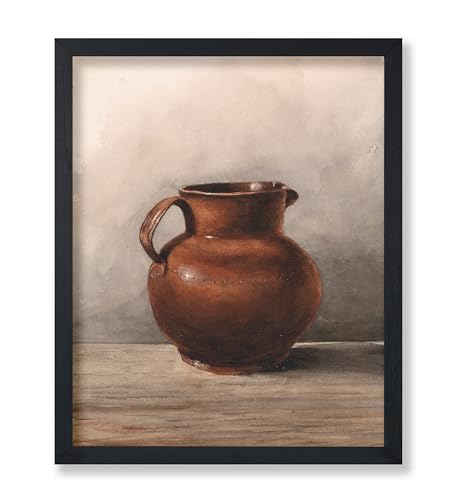

Key Characteristics and Common Subjects in Still Life
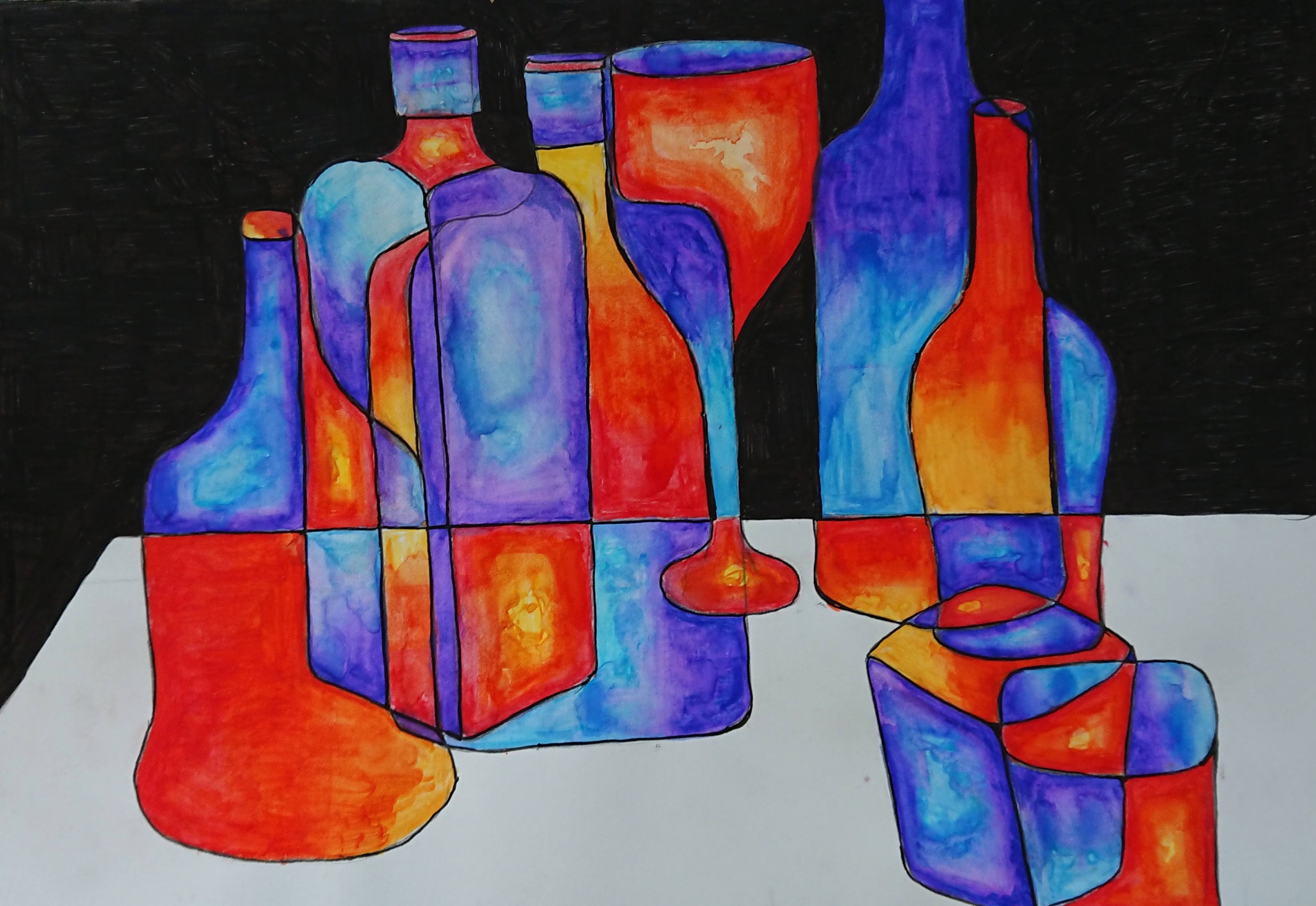
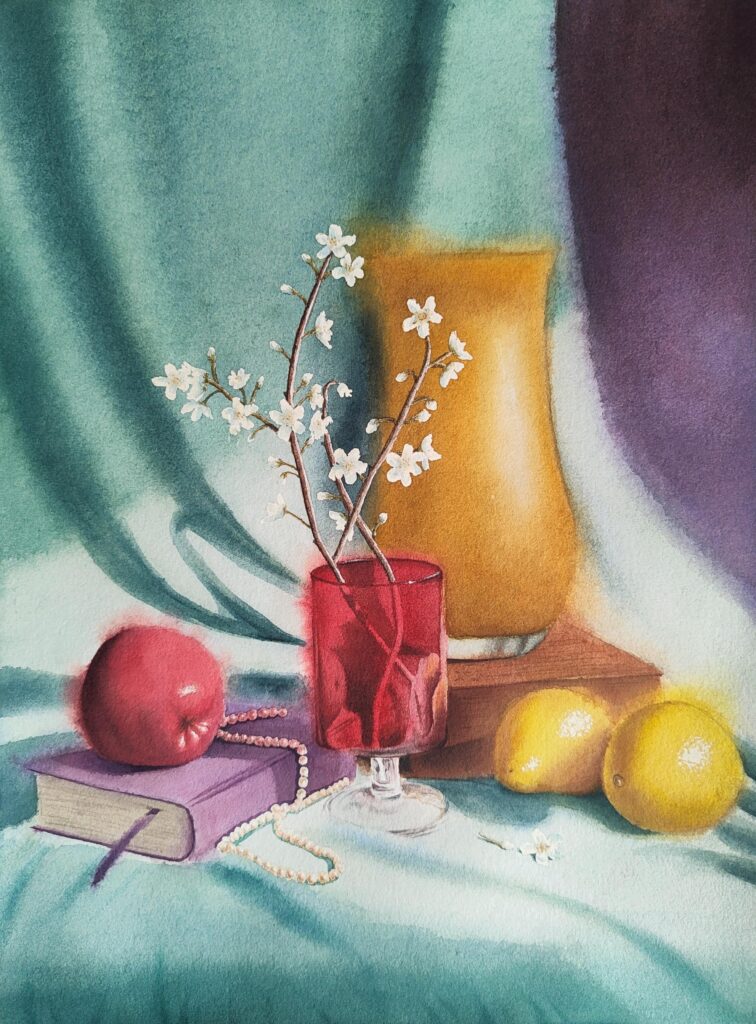
One of the defining characteristics of still life painting is its emphasis on composition, where artists meticulously arrange objects to create balance, contrast, and visual interest. Common subjects include perishable items like fruits and flowers, which symbolize the fleeting nature of life, alongside durable objects such as vases, books, or musical instruments that represent stability and culture. What is still life painting in art is often recognized by its hyper-realistic details, such as the play of light on a dew-covered apple or the intricate textures of fabric, which draw viewers into a contemplative state. Additionally, the genre frequently incorporates elements of symbolism, like a skull to denote mortality or a clock to signify the passage of time, making each piece a narrative waiting to be unraveled.
Variations in still life subjects reflect the artist’s intent and cultural context, from the lavish banquets of Baroque paintings that celebrated excess, to minimalist modern arrangements that focus on form and space. For example, in Asian art traditions, still life might feature tea sets or calligraphy tools, emphasizing harmony and Zen-like simplicity. This diversity ensures that still life remains relevant, allowing artists to address contemporary issues like consumerism or environmental decay through updated subjects such as plastic waste or electronic gadgets. Ultimately, what is still life painting in art lies in its ability to transform ordinary items into profound statements about human experience, blending aesthetic appeal with intellectual depth.


Techniques and Materials Used in Still Life Painting
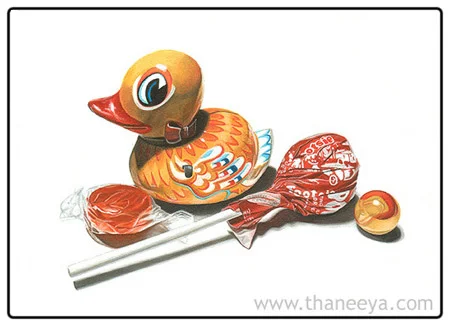
Artists employ a variety of techniques in still life painting to achieve realistic and evocative results, starting with the foundational use of oil paints on canvas, which allows for rich layering and subtle gradations of color. Techniques like chiaroscuro, popularized by masters such as Caravaggio, involve dramatic contrasts of light and shadow to give objects a three-dimensional quality, making a simple pear appear almost tangible. Watercolors offer a lighter, more fluid approach, ideal for capturing the delicate translucency of flower petals, while acrylics provide quick-drying versatility for modern artists experimenting with mixed media. What is still life painting in art not only demands precision in brushwork but also an understanding of perspective and proportion, often requiring preliminary sketches to map out compositions that guide the eye seamlessly across the canvas.
Materials have evolved alongside techniques, with traditional options like linen canvases and hog bristle brushes giving way to synthetic alternatives that enhance durability and ease of use. In contemporary practice, digital tools such as tablets and software like Adobe Photoshop allow artists to simulate still life setups virtually, blending traditional methods with technology for innovative effects. This fusion enables explorations of texture through impasto—applying thick paint for a sculptural feel—or glazing for luminous depth. By mastering these elements, artists ensure that what is still life painting in art continues to push creative boundaries, adapting to new materials while preserving the genre’s core emphasis on meticulous observation and technical mastery.
The Symbolic Meanings and Interpretations of Still Life
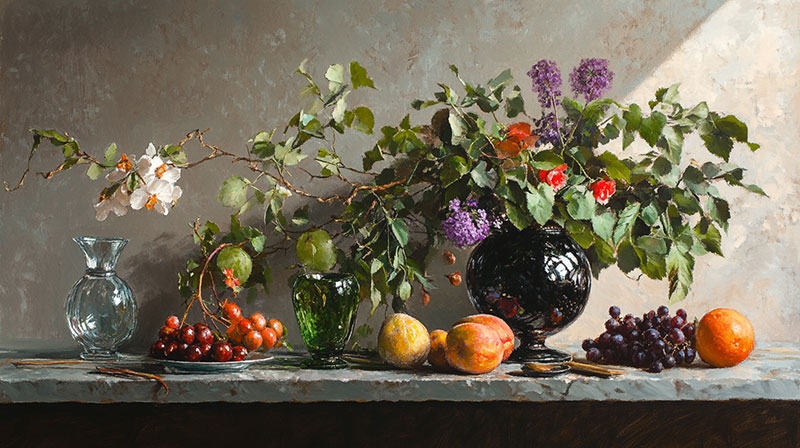
Still life paintings are rich with symbolism, where everyday objects carry layers of meaning, such as a wilting flower representing the inevitability of aging or a overflowing fruit basket signifying abundance and fertility. In the vanitas tradition, popular in 17th-century Europe, artists included skulls, hourglasses, and extinguished candles to remind viewers of life’s transience and the futility of earthly pleasures. What is still life painting in art becomes a profound tool for interpretation, allowing audiences to decode personal or cultural narratives; for instance, a lone apple might evoke biblical references to temptation, while in Eastern art, it could symbolize harmony and renewal. These symbolic elements encourage deeper engagement, transforming a static image into a dialogue about mortality, desire, and the human condition.
Interpretations of still life vary widely based on context, with modern artists using the genre to critique consumerism, as seen in the cluttered compositions of contemporary works that feature branded products. In feminist art, objects like domestic tools might represent women’s roles and struggles, offering a subversive take on traditional subjects. What is still life painting in art, therefore, serves as a canvas for social commentary, where the arrangement of items can reflect political ideologies or personal emotions, such as isolation in a sparse setup versus opulence in a crowded one. This interpretive flexibility ensures that still life remains a dynamic genre, continually evolving to mirror the complexities of the world around us.
Notable Still Life Artists and Masterpieces
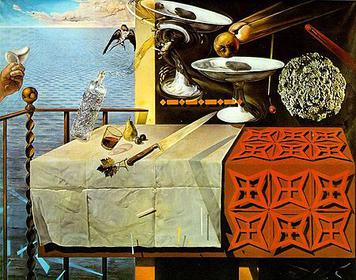
Among the most celebrated still life artists is the Dutch painter Pieter Claesz, whose works like “Still Life with Stoneware Jug” exemplify the genre’s focus on everyday realism with intricate details that capture the play of light on metal and glass. Caravaggio’s “Basket of Fruit” stands out for its dramatic illumination and naturalistic portrayal, influencing generations with its bold use of chiaroscuro to elevate ordinary subjects into masterpieces. What is still life painting in art is vividly illustrated in Paul Cézanne’s revolutionary pieces, such as his series of apples, which broke from traditional perspectives to explore form and color, paving the way for Cubism. These artists not only mastered technique but also infused their works with personal philosophy, making still life a platform for innovation and expression.
Masterpieces like Vincent van Gogh’s “Sunflowers” push the boundaries of still life by incorporating expressive brushstrokes and vibrant colors to convey emotion, while Georgia O’Keeffe’s enlarged flower depictions challenge viewers to see the erotic and monumental in the mundane. In more recent times, artists such as Wayne Thiebaud have reimagined still life through playful, candy-colored representations of desserts, critiquing American consumer culture. What is still life painting in art is epitomized in these works, which continue to inspire through their technical brilliance and thematic depth, ensuring the genre’s legacy in art history and its influence on emerging creators.
Conclusion
In summary, what is still life painting in art emerges as a multifaceted genre that not only captures the essence of inanimate objects but also evolves through history, from ancient symbols to modern interpretations, highlighting key characteristics, techniques, and symbolic meanings along the way. Through the works of notable artists and their masterpieces, we see how still life serves as a profound reflection of human experiences, blending technical mastery with emotional depth to explore themes of transience, culture, and innovation, ultimately solidifying its enduring place in the art world.