
What is landscape painting in art? At its core, landscape painting is a genre that captures the natural world, depicting scenes of mountains, rivers, forests, and skies with artistic flair. This form of art goes beyond mere representation, inviting viewers to immerse themselves in the beauty and tranquility of nature, often evoking emotions and reflections on humanity’s relationship with the environment. Originating from ancient traditions and evolving through centuries, what is landscape painting in art serves as a window to explore both the physical and metaphysical aspects of the world around us.
Defining Landscape Painting: An Introduction
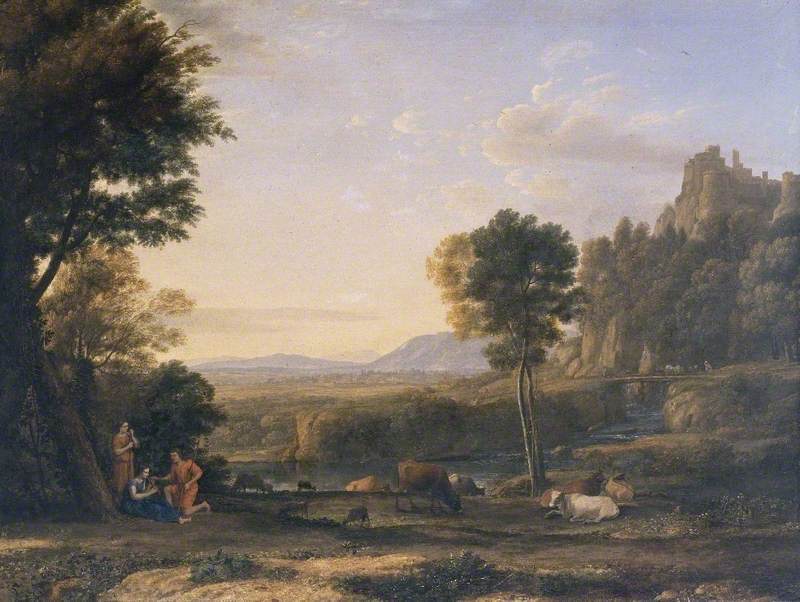
Landscape painting, a cornerstone of visual arts, fundamentally revolves around portraying outdoor scenes that emphasize the beauty of nature, from vast wilderness to serene countrysides. This genre not only replicates the physical elements like trees, water, and horizons but also infuses them with the artist’s personal interpretation, making each piece a unique narrative. What is landscape painting in art can be seen as a blend of observation and creativity, where artists use their skills to evoke moods, tell stories, or even comment on environmental issues. For instance, a simple depiction of a sunset over a lake might symbolize the passage of time or the fragility of life, drawing viewers into a deeper contemplation.
Beyond its aesthetic appeal, landscape painting plays a pivotal role in art history by challenging artists to master techniques that convey depth, light, and atmosphere. It encourages an emotional connection, allowing audiences to experience the serenity or drama of a scene as if they were present. This form of art has evolved from background elements in historical works to a standalone genre, highlighting how what is landscape painting in art has transformed into a powerful medium for expression. Through its development, it reflects cultural shifts, technological advancements in pigments, and even philosophical ideas about humanity’s place in the natural world, making it an enduring subject of study and admiration.
Historical Evolution of Landscape Art
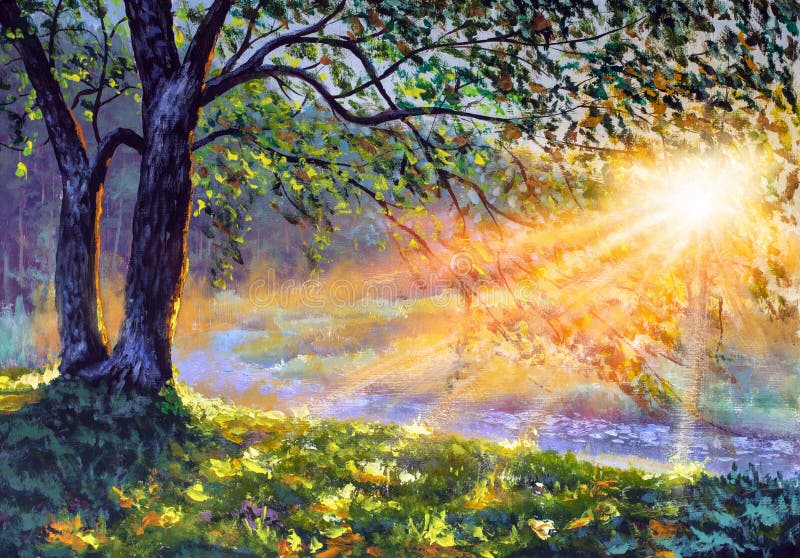
The history of landscape art stretches back to ancient civilizations, where it often served as a backdrop in larger narratives, such as in Egyptian tomb paintings or Greek pottery, but it truly blossomed in ancient China during the Tang Dynasty. Here, artists like Fan Kuan created monumental scrolls that depicted misty mountains and flowing rivers, symbolizing harmony between humans and nature, which laid the groundwork for what would become a dominant genre. As the Renaissance unfolded in Europe, figures like Leonardo da Vinci and Albrecht Dürer began to incorporate more realistic landscapes, using perspective to add depth and realism, marking a shift from symbolic to observational art. This evolution continued through the Dutch Golden Age, with masters like Jacob van Ruisdael capturing everyday scenes that reflected the era’s prosperity and exploration, demonstrating how what is landscape painting in art adapted to societal changes.
In the 19th century, landscape painting underwent a radical transformation with the Romantic movement, where artists such as J.M.W. Turner and Caspar David Friedrich used dramatic lighting and emotional intensity to convey the sublime power of nature, often evoking awe and introspection. This period paved the way for Impressionism, led by Claude Monet, who focused on the fleeting effects of light and color in outdoor settings, revolutionizing the genre with en plein air techniques. Fast-forward to the modern era, and we see abstract expressions in the works of Georgia O’Keeffe or contemporary digital landscapes, showing how what is landscape painting in art continues to evolve, influenced by industrialization, environmentalism, and global events. This ongoing progression highlights the genre’s resilience and its ability to mirror the complexities of human experience through visual storytelling.


Key Elements and Techniques in Landscape Painting
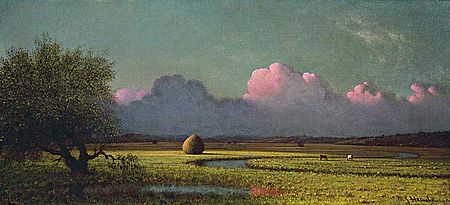
At the heart of landscape painting are key elements like composition, which involves arranging elements to guide the viewer’s eye, often using the rule of thirds to create balance and interest in a scene. Techniques such as atmospheric perspective help artists depict distance by making distant objects lighter and less detailed, adding a sense of depth and realism that draws viewers into the artwork. Color theory plays a crucial role, with artists blending hues to evoke specific moods—cool blues for tranquility or warm reds for passion—while texture, achieved through brushstrokes or impasto, adds tactile quality. What is landscape painting in art also relies on light and shadow to convey time of day, weather, and emotion, making these elements not just technical but expressive tools that elevate a painting from a mere image to a profound experience.
Advanced techniques, such as glazing and scumbling, allow artists to build layers of transparency and opacity, enhancing the luminosity and complexity of a landscape. For example, in oil painting, artists might use a limited palette to capture the subtle gradations of a sky at dawn, while watercolorists exploit the medium’s fluidity for ethereal effects. Beyond traditional methods, modern landscape painters incorporate digital tools or mixed media to experiment with new forms, like incorporating photography for hyper-realism or abstraction for conceptual depth. This exploration of techniques underscores what is landscape painting in art—a dynamic practice that demands both technical mastery and innovative thinking, enabling artists to push boundaries and create works that resonate on multiple levels.


Notable Landscape Artists and Their Contributions
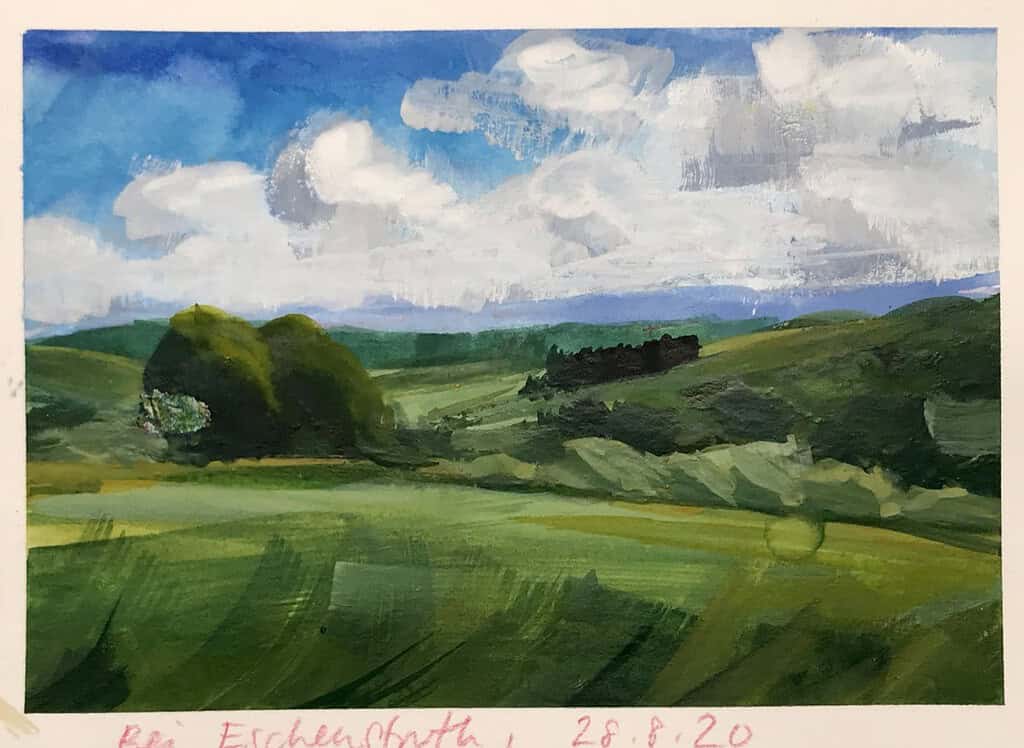
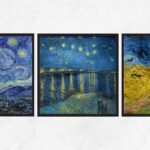
One of the most influential figures in landscape art is John Constable, whose meticulous studies of the English countryside, like “The Hay Wain,” brought everyday rural life to the forefront, emphasizing authenticity and emotional connection to nature. His use of vibrant colors and detailed skies influenced later generations, showing how what is landscape painting in art can capture the essence of a place and time. Another giant is Vincent van Gogh, whose swirling, expressive landscapes, such as “Wheatfield with Crows,” infused the genre with raw emotion and psychological depth, using bold strokes to convey inner turmoil amidst natural beauty. These artists not only advanced techniques but also challenged perceptions, making landscape painting a vehicle for personal expression and social commentary.
In more recent times, artists like Frida Kahlo incorporated landscape elements into her works to symbolize personal identity and cultural heritage, blending natural scenes with surreal elements. Meanwhile, Ansel Adams revolutionized landscape photography, which parallels painting traditions, by capturing the grandeur of American national parks with high-contrast black-and-white images that highlighted conservation themes. The contributions of these artists demonstrate what is landscape painting in art—a legacy of innovation where each painter builds on predecessors, from the atmospheric mastery of Turner to the minimalist approaches of contemporary artists like Agnes Martin. Their works continue to inspire, proving the genre’s capacity to evolve while remaining deeply rooted in observation and interpretation.

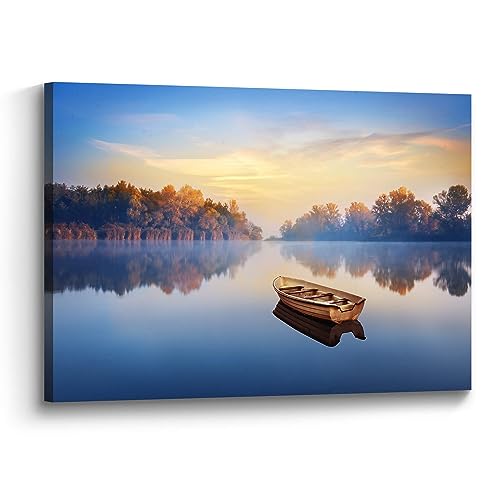
Different Styles and Subgenres within Landscape Painting
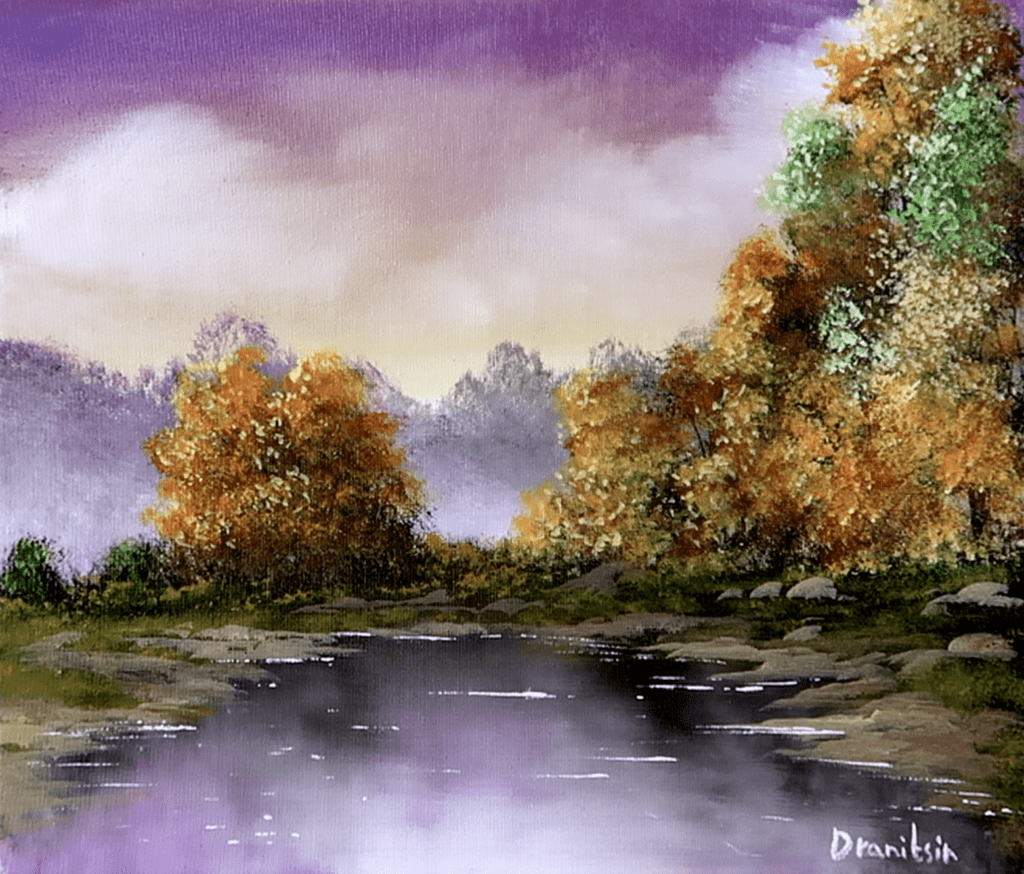
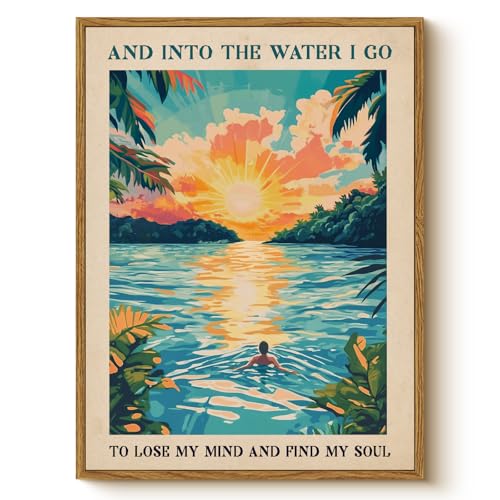
Landscape painting encompasses a variety of styles, from the precise realism of the Hudson River School, which depicted America’s wild frontiers with meticulous detail to promote national pride, to the loose, vibrant impressions of French Impressionists like Monet. Subgenres such as pastoral landscapes focus on idyllic rural scenes, evoking nostalgia and simplicity, while marine landscapes concentrate on seascapes, capturing the dynamic interplay of water and sky. Abstract landscapes, pioneered by artists like Wassily Kandinsky, strip away literal representations to explore color and form, allowing viewers to interpret the essence of nature in subjective ways. What is landscape painting in art shines through these styles, as each subgenre adapts to cultural contexts, from the romantic idealism of 18th-century Europe to the urban grit of modern cityscapes.
Further diversifying the genre are subgenres like aerial landscapes, which offer bird’s-eye views for a sense of vastness, and fantastical landscapes that blend reality with imagination, as seen in the works of Hieronymus Bosch. Environmental landscapes address contemporary issues, such as climate change, through depictions of polluted or restored areas, urging reflection on human impact. This breadth illustrates what is landscape painting in art—a flexible framework that accommodates historical, cultural, and technological shifts, from traditional oil on canvas to digital art, ensuring its relevance across eras and encouraging endless creativity.
The Enduring Significance of Landscape Painting in Art
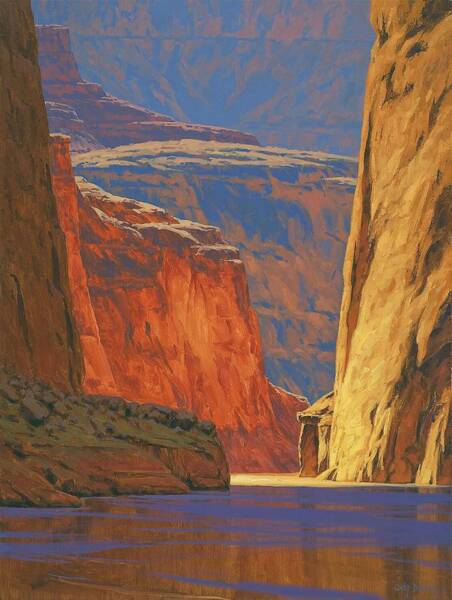
Landscape painting holds lasting importance as a mirror to environmental awareness, with modern works often highlighting issues like deforestation and climate change, urging society to appreciate and protect natural beauty. Its significance lies in its ability to foster a sense of place and belonging, connecting viewers to their roots and promoting mental well-being through visual escapism in an increasingly urbanized world. What is landscape painting in art continues to evolve, serving as a bridge between past and present, where artists use it to explore themes of identity, spirituality, and the human condition, making it a vital tool for cultural preservation and education.
Moreover, the genre’s enduring appeal is evident in its influence on other fields, from photography and film to environmental policy, where iconic landscapes inspire conservation efforts and tourism. By challenging artists to innovate with new materials and perspectives, what is landscape painting in art ensures its place in contemporary discourse, adapting to digital platforms and global audiences while maintaining its core essence of capturing the world’s wonders.
Conclusion
In summary, landscape painting, as explored through its definition, historical journey, key techniques, notable artists, diverse styles, and lasting significance, reveals itself as a profound and multifaceted genre in art. From ancient origins to modern innovations, it encapsulates the beauty of nature while reflecting human emotions and societal changes, with artists continually pushing boundaries to create meaningful works. This enduring form not only enriches our understanding of the world but also inspires ongoing appreciation and preservation of our natural environment.