
What is mural painting in art? At its core, mural painting is a captivating form of artistic expression that involves creating large-scale artworks directly on walls, ceilings, or other permanent surfaces. Unlike traditional canvas paintings, murals are designed to integrate seamlessly with their environment, often transforming public spaces into vibrant narratives of culture, history, and emotion. This art form has been a cornerstone of human creativity for centuries, allowing artists to convey powerful messages to wide audiences and engage communities in meaningful ways.
Defining Mural Painting: An Introduction to the Art Form
Mural painting, often hailed as what is mural painting in art, represents a dynamic intersection of artistry and architecture, where images and stories come alive on vast surfaces. This form goes beyond mere decoration; it’s a method of storytelling that embeds itself into the fabric of everyday life, turning ordinary walls into canvases for social commentary, historical reflection, and aesthetic innovation. From ancient cave dwellings to modern urban streets, murals have served as a bridge between the artist and the public, fostering a sense of shared identity and collective memory. The scale and permanence of murals demand a unique blend of skill and vision, making them not just artworks but enduring landmarks that evolve with their surroundings.
Delving deeper, what is mural painting in art can be understood as an adaptive practice that adapts to cultural contexts and technological advancements. Artists must consider factors like surface material, environmental conditions, and viewer interaction, which adds layers of complexity to the creative process. This art form encourages experimentation, blending traditional techniques with contemporary themes such as environmental activism or social justice. By examining murals, we see how they encapsulate the spirit of their time, offering insights into societal values and artistic evolution. Whether adorning a temple wall or a city subway, murals invite us to pause, reflect, and connect with the world in profound ways.
Historical Development and Evolution of Mural Art
The history of mural art traces back to prehistoric times, with early examples like the Lascaux cave paintings in France, which exemplify what is mural painting in art as a primal means of communication and ritual. These ancient works, dating to around 17,000 years ago, depicted hunting scenes and spiritual motifs, showing how murals served as a vital tool for early humans to record their experiences and beliefs. As civilizations advanced, murals evolved in ancient Egypt, Greece, and Rome, where they became integral to architecture, adorning palaces and temples with mythological tales and historical events. This period marked a shift toward more sophisticated techniques, influenced by cultural exchanges along trade routes, and highlighted murals’ role in propagating religious and political ideologies.
Over centuries, mural art continued to adapt, reaching new heights during the Renaissance with masterpieces like those in the Sistine Chapel by Michelangelo. This evolution reflects what is mural painting in art as a mirror of societal changes, from the feudal systems of medieval Europe to the revolutionary spirit of the 20th century. In Mexico, artists like Diego Rivera transformed murals into vehicles for social reform, addressing issues of inequality and indigenous rights. The movement spread globally, influenced by events such as the Industrial Revolution and World Wars, which prompted murals to become symbols of resilience and unity. Today, this historical progression underscores murals’ enduring ability to adapt and resonate across eras.


Techniques and Materials Utilized in Mural Creation
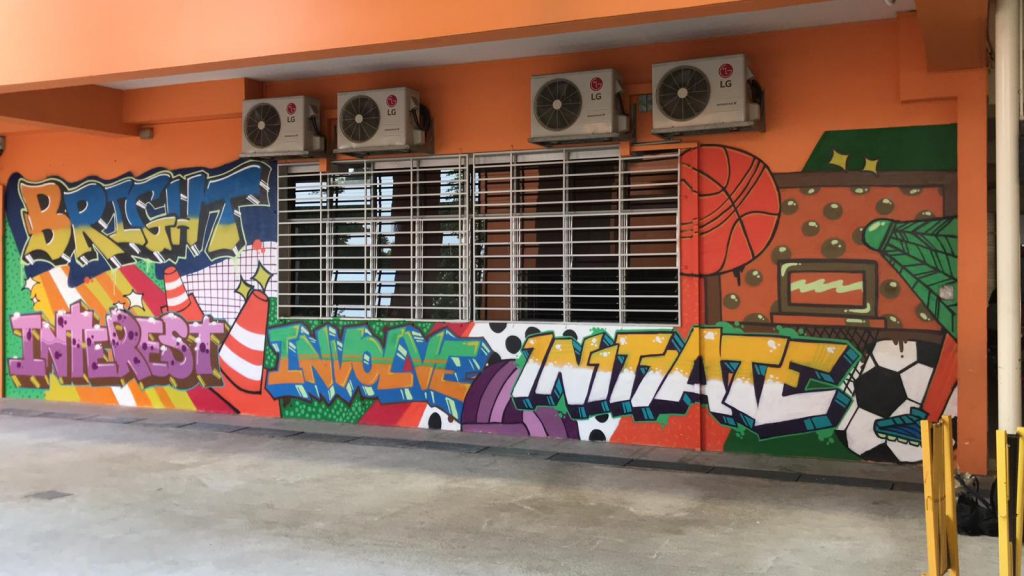
Creating a mural involves a diverse array of techniques that define what is mural painting in art as both a technical and artistic endeavor. Artists often begin with thorough planning, including sketching designs and selecting appropriate surfaces like plaster, concrete, or even digital projections. Traditional methods such as fresco painting, where pigments are applied to wet plaster, ensure longevity and vibrancy, while modern approaches incorporate acrylics or aerosols for outdoor urban settings. These techniques require precision and adaptability, as factors like weather, lighting, and audience flow can influence the final outcome. Moreover, tools like brushes, rollers, and projectors play crucial roles, allowing artists to scale their visions from small concepts to monumental installations.
Beyond the basics, materials in mural creation have evolved to enhance durability and expression, embodying what is mural painting in art as an innovative field. Early murals relied on natural pigments derived from minerals and plants, but contemporary artists now use weather-resistant paints and eco-friendly alternatives to combat urban pollution. Techniques such as trompe l’oeil create optical illusions, adding depth and interactivity, while digital tools like computer-aided design enable precise planning and virtual previews. This blend of old and new methods not only preserves the art’s heritage but also pushes boundaries, allowing for collaborations with architects and engineers. As a result, murals continue to thrive as accessible, impactful art forms that adapt to modern challenges.
Significant Examples of Mural Painting Throughout History
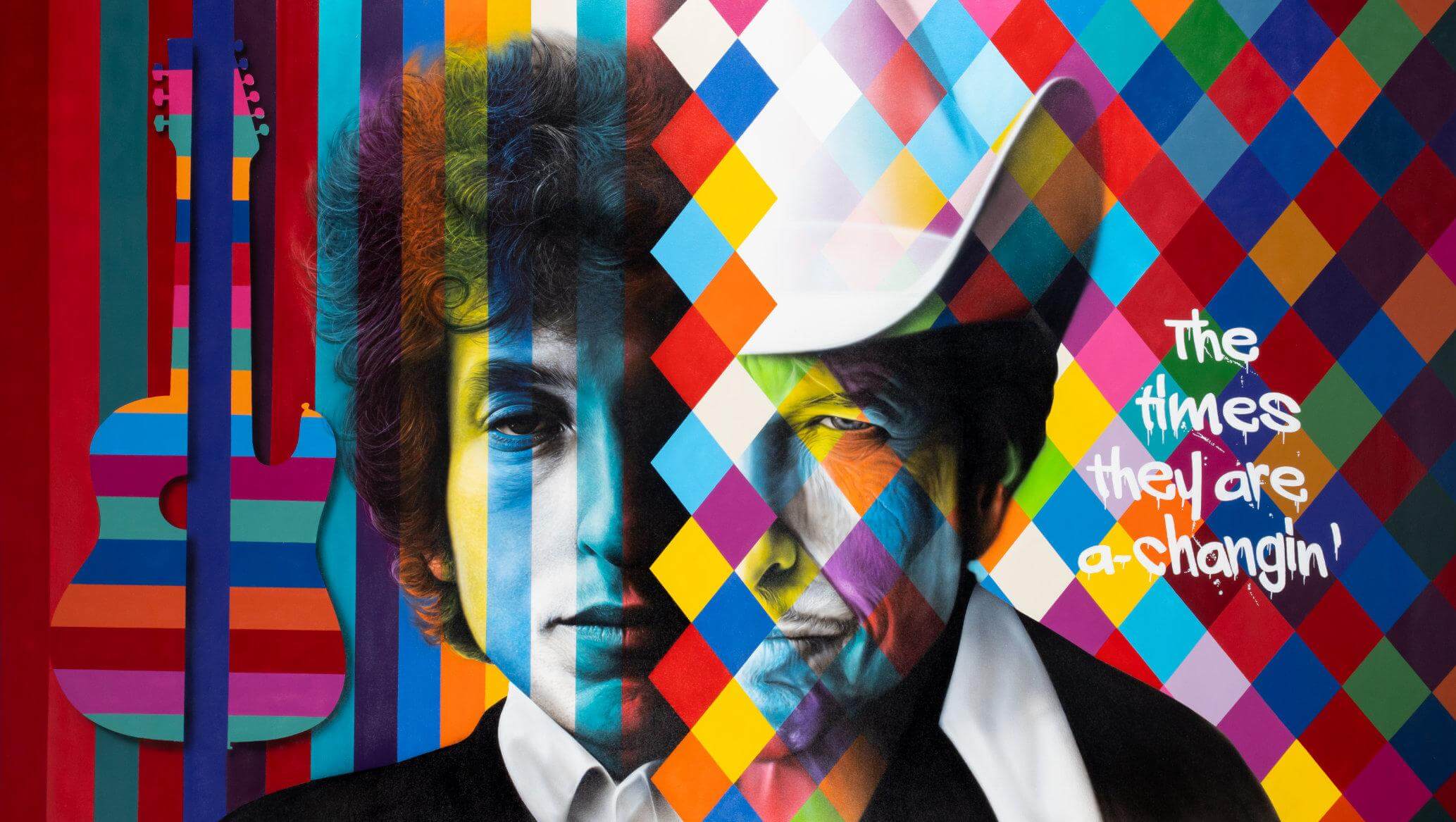
Throughout history, murals have provided profound examples that illustrate what is mural painting in art as a powerful narrative device. One standout is the Ajanta Caves in India, dating back to the 2nd century BCE, where intricate frescoes depict Buddhist tales with exquisite detail, blending spirituality and artistry. These works not only survived centuries but also influenced global mural traditions, showcasing how ancient civilizations used murals to educate and inspire. Another iconic example is the Aztec murals in Teotihuacan, Mexico, which feature symbolic representations of cosmology and daily life, demonstrating the art’s role in preserving cultural heritage amidst conquest and change. These historical murals remind us of their capacity to transcend time, offering windows into past societies.
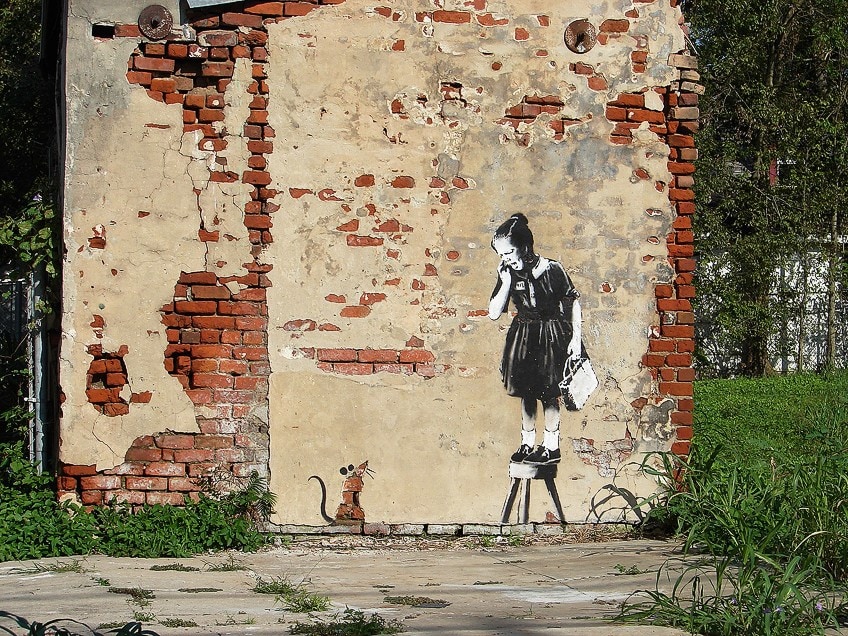
In more recent times, murals like those by the Mexican Muralists—such as David Alfaro Siqueiros’ “América Tropical”—exemplify what is mural painting in art as a tool for social activism. Painted in 1932, this piece critiqued imperialism and inequality, though it was later whitewashed, highlighting the controversies murals can provoke. Similarly, the Harlem Renaissance murals in the United States, including those by Aaron Douglas, captured the African American experience, fostering a sense of identity and resistance. From the vibrant street art of Banksy in modern London to the community-driven murals in South Africa’s townships, these examples underscore the art’s evolution. They continue to influence contemporary practices, proving murals’ lasting impact as agents of change and cultural expression.
The Societal and Cultural Significance of Murals
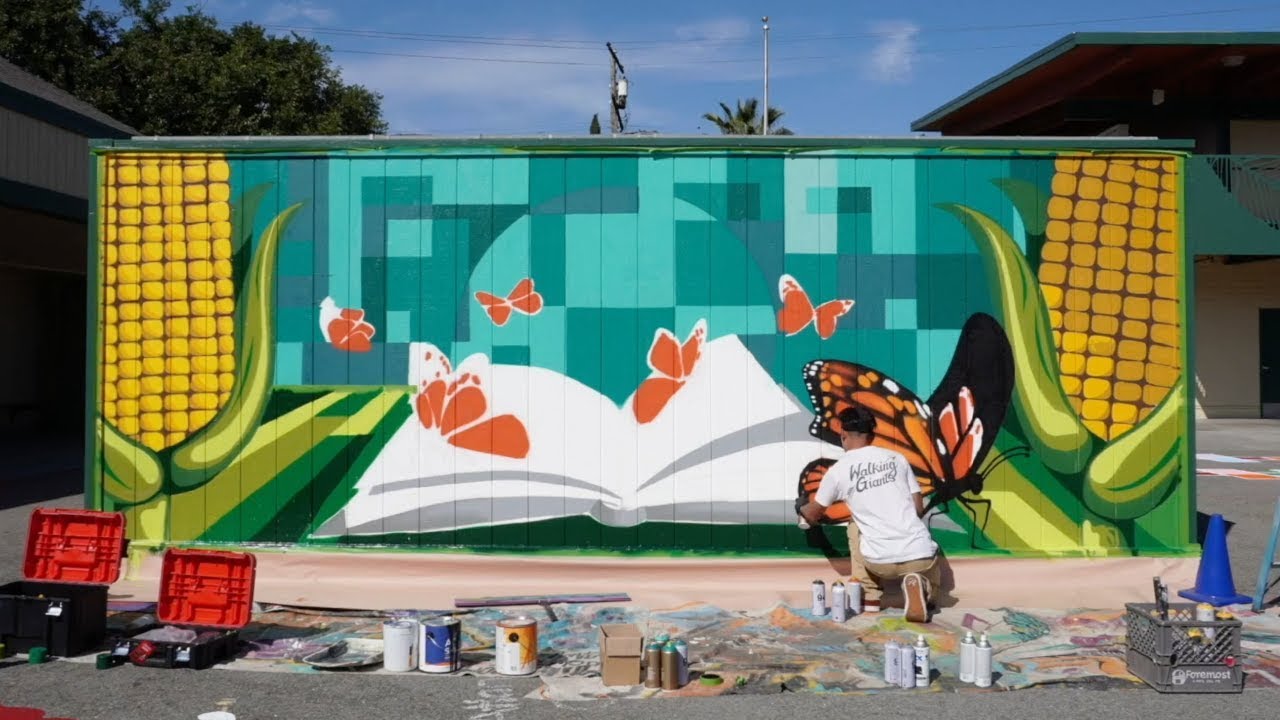
Murals hold immense societal significance, embodying what is mural painting in art as a catalyst for community engagement and dialogue. In public spaces, they transform bland walls into platforms for storytelling, addressing issues like social justice, environmental concerns, and historical injustices. For instance, during times of political upheaval, murals have served as peaceful protests, allowing marginalized voices to be heard without violence. This cultural role extends to education, where murals in schools and museums promote learning by making history and art accessible, fostering a sense of belonging and pride. By integrating art into daily life, murals enhance urban aesthetics and encourage civic participation, proving their value as tools for social cohesion.
Culturally, murals reflect and shape identities, highlighting what is mural painting in art as a mirror of human diversity. In places like Northern Ireland, murals have documented the Troubles, aiding in reconciliation efforts by preserving memories and promoting healing. Similarly, Indigenous murals in Australia and Canada reclaim narratives, challenging colonial histories and celebrating traditional knowledge. This significance lies in their ability to adapt to local contexts, blending global influences with regional themes to create resonant messages. As cultural artifacts, murals not only preserve heritage but also inspire future generations, demonstrating art’s power to unite societies across divides.
Contemporary Mural Painting: Trends and Innovations
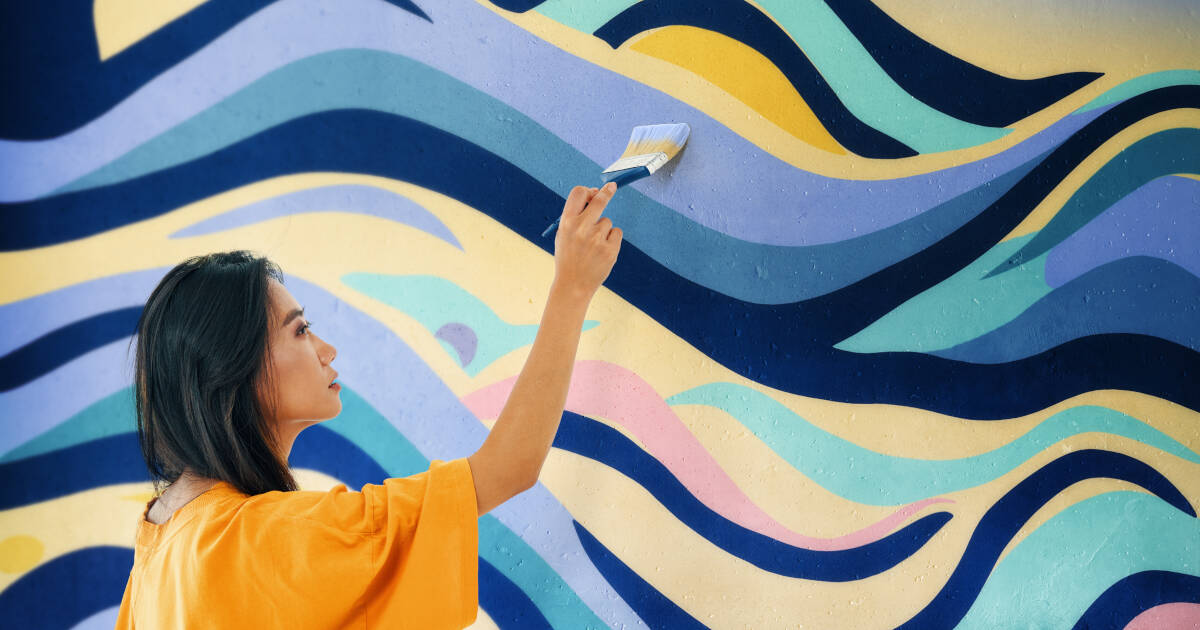
In the modern era, contemporary mural painting redefines what is mural painting in art through innovative trends that merge technology with traditional practices. Artists are now incorporating augmented reality (AR) elements, allowing viewers to interact with murals via smartphones, turning static images into immersive experiences. This fusion is evident in projects like those by JR, whose large-scale photographic murals comment on global issues, blending photography with painting to reach wider audiences. Additionally, the rise of eco-murals, using sustainable materials like plant-based paints, addresses environmental concerns, making art a part of the green movement. These trends highlight murals’ adaptability, ensuring they remain relevant in a digital age.
Furthermore, innovations in contemporary mural art emphasize collaboration and inclusivity, expanding what is mural painting in art beyond individual expression. Community-based projects, such as those in Brazil’s favelas, involve local residents in the creation process, fostering empowerment and social change. The influence of social media has also accelerated muralism, with viral artworks like those in Wynwood Walls, Miami, attracting global attention and tourism. Techniques like 3D mapping and projection mapping add dynamic layers, allowing murals to evolve over time. This evolution underscores the art’s resilience, as it continues to innovate while honoring its roots, shaping cultural landscapes in exciting new ways.
Conclusion
In summary, mural painting stands as a profound and multifaceted art form that encompasses historical depth, technical innovation, and cultural resonance, as explored through its definition, evolution, techniques, examples, societal roles, and contemporary trends. From ancient cave art to modern digital integrations, murals have consistently served as powerful tools for storytelling, social commentary, and community building, reflecting the essence of what is mural painting in art. This enduring practice not only enriches our environments but also inspires ongoing dialogue and creativity, ensuring its vital place in the artistic world for generations to come.