

Learning how to analyze art painting is an enriching journey that transforms a simple viewer into a discerning critic. This guide delves into the systematic process of examining artworks, from understanding their historical context to interpreting deeper meanings, helping you appreciate the layers of creativity and emotion embedded in each piece. By following these steps, you’ll gain the tools to engage with art on a more profound level, whether you’re a beginner or an enthusiast looking to refine your skills.
Introduction: Understanding Art Analysis
Art analysis is far more than a casual glance at a canvas; it’s a methodical exploration that uncovers the stories, techniques, and emotions woven into a painting. At its core, how to analyze art painting involves breaking down visual elements to reveal the artist’s intent and the work’s cultural significance. This process not only enhances personal enjoyment but also fosters critical thinking, allowing viewers to connect historical contexts with contemporary interpretations. By engaging in art analysis, you develop a keen eye for detail, recognizing how colors, forms, and compositions contribute to a narrative that might otherwise remain hidden.
Moreover, mastering how to analyze art painting empowers individuals to participate in broader discussions about art’s role in society. It’s a skill that bridges disciplines like history, psychology, and aesthetics, encouraging a holistic view of creative expression. Whether you’re standing before a masterpiece in a museum or studying a reproduction online, this approach helps you articulate why certain paintings resonate deeply. Through practice, you’ll find that art analysis is both an intellectual exercise and a personal voyage, revealing insights about the human experience that art so masterfully captures.
Gathering Background Information: Context and Artist
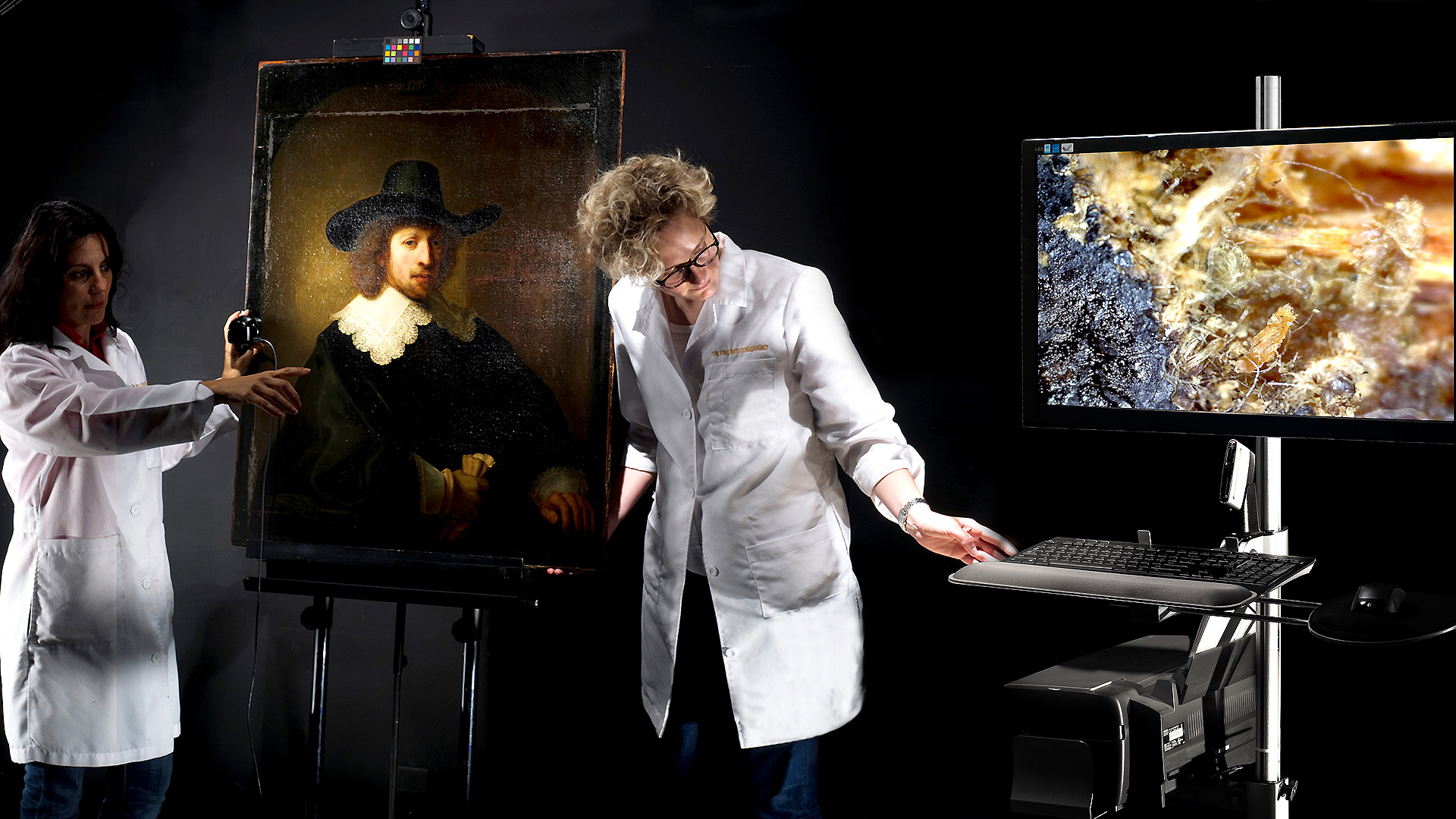
Before diving into the visual aspects of a painting, it’s essential to gather background information that sets the stage for deeper analysis. This step in how to analyze art painting begins with researching the artist’s biography, including their influences, life events, and artistic movements they were part of. For instance, understanding Vincent van Gogh’s struggles with mental health and his time in France provides crucial context for “Starry Night,” revealing how his personal turmoil influenced the swirling skies and vibrant colors. By exploring these elements, you can appreciate how external factors like social upheavals or cultural shifts shaped the artwork, turning a simple image into a window into history.
Furthermore, contextualizing the painting within its historical and cultural milieu enriches your analysis significantly. This means examining the era’s political climate, technological advancements, and prevailing artistic trends to see how they intersect with the piece. Take, for example, the Renaissance works of Leonardo da Vinci, where knowledge of humanism and scientific inquiry helps explain the meticulous detail in “The Last Supper.” In how to analyze art painting, this background work ensures that your interpretation is grounded in facts, preventing superficial judgments and allowing for a more nuanced understanding of the artist’s choices and the work’s enduring impact.


Descriptive Analysis: Identifying Formal Elements

Descriptive analysis forms the backbone of how to analyze art painting by focusing on the formal elements that make up the visual structure. Start by examining line, shape, color, texture, and space—fundamental components that dictate the painting’s composition. For example, in Pablo Picasso’s “Guernica,” the jagged lines and fragmented shapes convey chaos and suffering, drawing viewers into the emotional intensity of the Spanish Civil War. This level of scrutiny requires you to observe closely, noting how elements like brushstrokes or color palettes create rhythm and balance, ultimately contributing to the overall aesthetic appeal.
Beyond basic observation, delve into how these formal elements interact to evoke specific responses. In how to analyze art painting, consider the use of light and shadow, as seen in Rembrandt’s “The Night Watch,” where dramatic chiaroscuro highlights figures and adds depth, symbolizing power and mystery. This analysis isn’t just about listing features; it’s about understanding their interplay, such as how contrasting colors can create tension or harmony. By mastering this step, you’ll develop the ability to articulate why a painting feels dynamic or serene, enhancing your appreciation for the artist’s technical prowess and intentional design.
Interpretive Analysis: Unveiling Meaning and Symbolism
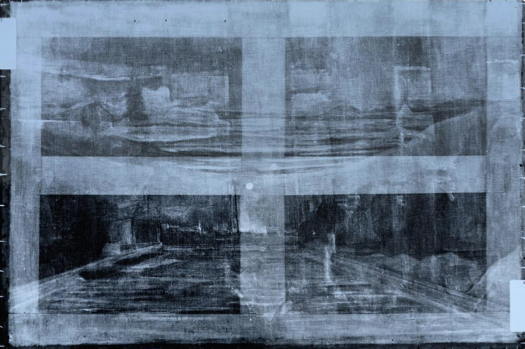
Interpretive analysis takes how to analyze art painting to a more profound level, where you uncover the hidden meanings and symbolism embedded in the work. This involves interpreting the artist’s possible intentions, cultural references, and emotional undertones that go beyond the surface. For instance, in Edvard Munch’s “The Scream,” the swirling background and anguished figure might symbolize existential dread, influenced by Munch’s own experiences with anxiety and loss. Here, you connect formal elements to broader themes, questioning what the painting says about human psychology or societal issues, and using historical context to support your insights.
In this phase of how to analyze art painting, symbolism becomes a key tool for revealing layers of meaning. Artists often use objects or motifs as metaphors—think of the apple in Grant Wood’s “American Gothic,” which could represent temptation or American values. By exploring these symbols, you engage in a dialogue with the artwork, considering multiple perspectives like feminist or postcolonial interpretations. This not only deepens your understanding but also highlights how paintings can evolve in meaning over time, influenced by changing cultural lenses and personal biases.

Evaluating Artistic Merit and Impact

Evaluating the artistic merit and impact is a critical step in how to analyze art painting, where you assess the work’s quality, innovation, and lasting influence. Begin by considering technical mastery, such as the skill in execution and originality in concept, as seen in Michelangelo’s Sistine Chapel ceiling, where anatomical precision and dramatic composition set a benchmark for Renaissance art. This evaluation involves weighing the painting’s strengths against its weaknesses, like how bold color choices in Frida Kahlo’s self-portraits amplify her personal narrative, making her work enduringly powerful.
Beyond technique, ponder the broader impact of the painting on art history and society in how to analyze art painting. For example, Andy Warhol’s “Campbell’s Soup Cans” revolutionized pop art by challenging traditional notions of fine art, influencing consumerism critiques in modern culture. This step requires you to reflect on reception and legacy, asking questions about how the work has inspired movements or sparked debates. By doing so, you not only gauge its merit but also appreciate its role in shaping artistic evolution and cultural discourse.
Synthesizing Analysis: Creating a Coherent Interpretation

Synthesizing analysis is the culminating phase of how to analyze art painting, where you weave together all previous elements into a unified interpretation. This means integrating background information, descriptive details, interpretive insights, and evaluations to form a cohesive narrative. For instance, when analyzing Diego Rivera’s murals, you might combine his political context, use of vibrant colors, symbolic figures, and social impact to argue that his work serves as a visual manifesto for Mexican identity and revolution. The key is to ensure your interpretation is logical and supported by evidence, avoiding personal biases.
In how to analyze art painting, this synthesis allows for a personal yet objective conclusion, where you articulate the painting’s overall significance. It’s about creating a story that connects the dots—for example, linking the impressionistic techniques in Claude Monet’s “Water Lilies” to his fascination with light and nature, resulting in a meditation on transience. By practicing this step, you refine your analytical skills, enabling you to present a compelling, well-rounded view that resonates with others and deepens your own connection to the art.


Conclusion
In summary, mastering how to analyze art painting encompasses a structured approach from understanding the basics in the introduction to synthesizing a coherent interpretation. By gathering background information on context and artists, you build a solid foundation; through descriptive analysis, you identify formal elements that form the artwork’s structure; interpretive analysis reveals deeper meanings and symbolism; evaluating artistic merit assesses its quality and influence; and finally, synthesizing ties everything together for a comprehensive view. This process not only enhances appreciation but also equips you to engage critically with art, fostering a lifelong dialogue with visual culture.