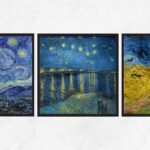

If you’re an artist eager to share your creations with the world, learning how to make art prints from paintings can transform your original works into accessible, high-quality reproductions. This comprehensive guide walks you through the entire process, from preserving your artwork to selecting the best materials and methods, ensuring that your pieces reach a wider audience while maintaining their integrity and vibrancy.
Introduction: Preserving Your Art Through Printmaking
Art has always been a medium for expression, and in today’s digital age, how to make art prints from paintings offers a bridge between traditional artistry and modern reproduction techniques. By turning your original paintings into prints, you not only protect your work from deterioration but also open up opportunities for sales, exhibitions, and personal collections. This process involves careful planning, from digitizing your art to choosing the right printing method, allowing you to reach art enthusiasts who might never see your originals. The journey is rewarding, blending creativity with technical skills, and it ensures that your vision endures over time. Whether you’re a seasoned painter or a hobbyist, understanding printmaking can elevate your career and preserve your legacy.
Beyond the practical benefits, printmaking adds a layer of storytelling to your art. Each print becomes a narrative of your creative process, capturing the nuances of brushstrokes, colors, and emotions in your original paintings. This method democratizes art, making it affordable and shareable, while still honoring the authenticity of your work. As you dive into this guide, you’ll discover how to make art prints from paintings that resonate with viewers, fostering a deeper connection and potentially turning your passion into a sustainable venture. Remember, the key is patience and attention to detail, as every step influences the final product’s quality.
Preparing Your Original Painting for Reproduction
Before you even think about scanning or printing, preparing your original painting is crucial to ensure the best possible results. Start by assessing the condition of your artwork—check for any dust, smudges, or damage that could affect the reproduction. Gently clean the surface with a soft, lint-free cloth and a mild solution, like distilled water mixed with a pH-neutral cleaner, to remove grime without altering the pigments. This step is essential because imperfections in the original can translate into flaws in the prints, diminishing the overall impact. Additionally, consider the lighting and environment; photograph or scan your painting in a controlled setting with even, diffused light to avoid shadows or glare. If your painting is on canvas, ensure it’s properly stretched and secured to prevent any movement during the process, as this preparation directly ties into how to make art prints from paintings that truly capture the essence of your creation.
Once your painting is cleaned and stabilized, document it thoroughly. Take high-resolution photos from multiple angles, noting details like texture, color depth, and any unique elements that define your style. This documentation serves as a backup and helps in making informed decisions later. If you’re working with valuable or fragile pieces, consult a professional art conservator to handle any restoration needs, as this ensures the longevity of your original while preparing it for reproduction. Engaging in this preparatory phase not only safeguards your art but also enhances the fidelity of the prints, turning a simple painting into a reproducible masterpiece that can be shared and appreciated widely.

Choosing the Right Printing Method for Art Prints
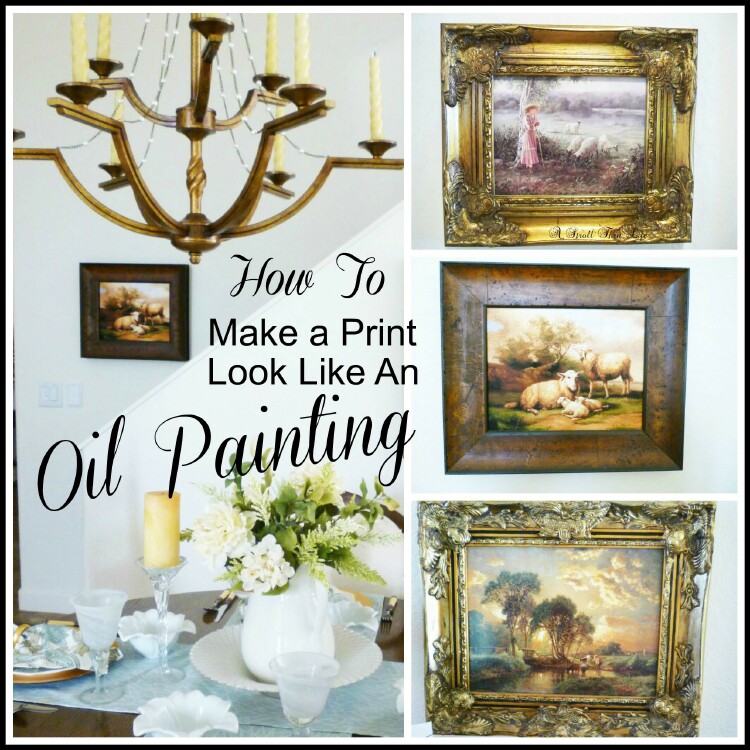
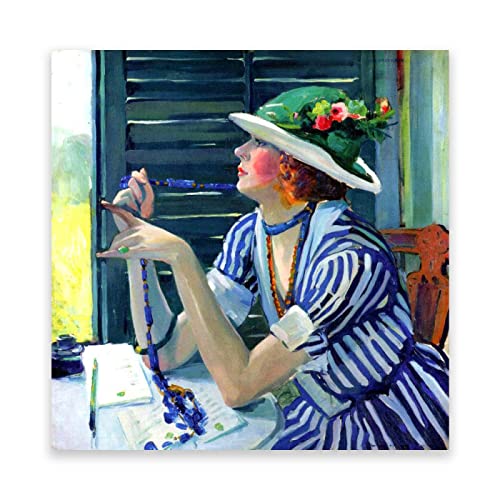
Selecting the appropriate printing method is where your artistic vision meets technical execution, and it’s a pivotal part of how to make art prints from paintings. Options abound, from giclée printing, which uses archival inks for museum-quality results, to offset lithography for high-volume runs. Giclée, for instance, employs inkjet technology to replicate fine details with exceptional color accuracy, making it ideal for artists who prioritize vibrancy and texture. Consider factors like your budget, the edition size, and the desired finish—matte for a subtle look or glossy for added pop. Each method has its pros and cons; for example, digital printing is faster and more cost-effective for small batches, while traditional techniques like screen printing offer a tactile quality that appeals to collectors.
Beyond the basics, delve into how different methods affect the longevity and appeal of your prints. UV-resistant inks in giclée printing can protect against fading, ensuring your art withstands years of display, whereas screen printing might introduce subtle variations between prints, adding an element of uniqueness. Experiment with prototypes to see how colors translate from your original painting, as this hands-on approach refines your choices. Ultimately, the right method aligns with your goals, whether it’s creating limited-edition pieces for galleries or mass-producing affordable art, and it underscores the importance of how to make art prints from paintings that maintain artistic integrity.


Scanning and Digitalizing Your Artwork Professionally
The digitalization step transforms your physical painting into a versatile file, and mastering how to make art prints from paintings hinges on getting this right. Begin with a high-resolution scanner or a professional photography setup capable of capturing at least 300 DPI to preserve intricate details. If your painting is large, use a drum scanner for superior clarity, as it reduces distortion and handles textures better than flatbed options. Adjust settings carefully, balancing brightness, contrast, and color profiles to match the original—utilize ICC profiles for accurate reproduction. This process isn’t just about creating a digital copy; it’s about archiving your art in a format that allows for endless editing and reproduction without degrading quality.
Once digitized, enhance the file using software like Adobe Photoshop or Lightroom to fine-tune elements. Remove any dust spots or minor flaws, but avoid over-editing to keep the authenticity of your painting intact. Save in multiple formats, such as TIFF for high-quality prints and JPEG for web sharing, ensuring compatibility with various printing services. This professional approach to scanning and digitalizing not only prepares your artwork for printing but also opens doors to online sales and digital portfolios, making how to make art prints from paintings a gateway to broader exposure.

Selecting High-Quality Materials for Lasting Art Prints
Materials play a starring role in the durability and aesthetic appeal of your prints, directly influencing how to make art prints from paintings that stand the test of time. Opt for acid-free paper with a weight of at least 200 GSM to prevent yellowing and ensure longevity; choices like cotton rag or archival matte paper enhance texture and color retention. Inks should be pigment-based, offering fade-resistant properties that protect against UV exposure, while considering the finish—satin provides a balance of shine and subtlety. Don’t overlook mounting options; use museum-grade boards to frame your prints, as these materials minimize warping and maintain vibrancy over decades.
Beyond selection, test materials through samples to see how they interact with your digital files. For instance, a heavyweight paper might accentuate the brushstrokes in your original painting, adding depth that resonates with viewers. Factor in environmental considerations, such as eco-friendly inks and recycled papers, to appeal to sustainability-conscious audiences. By prioritizing high-quality materials, you’re not just creating prints; you’re crafting heirlooms that embody the spirit of your art, reinforcing the core principles of how to make art prints from paintings.
Printing, Inspecting, and Packaging Your Art Prints
The final production phase brings everything together, and understanding how to make art prints from paintings culminates in meticulous printing, inspecting, and packaging. Start with a test print to verify colors and details, using a calibrated printer to match your digital file accurately—adjust for any discrepancies in density or saturation before full runs. Inspection is non-negotiable; examine each print under consistent lighting for flaws like smudges or color shifts, employing tools like loupes for close scrutiny. This step ensures that only the highest-quality pieces reach your audience, preserving your reputation as an artist.
Once printed, focus on packaging to protect your investment. Use acid-free sleeves, sturdy tubes, or custom boxes with protective inserts to shield prints from moisture and damage during transit. Include certificates of authenticity to add value and build trust with buyers. This comprehensive approach to printing, inspecting, and packaging not only safeguards your art but also enhances the unboxing experience, making how to make art prints from paintings a fulfilling end-to-end process that delights collectors.


Conclusion
In summary, mastering how to make art prints from paintings involves a thoughtful blend of preparation, technology, and material selection, as outlined from preserving your originals to final packaging. By carefully digitizing your artwork, choosing the right printing methods, and prioritizing high-quality components, you ensure that your creations are reproduced with fidelity and longevity. This guide equips you with the knowledge to turn your paintings into shareable masterpieces, fostering both personal growth and professional opportunities in the art world.