
In this comprehensive guide, we delve into how to make art with spray paint, transforming everyday surfaces into vibrant masterpieces. Whether you’re a novice eager to experiment or an enthusiast looking to refine your skills, this article covers everything from essential tools to advanced techniques, emphasizing creativity, safety, and innovation along the way.
Introduction to Spray Paint Art: A Beginner’s Guide
Spray paint art has exploded in popularity over the past few decades, evolving from street graffiti to a respected form of contemporary expression. This medium allows artists to achieve bold colors, smooth gradients, and intricate details with relative ease, making it accessible for beginners while offering depth for seasoned creators. What sets spray paint apart is its versatility—whether you’re spraying on canvas, walls, or even unconventional materials like wood and metal, the results can be strikingly dynamic. As you embark on your journey into how to make art with spray paint, remember that patience and practice are key; many renowned artists started with simple designs and built their skills through consistent experimentation.
Beyond the basics, spray paint art fosters a sense of freedom and spontaneity that traditional brushes can’t always match. The aerosol delivery system enables quick layering and blending, which can mimic natural elements like clouds or water with effortless strokes. This guide will walk you through the fundamentals, ensuring you’re equipped to handle the medium safely and effectively. By the end, you’ll not only understand how to make art with spray paint but also appreciate its cultural significance, from urban murals that adorn cityscapes to gallery pieces that challenge perceptions of fine art. Engaging with this form can be therapeutic, offering a way to release creativity while building technical prowess—one spray at a time.
Essential Materials for Spray Paint Art: Safety First
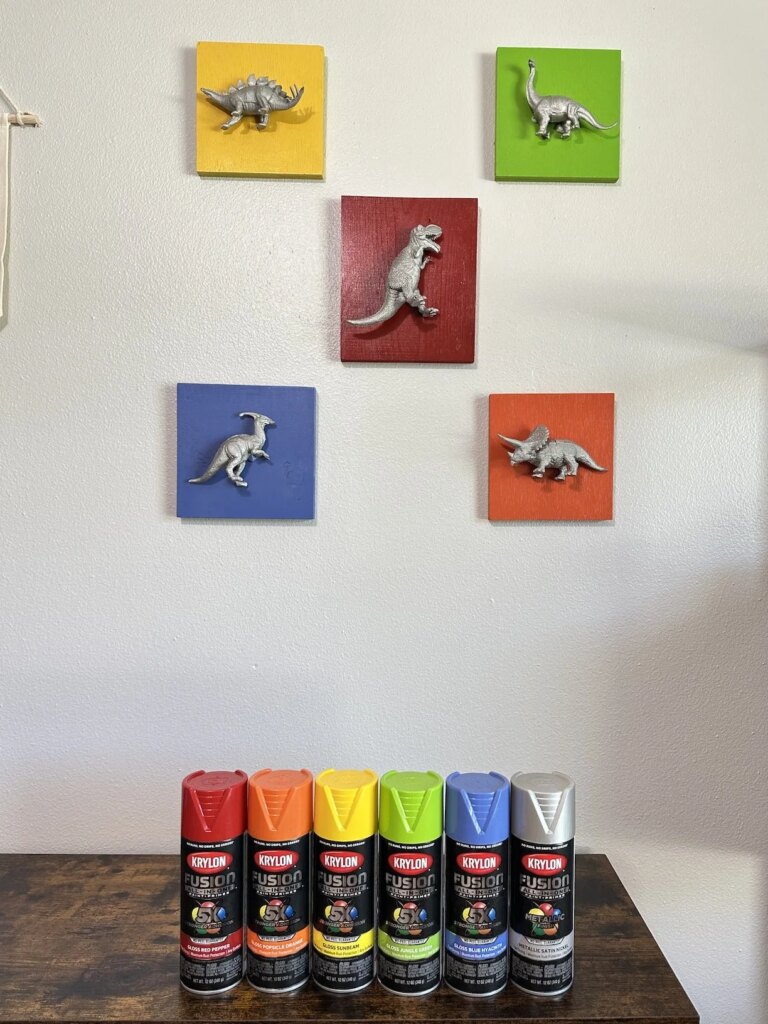
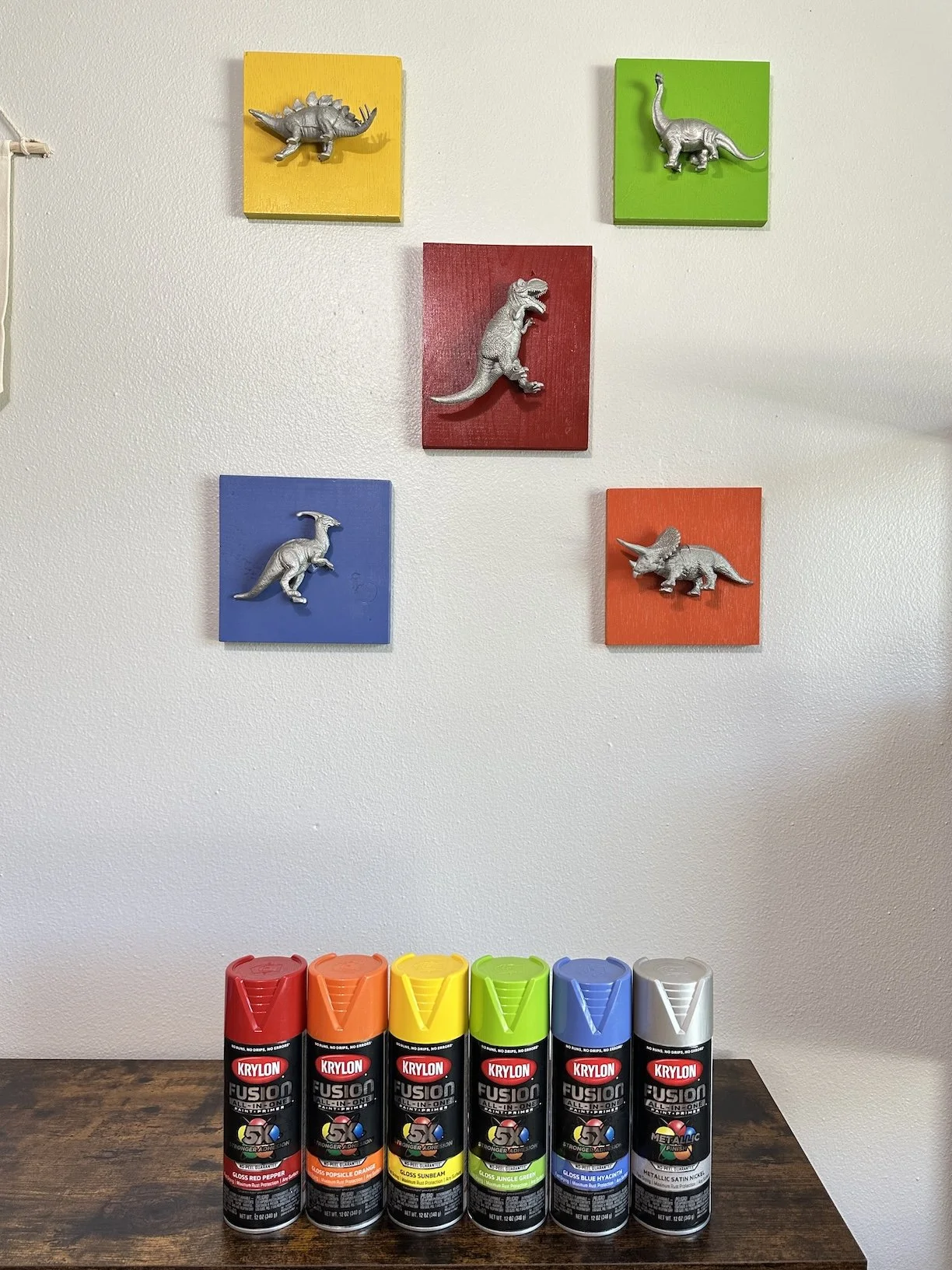
When diving into spray paint art, gathering the right materials is crucial for both success and safety. Start with high-quality spray paints in a variety of colors; brands like Montana or Krylon offer excellent coverage and durability, with options for matte, gloss, and metallic finishes. You’ll also need surfaces to work on, such as primed canvases, cardboard, or concrete, along with protective gear like respirators, gloves, and eye protection to prevent inhalation of fumes or skin irritation. Don’t overlook drop cloths or masking tape for precise designs—these tools help contain overspray and protect your workspace. Prioritizing safety isn’t just about avoiding accidents; it’s about creating an environment where you can focus entirely on your creativity, ensuring that your foray into how to make art with spray paint is enjoyable and sustainable.
As you build your arsenal, consider advanced materials that elevate your work, such as stencils for complex patterns or extenders for broader coverage on large-scale projects. A good primer is essential for adhesion, especially on non-porous surfaces, while clear sealants can protect your finished pieces from weathering. These items not only enhance the quality of your art but also encourage experimentation, like incorporating mixed media such as acrylics or pastels for added texture. By investing in reliable materials, you’re setting the stage for innovation and reducing frustration from subpar results. Remember, mastering how to make art with spray paint involves a thoughtful approach to preparation, where safety and quality materials intersect to unlock your full artistic potential.
Spray Paint Art Techniques: Mastering the Basics
The core of spray paint art lies in mastering fundamental techniques that form the backbone of any piece. Begin with basic spraying methods, such as holding the can at a consistent distance—about 8 to 12 inches from the surface—to achieve even coats without drips. Techniques like stippling, where you lightly tap the nozzle for textured effects, or feathering, which involves gradual blending of colors, can add depth and dimension to your work. Practice these on scrap materials first; it’s all about building muscle memory and understanding how pressure and angle affect the outcome. This hands-on approach makes how to make art with spray paint feel intuitive, turning what might seem chaotic into a controlled creative process.
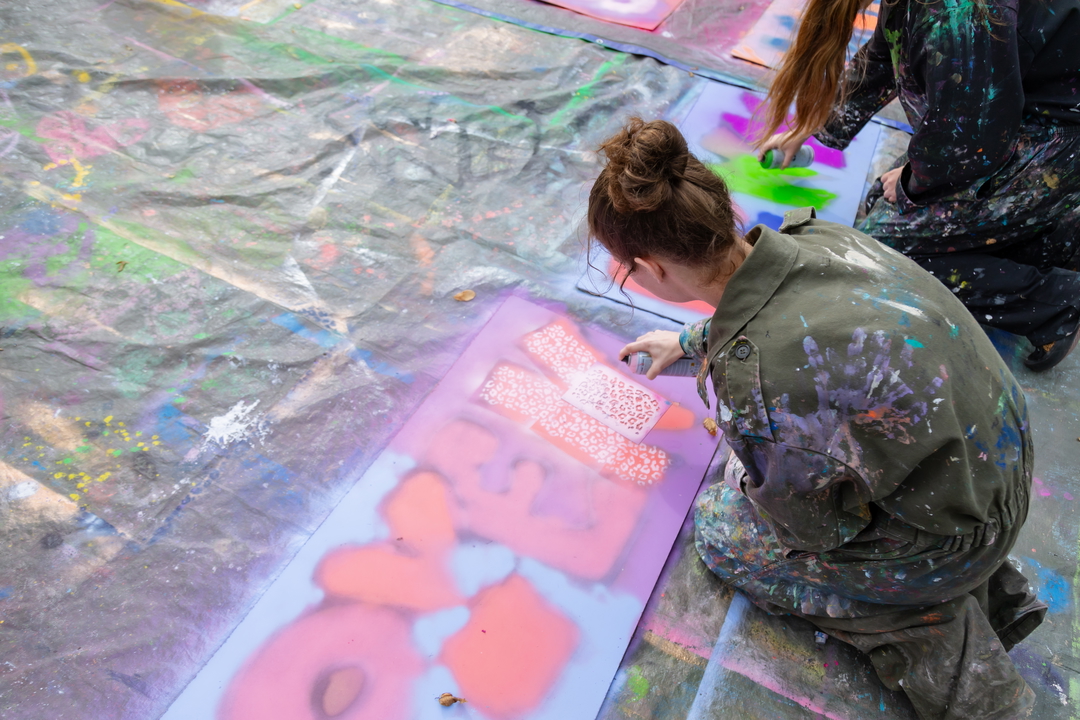
To go beyond the basics, explore layering and masking to create more sophisticated designs. Layering involves applying multiple coats in thin applications, allowing each to dry before adding the next, which prevents runs and builds complexity. Masking with tape or stencils lets you incorporate sharp lines and geometric shapes, opening doors to abstract or realistic art. These techniques aren’t just mechanical; they encourage storytelling through your art, whether you’re depicting urban landscapes or abstract emotions. By delving deeper into how to make art with spray paint, you’ll discover how these methods can be adapted to personal styles, fostering a sense of accomplishment as your skills evolve.
Step-by-Step Instructions: Creating Your First Spray Paint Art Piece
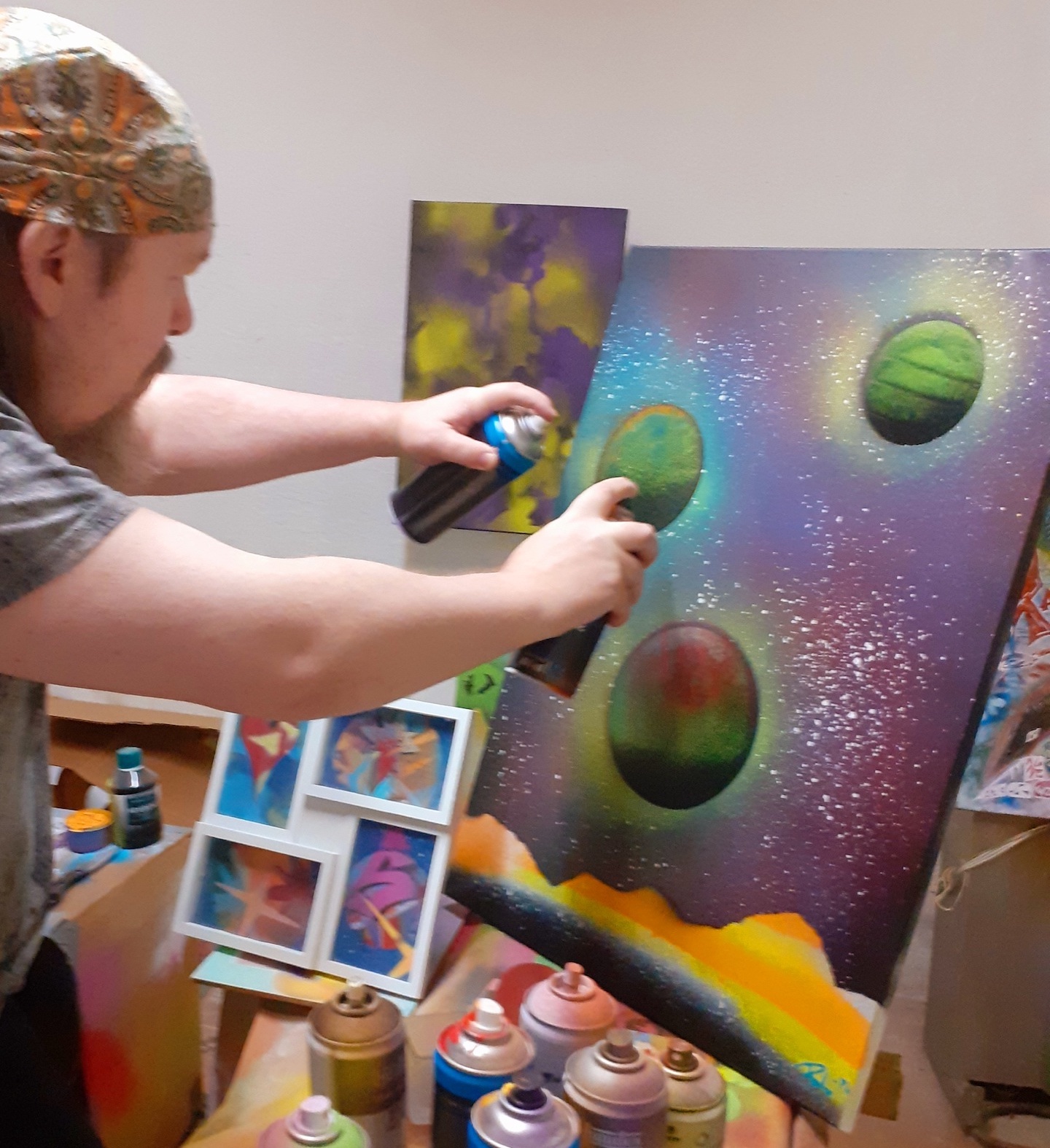
Embarking on your first spray paint art piece starts with selecting a simple theme, like a sunset or a floral pattern, to build confidence. Prepare your workspace by covering surfaces and ensuring good ventilation, then shake your spray cans vigorously for at least a minute to mix the pigments evenly. Begin by sketching a rough outline with a pencil on your chosen surface, such as a canvas, and apply a base coat in a light color to establish the foundation. Use short, controlled bursts to add details, working from background to foreground to maintain perspective. Take breaks to assess your progress, as stepping back allows you to refine elements like shading or highlights before finalizing.
As you progress, incorporate advanced steps like blending colors for gradients or adding accents with finer nozzles for intricate details. For instance, after your base layers dry, use a different color to feather edges, creating a seamless transition that mimics natural light play. Document each step with photos or notes to track your learning, turning this initial project into a blueprint for future works. This process not only demystifies how to make art with spray paint but also highlights the joy of seeing a vision come to life, encouraging you to experiment and iterate until you’re satisfied with the results.
Troubleshooting Common Spray Paint Art Issues
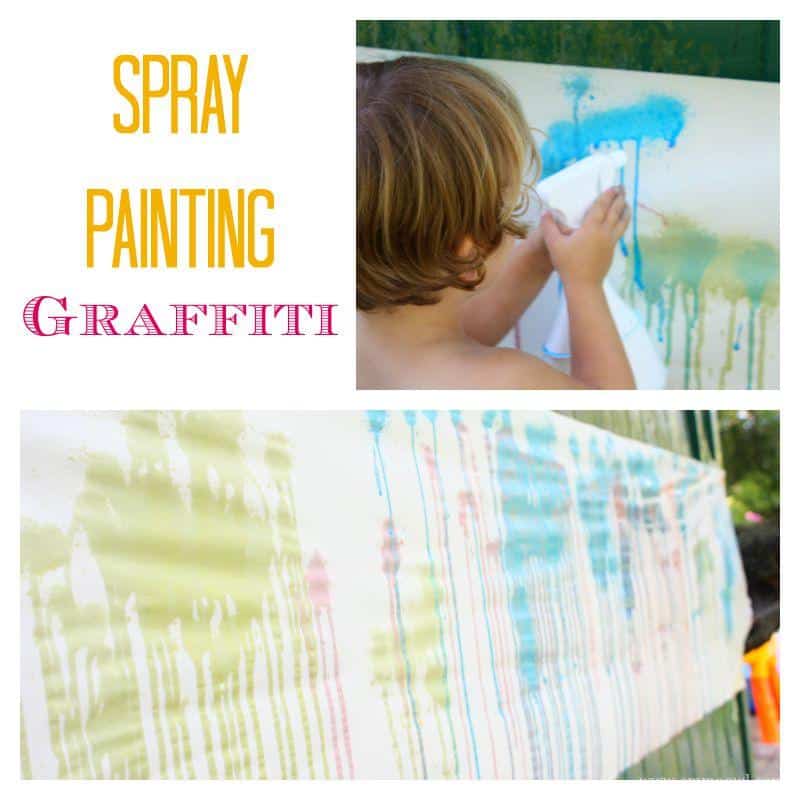
Even experienced artists encounter issues with spray paint, such as uneven coverage or clogs in the nozzle, which can disrupt your creative flow. If you notice blotchy areas, it might be due to holding the can too far or too close, so adjust your distance and apply thinner coats for better adhesion. Clogs often result from improper shaking or using old paint, so always test on scrap material first and clean the nozzle with a pin if needed. These problems are common but solvable with patience, turning potential frustrations into opportunities to refine your technique. Understanding these pitfalls is integral to mastering how to make art with spray paint, as it builds resilience and problem-solving skills.
For more persistent issues like paint dripping or fading colors, consider environmental factors such as humidity or surface preparation. Dripping can occur if the paint is applied too thickly in humid conditions, so work in a dry, temperate space and use primers to seal porous surfaces. Fading might stem from poor quality paint or lack of sealant, so opt for UV-resistant options and finish with a protective clear coat. By addressing these challenges head-on, you’ll not only salvage your current project but also prevent future mishaps, enhancing your overall expertise in how to make art with spray paint and making the process more rewarding.
Advanced Techniques and Inspiration for Spray Paint Artists
Once you’ve grasped the basics, advanced techniques like airbrushing hybrids or multi-layer stenciling can take your spray paint art to new heights. Airbrushing involves attaching a compressor for finer control, allowing for photorealistic details that elevate street art to gallery level. Multi-layer stenciling, on the other hand, builds depth by overlaying designs, creating illusions of movement or three-dimensionality. These methods require precision and planning, but they open up endless possibilities, from mural-scale installations to personalized decor. Drawing inspiration from artists like Banksy or Shepard Fairey, you’ll see how how to make art with spray paint can be a powerful tool for social commentary or personal expression.
To fuel your creativity, seek inspiration from diverse sources such as nature, urban environments, or digital art communities. Experiment with unconventional techniques, like combining spray paint with resins for glossy effects or incorporating LED lights for interactive pieces. This exploration not only expands your technical repertoire but also infuses your work with unique narratives, perhaps reflecting cultural themes or personal stories. As you advance, remember that how to make art with spray paint is as much about innovation as it is about mastery, inspiring you to push boundaries and contribute to the evolving world of aerosol art.


Conclusion
In summary, this guide on how to make art with spray paint covers essential materials, basic and advanced techniques, step-by-step instructions, troubleshooting tips, and sources of inspiration, equipping you with the knowledge to create safely and creatively. From prioritizing safety in your setup to mastering layering for complex designs, the journey emphasizes practice, experimentation, and resilience against common challenges. By applying these insights, you’ll transform simple sprays into stunning artworks, fostering both personal growth and artistic fulfillment.