
If you’re eager to dive into the world of abstract art, learning how to paint abstract art on canvas can be a transformative journey. This guide will walk you through the essential steps, from selecting materials to mastering techniques, empowering you to express your creativity freely and create stunning, original pieces that captivate viewers.
Introduction to Abstract Art: Unleashing Creativity on Canvas
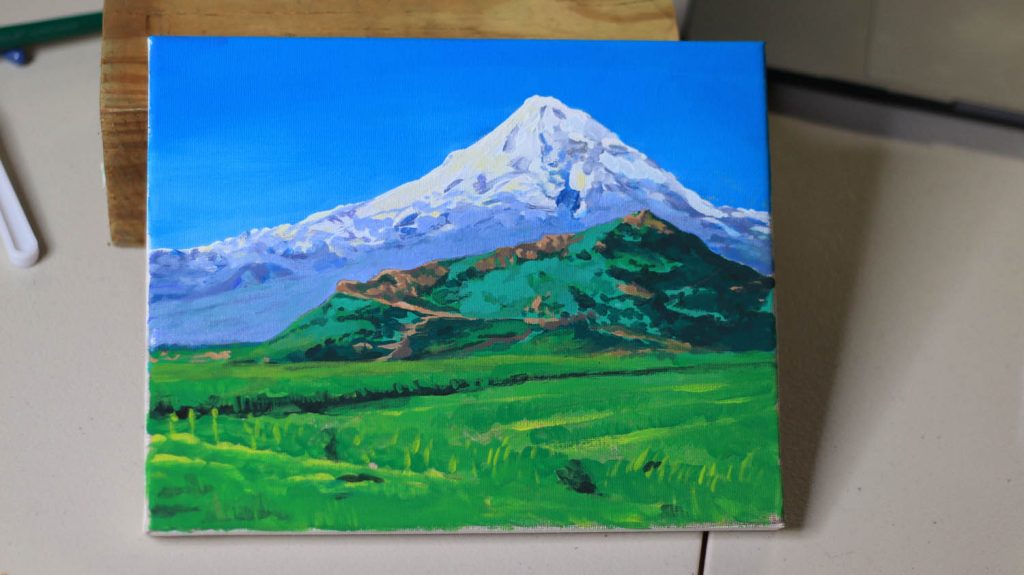
Abstract art is more than just shapes and colors splashed across a surface; it’s a profound expression of emotions, ideas, and the subconscious mind, allowing artists to break free from the constraints of realistic representation. This form of art, pioneered by visionaries like Wassily Kandinsky and Jackson Pollock, emphasizes intuition and spontaneity, encouraging creators to explore their inner thoughts through bold experimentation. When you embark on how to paint abstract art on canvas, you’re not merely applying paint—you’re engaging in a therapeutic process that fosters personal growth and innovation. The canvas becomes a playground for your imagination, where every stroke can represent a feeling or memory, making abstract art accessible to beginners and seasoned artists alike. By understanding its historical roots and philosophical underpinnings, you’ll gain the confidence to let go of perfectionism and embrace the beauty of imperfection.
Transitioning into practice, the key to mastering how to paint abstract art on canvas lies in building a foundation of knowledge and skills that amplify your creative voice. Start by considering how abstract pieces evoke emotions in viewers, often through unexpected combinations of form and color that challenge perceptions. This section will guide you through the basics, highlighting how techniques like freeform brushwork can lead to unexpected masterpieces. Remember, abstract art isn’t about replicating the world; it’s about interpreting it in your unique way, so allow yourself to experiment without fear of judgment. As you progress, you’ll discover that the process itself—filled with trial and error—can be as rewarding as the final artwork.
Gathering Your Supplies: Essential Tools and Materials for Abstract Painting
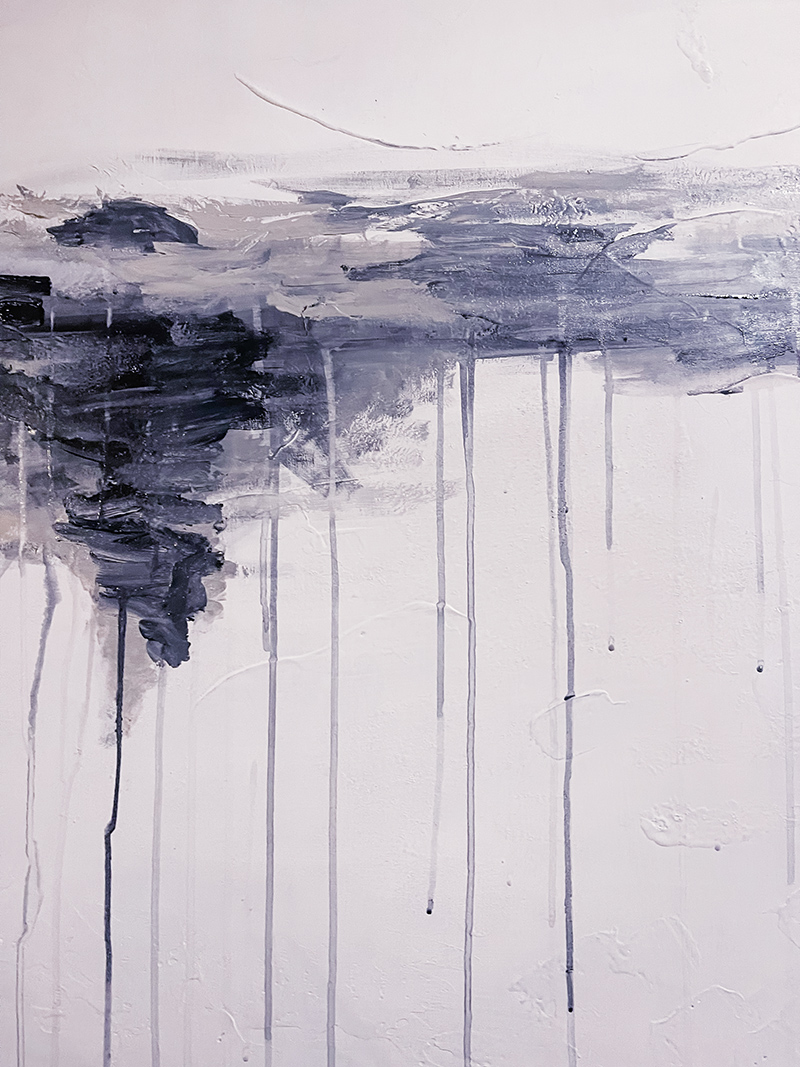
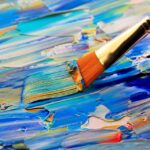
When diving into how to paint abstract art on canvas, the first step is assembling a toolkit that sparks your creativity and supports your artistic endeavors. Beyond basic paints and brushes, consider investing in high-quality acrylics or oils that offer vibrant pigmentation and versatile drying times, allowing for layering and blending without frustration. Acrylics are ideal for beginners due to their quick-drying nature and water-based cleanup, while oils provide a richer texture for more advanced explorations. Don’t overlook unconventional items like palette knives, sponges, or even household objects such as credit cards for unique mark-making; these tools can add depth and texture to your work, turning a simple canvas into a dynamic canvas of expression. Additionally, prioritize a sturdy easel or flat surface to keep your canvas stable, ensuring that your focus remains on the creative process rather than logistical hassles.
To truly elevate your experience in how to paint abstract art on canvas, think about the role of supplementary materials in enhancing your workflow and final results. For instance, selecting the right canvas—whether primed cotton or linen—can influence how paints adhere and how textures emerge, so experiment with different sizes and weights to find what resonates with your style. Essential additions include a palette for mixing colors, rags or paper towels for quick cleanups, and protective gear like gloves to handle messy mediums safely. By curating a personalized supply kit, you’ll foster an environment that encourages experimentation, perhaps even incorporating eco-friendly options like natural bristle brushes or recycled canvases. This preparation not only streamlines your sessions but also deepens your connection to the art, making each piece a reflection of your thoughtful preparation.


Preparing Your Canvas: Priming and Texturing for Optimal Results
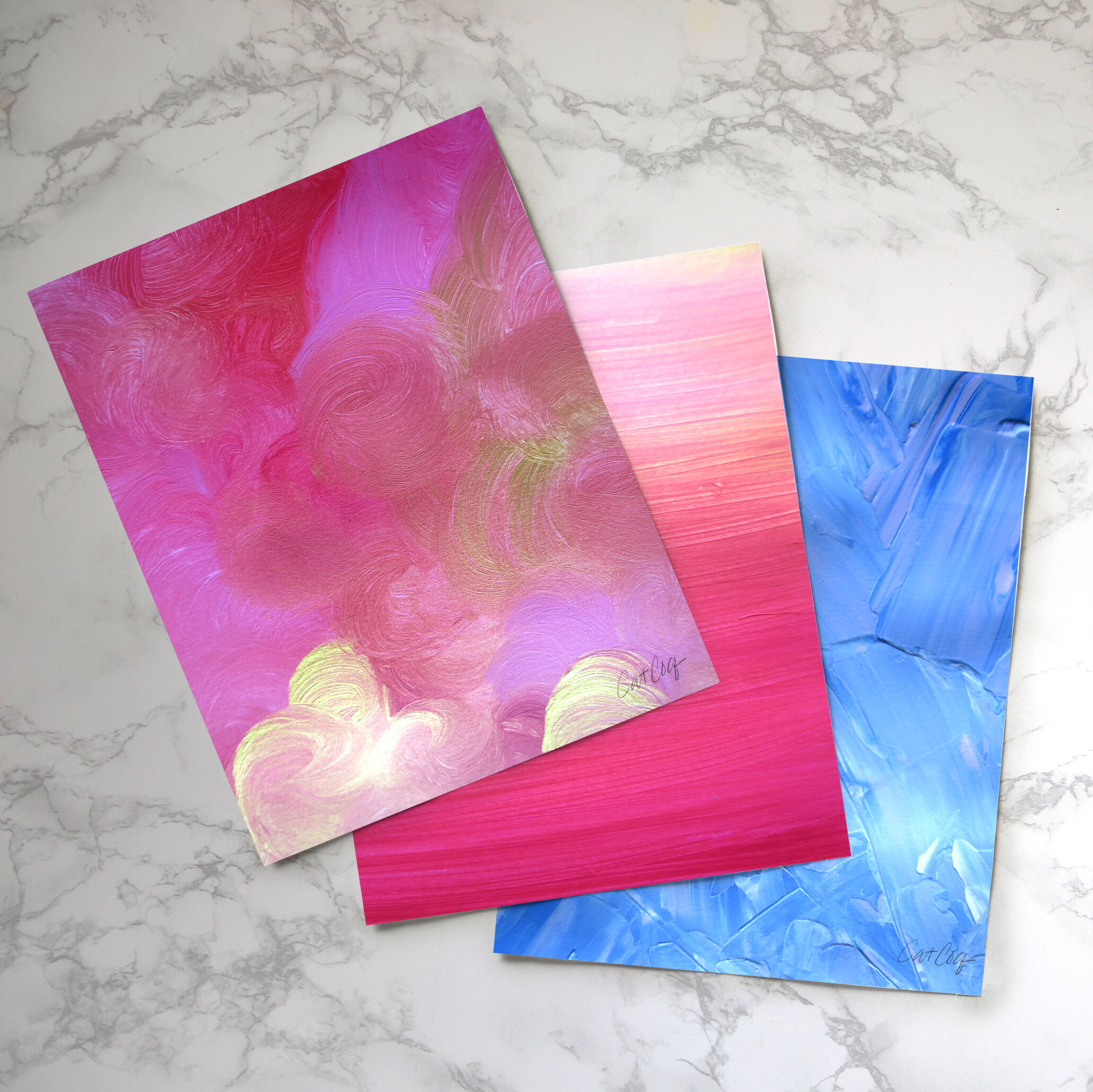
Preparing your canvas is a crucial phase in how to paint abstract art on canvas, as it sets the stage for the paint to interact dynamically with the surface, influencing the overall texture and longevity of your artwork. Start by applying a primer, such as gesso, which creates a barrier between the raw canvas fibers and your paints, preventing absorption and ensuring even coverage. This step allows colors to pop with vibrancy and helps avoid unsightly patches, but don’t stop at a single coat—experiment with multiple layers or tinted gesso to infuse subtle undertones that subtly guide your composition. Texturing comes next, where you might use tools like a brayer or even sand to add tactile elements, turning a flat canvas into a multidimensional base that invites exploration and adds depth to your abstract expressions.
In mastering how to paint abstract art on canvas, texturing techniques can transform your preparation into an art form itself, offering endless possibilities for creative innovation. For example, applying modeling paste or acrylic mediums before painting can create raised surfaces that catch light in intriguing ways, enhancing the emotional impact of your work. Consider the psychological effects: a smooth, primed canvas might evoke serenity, while a rough, textured one could convey chaos or energy, aligning with the themes you wish to explore. This preparatory work goes beyond mere functionality; it’s an opportunity to build anticipation for your painting process, ensuring that every brushstroke interacts meaningfully with the surface. By dedicating time to this step, you’ll not only extend the life of your artwork but also unlock new avenues for expression that make your abstract pieces truly stand out.
Exploring Abstract Techniques: Layering, Blending, and Mark-Making
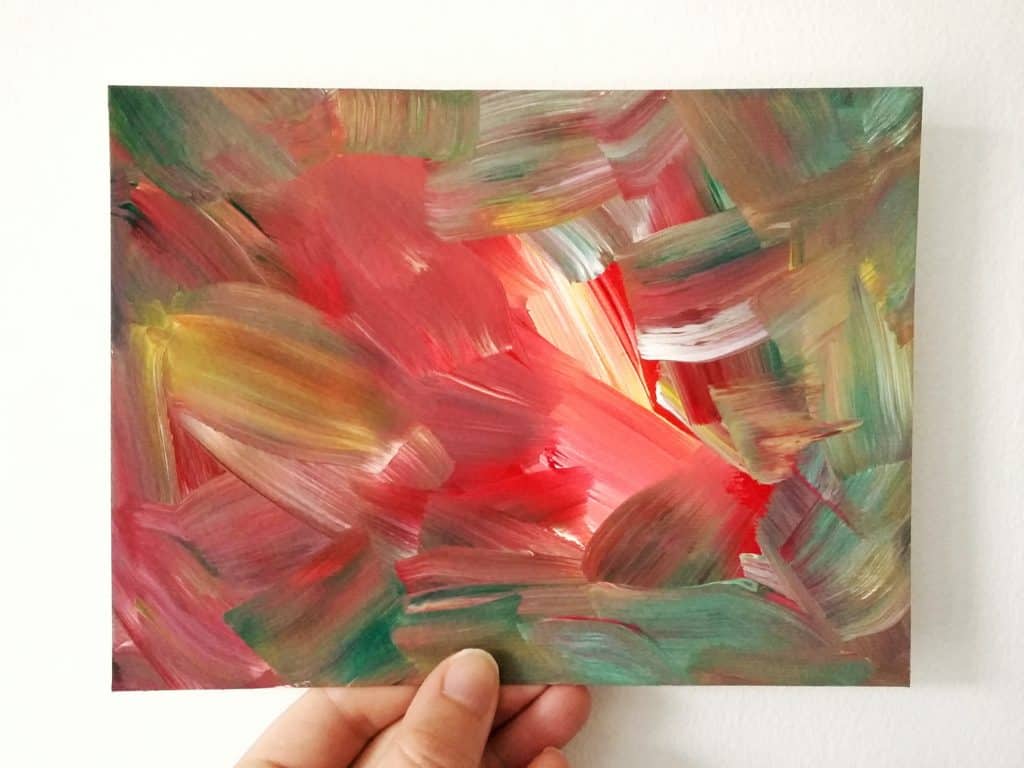
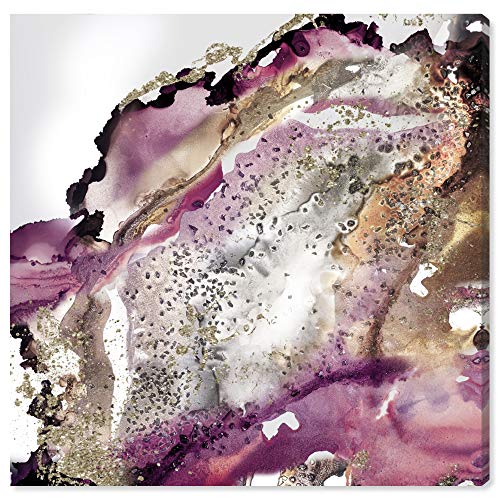
Delving into how to paint abstract art on canvas involves mastering a range of techniques that allow you to build complexity and emotion layer by layer. Layering is foundational, starting with broad washes of color to establish a base mood, then gradually adding thinner or thicker applications to create depth and intrigue. This method encourages experimentation, such as using transparent glazes for ethereal effects or opaque layers for bold contrasts, which can represent the evolution of your thoughts on the canvas. Blending techniques, like wet-on-wet applications, further enhance this by softening edges and merging hues seamlessly, evoking fluidity and movement that draws viewers into your abstract narrative. Mark-making adds another dimension, employing tools from fingers to sticks to imprint unique patterns that personalize your work and convey raw energy.
As you advance in how to paint abstract art on canvas, blending and mark-making become powerful tools for conveying abstract concepts with precision and flair. For instance, experimenting with scumbling—lightly brushing one color over another—can produce a hazy, dreamlike quality that mirrors the subconscious themes often found in abstract art. These techniques aren’t just mechanical; they’re expressive vehicles that allow you to respond to your emotions in real-time, perhaps using aggressive strokes for passion or delicate marks for introspection. By combining layering with innovative blending and mark-making, you’ll develop a signature style that transcends basic forms, turning your canvas into a visual diary of your creative journey. This exploration fosters resilience, as you’ll learn to embrace mistakes as opportunities for discovery, ultimately enriching your artistic repertoire.
Developing Your Composition: Color Theory and Design Principles in Abstract Art
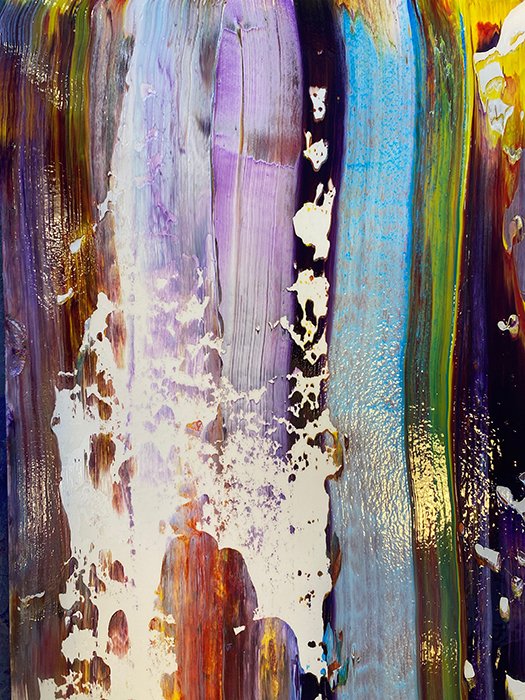
Understanding color theory is essential when figuring out how to paint abstract art on canvas, as it forms the backbone of your composition and influences the emotional resonance of your work. Begin by exploring the color wheel, where complementary colors can create vibrant tension and analogous hues foster harmony, allowing you to evoke specific moods—warm tones for energy, cool shades for calm. Design principles like balance and rhythm play a key role here; for example, asymmetrical arrangements can add dynamism, while repetition of shapes builds visual interest without overwhelming the viewer. In abstract art, these elements aren’t bound by realism, giving you the freedom to play with scale and proportion to guide the eye through your canvas in a narrative flow.
To refine your approach in how to paint abstract art on canvas, integrate color theory with design principles to craft compositions that are both intuitive and intentional. Consider how contrast can highlight focal points, such as using a burst of bright color against a muted background to symbolize breakthrough moments in your creative process. Principles like unity and variety ensure that your piece feels cohesive yet surprising, perhaps by varying line weights or incorporating negative space to let elements breathe. This synthesis not only elevates your abstract works but also deepens your understanding of how viewers interact with art, making each composition a thoughtful exploration of balance. Through practice, you’ll find that these tools empower you to translate abstract ideas into compelling visuals, turning inspiration into enduring masterpieces.

Finishing Touches: Varnishing, Displaying, and Reflecting on Your Abstract Masterpiece
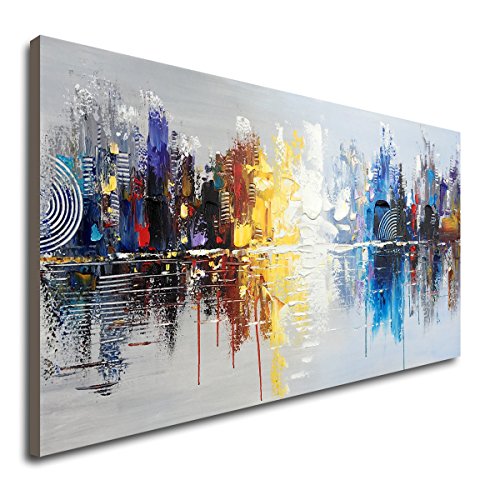
The final stages of how to paint abstract art on canvas involve varnishing, which protects your creation and enhances its visual appeal, ensuring that colors remain vivid and surfaces resist damage over time. Choose a varnish based on your medium—gloss for a shiny finish that amplifies depth or matte for a subtle, professional look—and apply it in thin, even coats to avoid bubbles or streaks. This step not only safeguards your artwork but also allows you to step back and appreciate the culmination of your efforts, perhaps revealing new details that emerged through the process. Displaying your piece is equally important; consider framing options that complement the abstract style, like floating mounts for a modern feel, and think about lighting to highlight textures and colors effectively.
Reflecting on your abstract masterpiece as part of how to paint abstract art on canvas encourages personal growth and continuous improvement in your artistic practice. After varnishing, take time to journal about your experience—what techniques worked, which colors surprised you, and how the piece captures your original intent—turning each project into a learning opportunity. Proper display, whether in a gallery or your home, invites feedback that can refine your style, while reflection helps you identify patterns in your work, such as a preference for certain compositions. This holistic approach ensures that finishing touches go beyond the physical, fostering a deeper connection to your art and motivating you for future endeavors.
Conclusion
In summary, mastering how to paint abstract art on canvas begins with understanding its creative essence, gathering the right supplies, and preparing your surface thoughtfully, all while exploring techniques like layering and blending to develop compelling compositions. By applying color theory and design principles, you can create pieces that are not only visually striking but also emotionally resonant, leading to finished works that are varnished, displayed, and reflected upon for ongoing inspiration. This guide empowers you to unleash your inner artist, transforming raw ideas into timeless abstractions through practice and passion.