
Diving into the world of abstract art can be both exhilarating and transformative, offering artists a chance to express emotions, ideas, and visions without the constraints of realistic representation. This guide on how to paint abstract art will walk you through the fundamentals, from grasping the basics to overcoming common hurdles, empowering beginners and seasoned creators alike to unleash their creativity. Whether you’re picking up a brush for the first time or looking to refine your style, you’ll discover practical tips, techniques, and inspirations that make abstract painting accessible and fun. By the end, you’ll have the tools to create pieces that are uniquely yours.
Understanding Abstract Art: A Beginner’s Guide
Abstract art is more than just splashes of color on a canvas; it’s a profound expression of the human experience, where artists distill emotions, thoughts, and perceptions into visual forms that transcend literal interpretation. Originating in the early 20th century with pioneers like Wassily Kandinsky and Piet Mondrian, this art form broke away from traditional representational techniques, emphasizing instead the use of shape, color, line, and texture to evoke feelings and ideas. For beginners, understanding abstract art means appreciating its freedom from rules—it’s about exploring the subconscious and allowing intuition to guide your hand. This approach not only fosters personal growth but also challenges viewers to engage actively with the artwork, interpreting it through their own lens. As you embark on how to paint abstract art, consider it a journey of self-discovery, where each stroke represents a part of your inner world.
To truly grasp how to paint abstract art, start by immersing yourself in its core principles and history, which can dramatically enhance your creative process. Begin with basic elements like abstraction levels—from semi-abstract works that hint at real objects to pure abstraction that relies solely on non-representational forms. Study influential movements such as Cubism, Surrealism, and Abstract Expressionism to see how artists like Jackson Pollock used chaos and energy to convey raw emotion. As a beginner, practice by sketching simple abstract shapes and experimenting with their arrangements, building confidence in your decisions. Remember, the beauty of abstract art lies in its subjectivity, so don’t fear “getting it wrong”—instead, use this as an opportunity to develop your unique voice and push boundaries in ways that traditional art might not allow.


Essential Materials for Abstract Painting
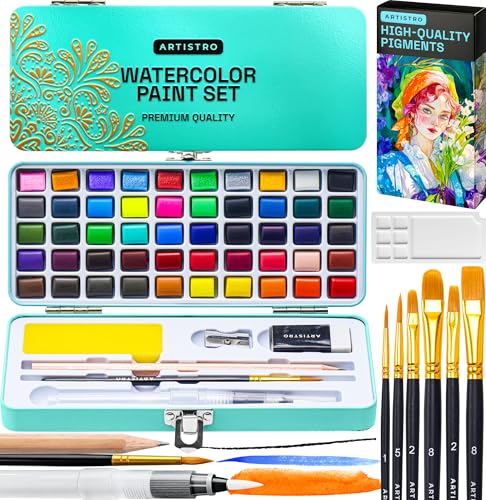
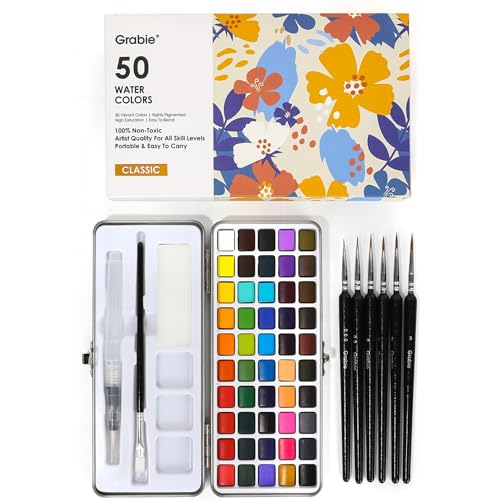
When diving into abstract painting, selecting the right materials is crucial, as they directly influence the texture, flow, and final outcome of your artwork, turning a simple idea into a captivating masterpiece. High-quality acrylic or oil paints are staples, offering vibrant pigments that can be layered or blended for depth, while watercolors provide a fluid, ethereal quality perfect for experimental pieces. Don’t overlook brushes and tools—varied sizes from fine-tipped for precise lines to broad, flat ones for sweeping gestures, along with palette knives for textural effects. A sturdy canvas or heavy paper serves as your foundation, and items like sponges, rags, or even unconventional tools like credit cards can add unexpected dimensions. Investing in these essentials not only enhances how to paint abstract art but also encourages exploration, making your sessions more enjoyable and productive.
Beyond the basics, thoughtful choices in materials can elevate your abstract art practice, ensuring longevity and versatility in your creations. Consider the surface preparation: priming your canvas with gesso creates a smooth base that prevents paint absorption and allows for better control, especially when building layers. Eco-friendly options, such as natural bristle brushes or water-based paints, are worth exploring for sustainability-conscious artists, reducing environmental impact without compromising quality. Additionally, a good easel or workspace setup promotes comfort and focus, preventing physical strain during long sessions. As you master how to paint abstract art, experiment with mixed media like charcoal, pastels, or collage elements to add complexity, transforming ordinary materials into vehicles for innovative expression and helping you discover what resonates with your style.

Exploring Techniques: From Brushstrokes to Layering
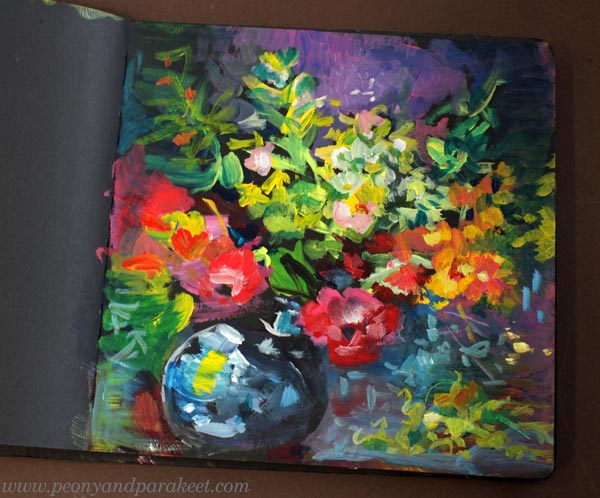
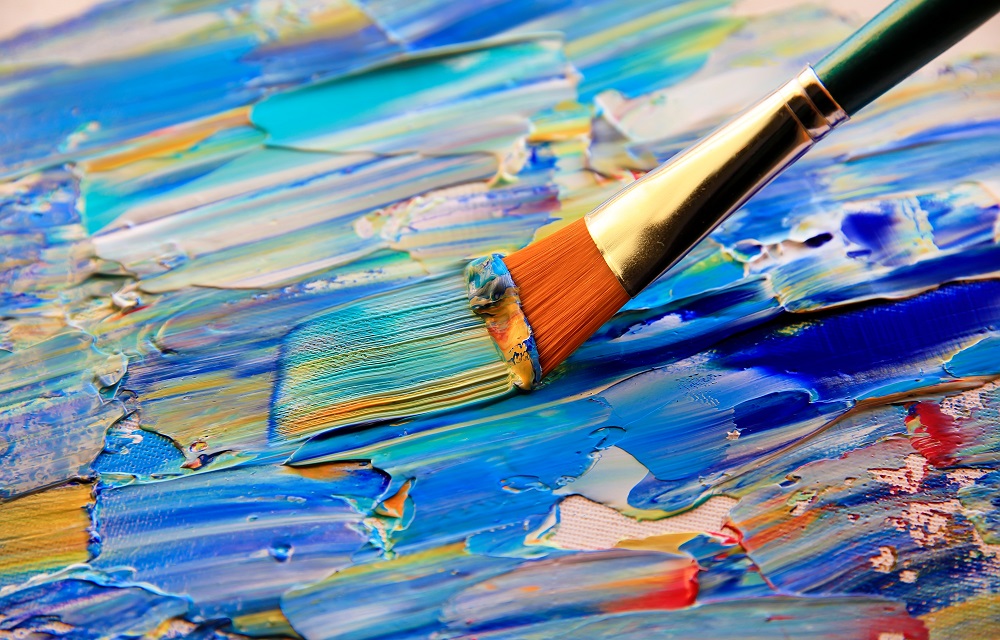
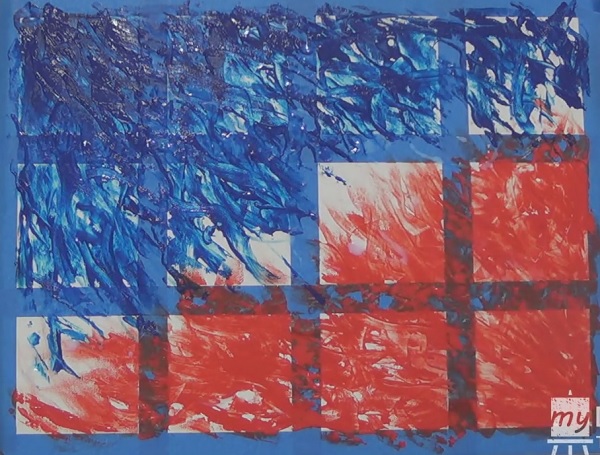
Abstract painting thrives on a variety of techniques that allow artists to manipulate form and space, turning basic brushstrokes into dynamic expressions of creativity and emotion. Start with fundamental brushstrokes, such as short, staccato marks for energy or long, flowing lines for fluidity, which can build rhythm and movement across the canvas. Layering is another key technique, where you apply thin washes of color over thicker impasto strokes to create depth and complexity, mimicking the way memories overlap in our minds. Techniques like dripping or pouring paint, inspired by artists like Pollock, introduce chance and spontaneity, encouraging you to embrace imperfections as part of the process. Mastering how to paint abstract art involves practicing these methods regularly, as they not only enhance technical skills but also foster a deeper connection between your intentions and the final piece.
As you delve deeper into techniques, layering and brushstrokes become tools for storytelling, allowing you to convey narratives through visual abstraction without explicit figures or scenes. Experiment with resist methods, such as using masking tape or wax to preserve areas while painting over others, adding surprise and contrast to your work. Blending colors wet-on-wet can produce soft transitions, evoking serenity, while dry brushing creates rough, textured surfaces that suggest turmoil or strength. In the context of how to paint abstract art, these techniques encourage innovation, like incorporating digital elements or unconventional tools to push boundaries. By varying your approach, you’ll develop a repertoire that reflects your personality, making each painting session an adventure in discovery and refinement.


Color Theory and Composition in Abstract Art
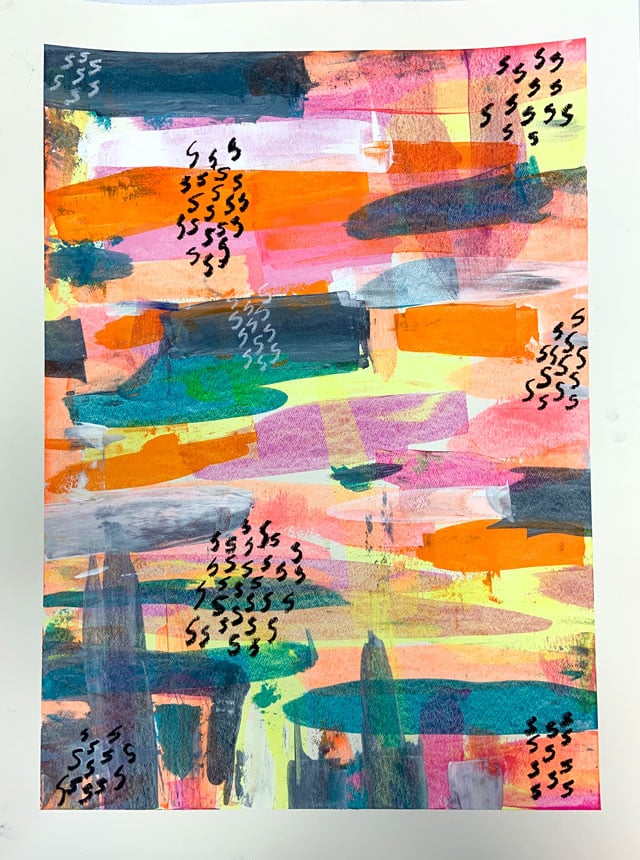
Color theory forms the backbone of abstract art, guiding artists in selecting hues that evoke specific moods and harmonies, transforming a blank canvas into a symphony of visual impact. Understanding the color wheel—primary, secondary, and tertiary shades—helps in creating balanced compositions, where complementary colors like blue and orange can generate vibrancy, while analogous tones offer a more subdued, cohesive feel. In abstract pieces, composition isn’t about realistic placement but about how elements interact spatially, using techniques like the rule of thirds or golden ratio to draw the eye dynamically. Applying how to paint abstract art means experimenting with value and saturation; for instance, high-contrast palettes can convey intensity, while muted tones invite introspection, making your work resonate on an emotional level.
Composition in abstract art goes beyond mere arrangement, serving as a framework for exploring personal narratives through strategic placement and color interplay. Consider the psychological effects of colors—red for passion, blue for calm—to infuse your pieces with intentionality, ensuring that every element contributes to the overall message. Techniques like color blocking or gradient washes can add layers of meaning, guiding viewers through a visual journey. In mastering how to paint abstract art, integrate these principles with your unique style, perhaps by contrasting geometric shapes with organic forms to highlight tension and release. This comprehensive approach not only elevates your technical prowess but also deepens the viewer’s engagement, turning abstract compositions into profound statements of creativity and thought.
Finding Inspiration and Developing Your Style
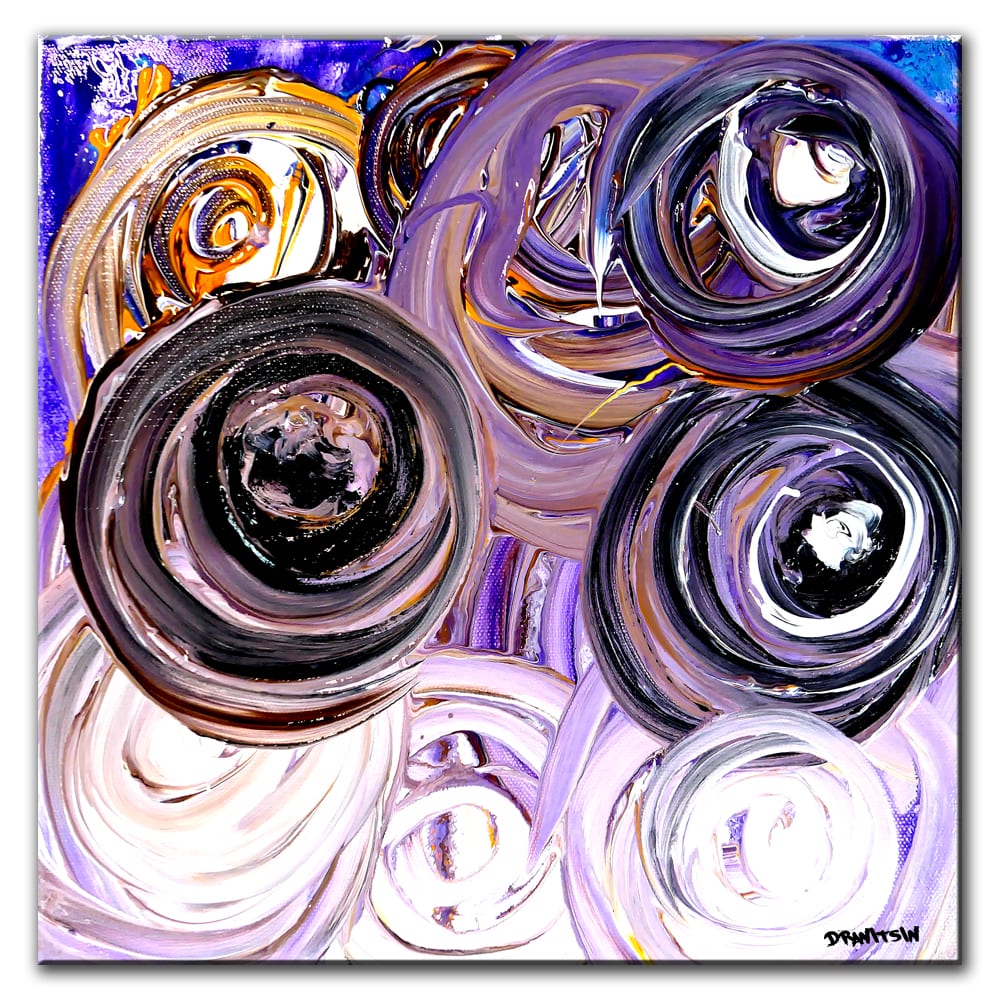
Inspiration for abstract art often stems from the everyday world, where artists draw from personal experiences, nature, music, or even dreams to fuel their creativity and break through creative blocks. Begin by maintaining a sketchbook to capture fleeting ideas, like the play of light on water or the chaos of urban life, which can translate into abstract forms that reflect your inner thoughts. Developing your style requires self-reflection; experiment with different influences, such as the bold energy of street art or the minimalism of modern design, to carve out a signature approach. As you explore how to paint abstract art, remember that inspiration is personal—visiting galleries, listening to podcasts, or meditating can spark the innovation needed to make your work stand out in a crowded field.
Building a unique style in abstract art involves iterative practice, where you refine techniques and themes over time to create a cohesive body of work that speaks authentically to your voice. Start by analyzing your favorite artists’ styles and adapting elements that resonate, such as Kandinsky’s use of geometric abstraction, while infusing your own twists, like incorporating cultural motifs. How to paint abstract art effectively means setting aside time for experimentation without judgment, allowing failures to inform growth and leading to breakthroughs in expression. Over time, this process helps you develop a style that’s not only recognizable but also evolves, ensuring your art remains fresh and engaging as you draw from diverse sources and push your boundaries.
Troubleshooting Common Abstract Painting Challenges
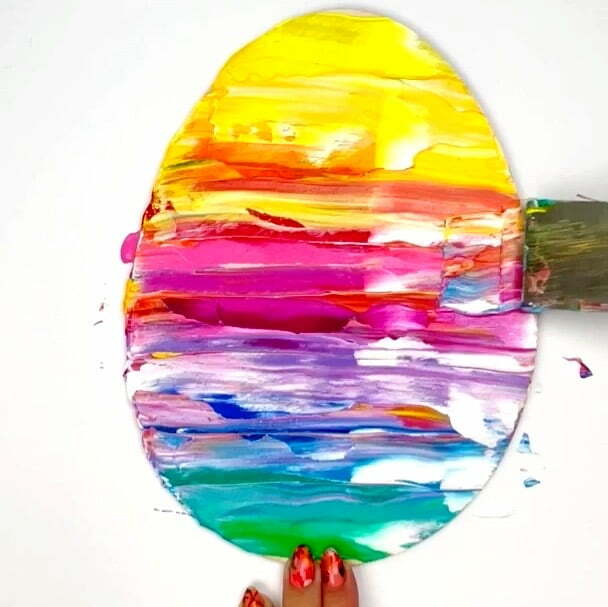
Abstract painting often presents challenges like inconsistent color blending or unintended textures, but addressing these head-on can turn potential frustrations into opportunities for growth and mastery. For instance, if paints dry too quickly, causing cracking, try working in a more humid environment or using a retarder medium to extend drying time, allowing for smoother blends and more controlled layers. Composition issues, such as a piece feeling unbalanced, can be resolved by stepping back and assessing proportions early, perhaps using a viewfinder to isolate sections and ensure harmony. In practicing how to paint abstract art, common pitfalls like overworking the canvas can be avoided by knowing when to stop, embracing the beauty of restraint to preserve the initial energy of your strokes.
Another frequent challenge in abstract art is maintaining motivation during creative slumps, which can be overcome by establishing a routine that includes varied exercises, like timed sketching sessions to reignite passion. If colors appear dull or flat, experiment with glazing techniques to add luminosity, transforming a lackluster piece into something vibrant. How to paint abstract art successfully involves learning from these obstacles, such as adapting to limited space by using smaller supports for practice, ultimately building resilience and confidence. By systematically troubleshooting, you’ll not only enhance your technical skills but also enjoy a more fulfilling artistic journey, where each challenge resolved leads to greater innovation and satisfaction.
Conclusion
In summary, mastering how to paint abstract art begins with a solid understanding of its principles, as explored in the beginner’s guide, and extends to selecting the right materials, mastering techniques like brushstrokes and layering, and applying color theory for compelling compositions. Finding inspiration and developing your personal style further enriches the process, while troubleshooting common challenges ensures continued progress and enjoyment. Together, these elements empower artists to create meaningful, expressive works that transcend traditional boundaries, fostering a lifelong passion for abstract painting.