


In a world that moves at lightning speed, it’s easy to lose connection with yourself. That’s why I created this post—because I believe everyone deserves a moment to pause, reflect, and discover their true selves. Journaling is not just a way to document your day; it’s a powerful tool for reflection, growth, and self-discovery. If you’ve been feeling overwhelmed or simply want to explore new aspects of your life, these personal journal ideas can help you carve out that space.
If you’re someone who enjoys the art of journaling, whether you’re a seasoned pro or just starting out, this post is crafted for you. You might be seeking new techniques to deepen your practice, or perhaps you’re looking for fresh prompts to spark your creativity and enhance your self-awareness. With this collection of thoughtful journal ideas, you’ll find inspiration to engage with your thoughts and emotions on a deeper level.
What you’ll gain from this guide is a treasure trove of 12 unique personal journal ideas that are engaging, easy to implement, and perfect for fostering mindfulness and personal growth. These ideas not only encourage self-reflection but also offer creative writing exercises that help you explore different facets of your life. Whether it’s gratitude journaling or dreaming of future adventures, each idea serves as a stepping stone on your journey of self-discovery.
Key Takeaways
– Explore diverse personal journal ideas that promote self-reflection and mindfulness, making journaling a fulfilling experience.
– Discover journaling techniques such as gratitude and dream journaling that encourage positive thinking and creativity.
– Use self-reflection prompts designed to help you dive deeper into your thoughts, emotions, and aspirations.
– Engage in personal growth activities like setting goals and monthly reflections to track your progress and personal development.
– Incorporate mindfulness journaling practices to enhance your awareness and appreciation of the present moment.
1. Gratitude Journaling
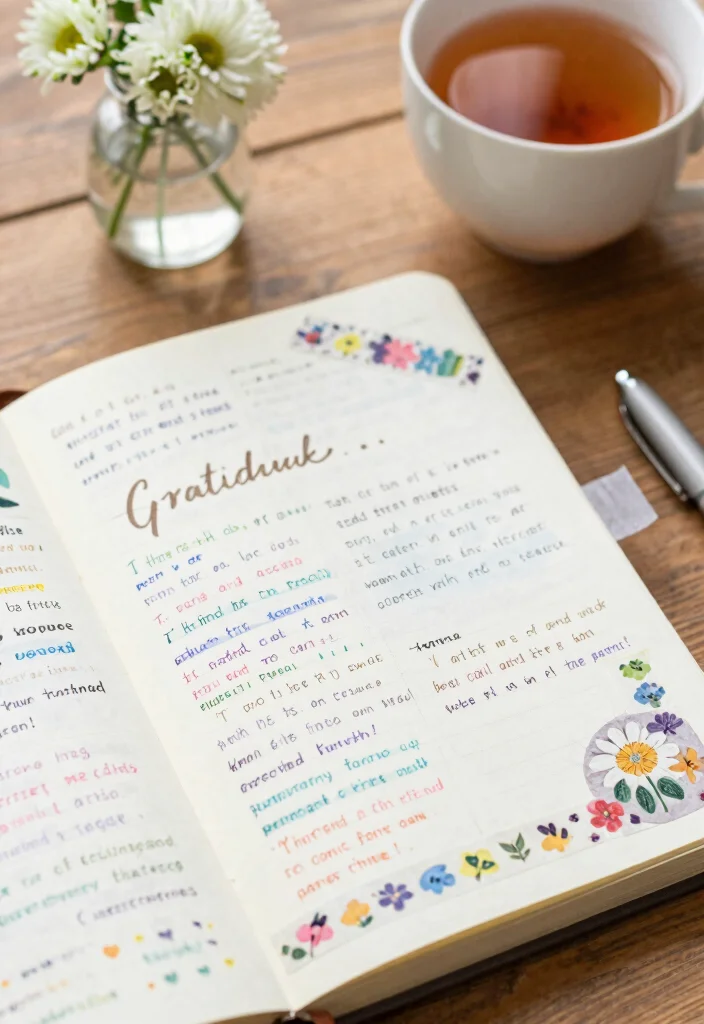
Gratitude journaling is a fantastic way to shift your perspective and appreciate the little things in life. Each day, write down three things that bring you joy, whether it’s a delicious meal or a compliment from a friend. This simple act helps you focus on what truly matters, leading to increased happiness and reduced stress.
To deepen your practice, take a moment to expand on each entry. Ask yourself why you’re grateful for these moments and how they impact your life. This reflection can enhance your awareness and positivity.
Tips for Gratitude Journaling:
– Establish a daily routine by writing at the same time.
– Be specific: rather than saying ‘my family,’ mention ‘my sister’s support during a tough week.’
– Revisit past entries to remind yourself of joyful moments.
With consistent gratitude journaling, you’ll cultivate a brighter outlook on life, fostering personal growth and resilience.
📹 Related Video: How to Start a Gratitude Journal You’ll Actually Keep


2. Daily Affirmations
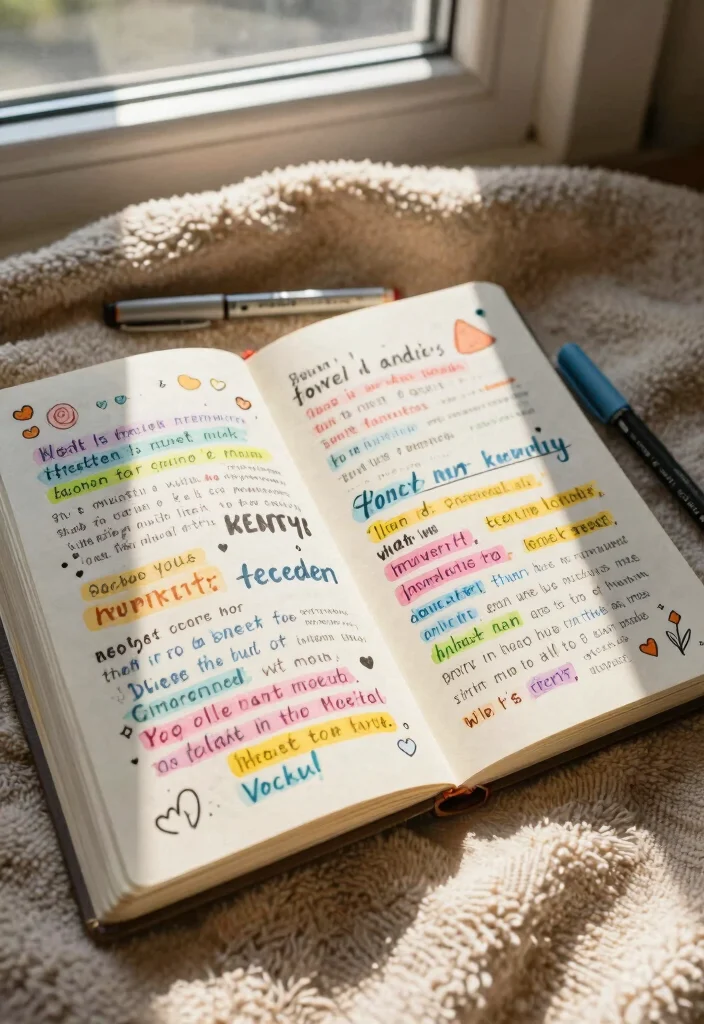
Daily affirmations are a powerful tool to foster a positive mindset and boost your confidence. Each morning, write a few affirmations, like ‘I am capable’ or ‘I deserve happiness.’ This practice can set a positive tone for your day, enhancing your self-worth and encouraging a proactive attitude.
Think about your aspirations and tailor your affirmations to align with your goals. Over time, these positive statements can reshape your thought patterns and motivate you to take meaningful action.
Creating Effective Affirmations:
– Phrase them positively and in the present tense: ‘I am successful’ rather than ‘I will be successful.’
– Make them personal: focus on what truly matters to you.
– Recite them aloud or visualize their impact to reinforce their power.
By incorporating affirmations into your journaling routine, you’ll cultivate a mindset focused on growth and positivity.

3. Mindful Reflection

Mindful reflection is an excellent way to process your daily experiences and emotions. Set aside time to write about your feelings, the challenges you faced, and the highlights of your day. This practice encourages you to stay present and helps you gain valuable insights into your emotional landscape.
As you reflect, consider what went well, what didn’t, and how you felt throughout the day. This can help you learn from your experiences and recognize patterns that influence your behavior.
Mindful Reflection Tips:
– Find a quiet space to write without distractions.
– Use prompts like ‘What made me smile today?’ or ‘What challenges did I face this week?’
– Write freely and without judgment to allow your thoughts to flow.
Dedicating time to mindful reflection can deepen your self-awareness and promote personal growth.

4. Artistic Journaling
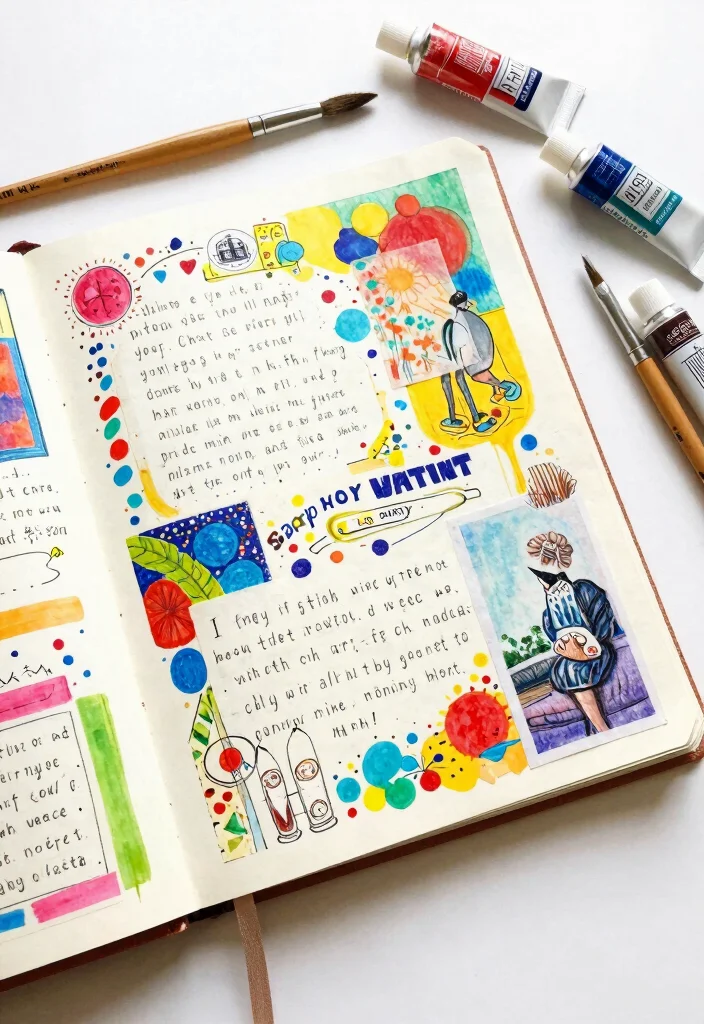
Artistic journaling combines creativity and self-expression, allowing you to express your thoughts through art. Use sketches, doodles, or collage techniques to visually represent your feelings and ideas. This approach encourages you to let go of perfection and focus on the creative process.
Incorporate colors and textures that resonate with you. The act of creating can be therapeutic, helping you discover more about yourself while enjoying the journey.
Getting Started with Artistic Journaling:
– Gather materials like colored pencils, markers, and magazines for collages.
– Create themed pages based on your emotions or experiences.
– Allow yourself to experiment and embrace mistakes.
Artistic journaling is a fun way to connect with your inner self and enjoy the creative process.
Artistic Journaling
Editor’s Choice




5. Dream Journaling

Dream journaling is an exciting way to explore your subconscious and capture fleeting dreams. Keep your journal by your bedside and write down your dreams as soon as you wake up. This practice helps preserve those vivid moments and can reveal recurring themes in your thoughts.
Over time, you might notice symbols or patterns that provide insight into your fears and desires. Plus, dream journaling can spark your creativity, as dreams often inspire unique ideas.
Steps for Dream Journaling:
– Find a comfortable space to reflect quietly on your dreams.
– Note any details, feelings, or symbols from your dreams.
– Look for patterns in your dreams over time.
This practice can enhance your self-awareness and connect you with your innermost thoughts.


6. Personal Growth Goals
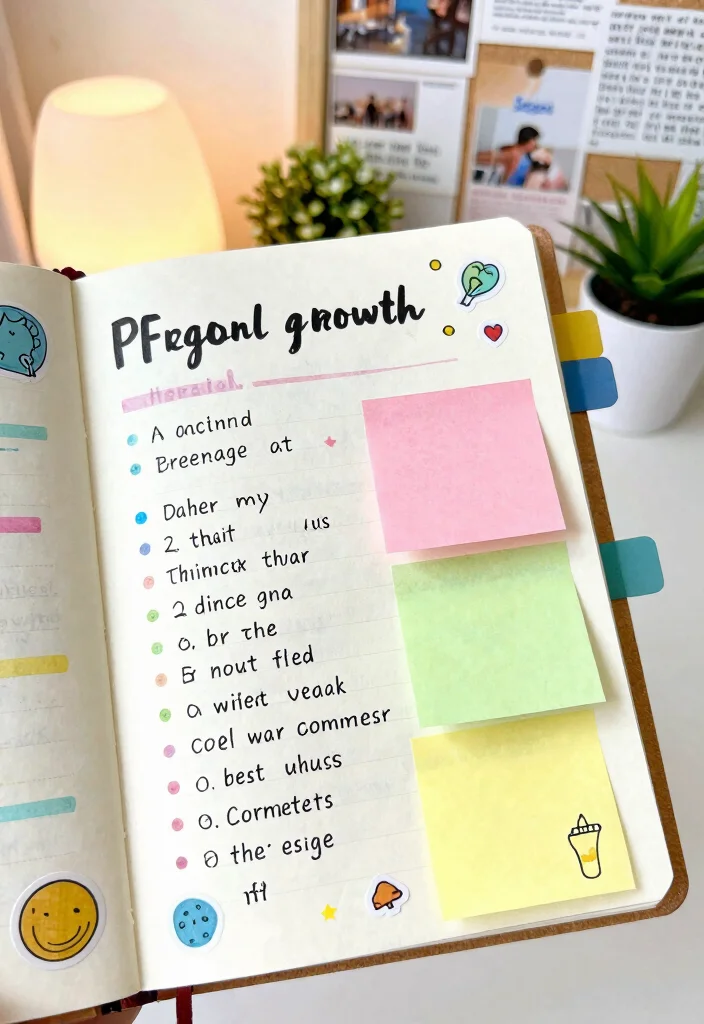
What do you want to achieve? Writing down your personal growth goals is an empowering step toward making them a reality. Break your goals into smaller, manageable steps and track your progress as you go. This not only helps you focus but also keeps you accountable.
Regularly revisiting your goals can inspire you to take action and stay motivated on your journey. It’s a great way to visualize your achievements and celebrate your progress.
Creating Your Goal Journal:
– Define clear, specific goals: instead of ‘get fit,’ write ‘exercise three times a week.’
– Set deadlines to keep yourself on track.
– Document your achievements and celebrate your milestones.
By recording your personal growth journey, you’ll gain clarity and motivation to pursue your dreams.
Personal Growth Goals
Editor’s Choice


How To Choose Personal Journal Ideas for Reflection, Growth, and Self Discovery
When it comes to journaling, finding the right approach can be a game-changer for your personal growth. The right journal idea can bring structure to your thoughts and guide you toward self-discovery. Here’s how to choose the most fitting personal journal ideas for your journey.
1. Identify Your Purpose
Before you pick a journaling style, think about what you want to achieve. Are you looking to express gratitude, reflect on your day, or explore deeper emotions? Knowing your purpose will guide you in selecting the right themes and prompts. For example, if you’re aiming for mindfulness, gratitude journaling might resonate with you more than a travel journal.
2. Consider Your Comfort Level
Be honest with yourself about what makes you comfortable in your journaling practice. If you find it hard to write about emotions, try bullet journaling or lists. If you enjoy creative expression, artistic journaling might be your go-to. It’s essential to choose a style that feels natural, as this will lead to more consistent entries.
3. Explore Different Techniques
Familiarize yourself with various journaling techniques. This can include self-reflection prompts, daily affirmations, or even dream journaling. Each method offers unique benefits. For instance, dream journaling can unlock hidden thoughts, while daily affirmations can boost your self-esteem. Try out a few techniques to see which ones resonate with you the most.
4. Set a Timeframe for Reflection
Choose how often you want to journal, whether it’s daily, weekly, or monthly. A daily practice can foster mindfulness, while weekly reflections might allow for deeper insights. For example, if you journal every Sunday evening, you can review your week and set intentions for the upcoming one. Think about what fits into your schedule and lifestyle.
5. Gather Your Tools
What materials will you use? Whether it’s a beautiful notebook, digital app, or simple pen and paper, having the right tools can enhance your journaling experience. Consider how much space you’ll need for writing or drawing. A larger sketchbook might be ideal for artistic journaling, while a compact notebook is perfect for on-the-go reflections.
6. Be Open to Change
Your journaling style may evolve over time. What works for you today may not resonate in a few months. Allow yourself the freedom to switch styles or try new prompts as you grow. For instance, if you start with gratitude journaling but find yourself wanting to explore more profound self-discovery topics, don’t hesitate to pivot.
Pro Tip: Start with a simple theme each week. For example, focus on gratitude one week, then shift to self-discovery prompts the next. This keeps your journaling fresh and exciting, while also allowing you to explore different aspects of your life.
Choosing the right personal journal ideas involves understanding your intentions, comfort level, and the tools that work for you. By being open to exploration and setting clear goals, you can create a meaningful journaling practice that fosters reflection, growth, and self-discovery. Happy journaling!


7. Self-Discovery Prompts
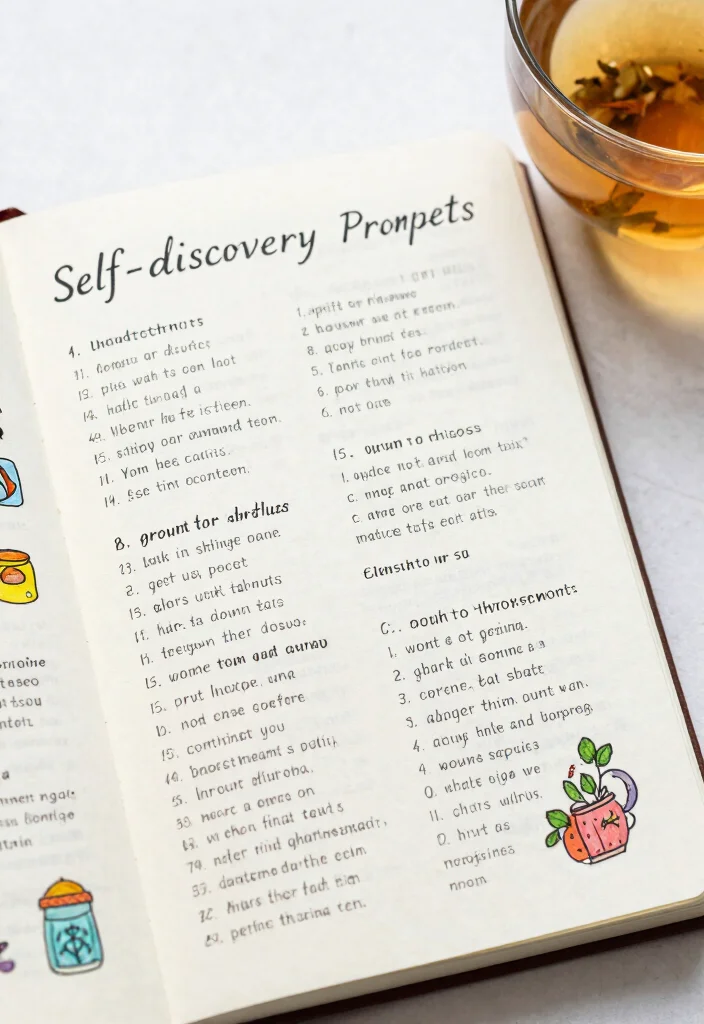
Self-discovery prompts are powerful tools for introspection and personal insight. Use questions like ‘What am I passionate about?’ or ‘What fears hold me back?’ to delve deeper into your thoughts. These prompts can lead to valuable realizations and personal growth.
Set aside time each week to explore one prompt at a time. Write freely and let your thoughts flow without self-censorship. This practice can lead to significant breakthroughs in your understanding of yourself.
Effective Self-Discovery Prompts:
– ‘What does my ideal day look like?’
– ‘What beliefs limit my potential?’
– ‘What legacy do I want to leave behind?’
Engaging with these prompts regularly can strengthen your connection with yourself and encourage meaningful personal growth.


8. Nature Journaling
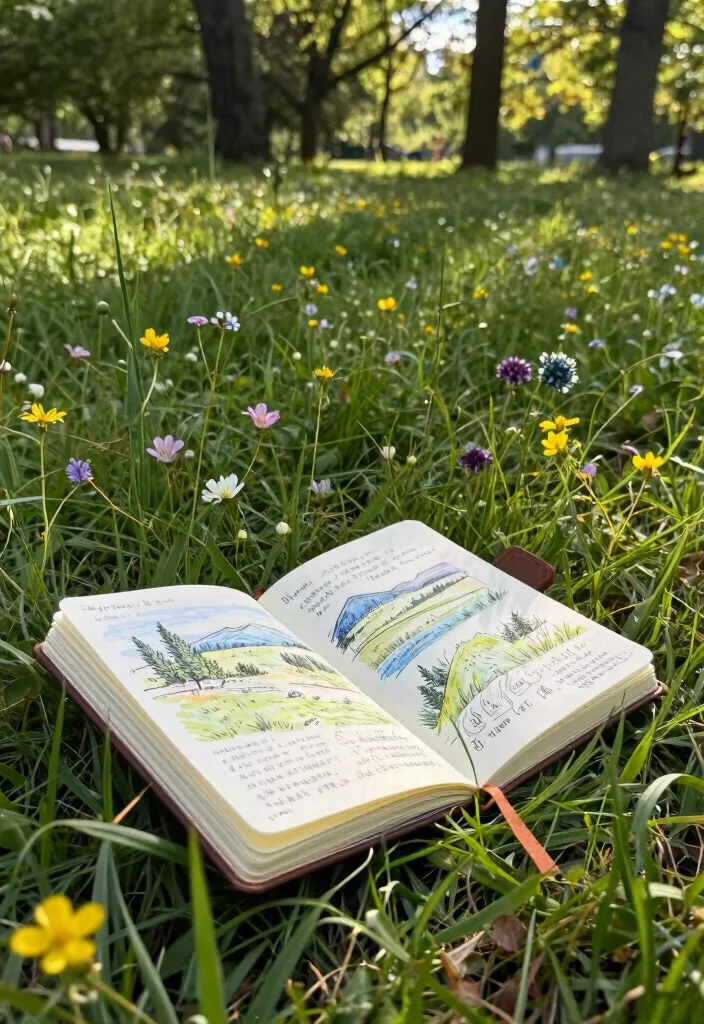
Nature journaling invites you to immerse yourself in the great outdoors. Whether you’re at a park, hiking, or relaxing in your backyard, take your journal along. Sketch the scenery, jot down your observations, and describe the sounds, smells, and feelings you experience in nature.
This practice enhances mindfulness and fosters gratitude for your surroundings. It’s a wonderful way to relax, clear your mind, and ignite your creativity.
Tips for Nature Journaling:
– Choose a specific spot and visit it regularly to observe changes.
– Include sketches, pressed leaves, or flowers to enrich your entries.
– Use descriptive language to capture the essence of your environment.
Nature journaling can deepen your appreciation for the world around you and your place in it.
Nature journaling is one of my go-to personal journal ideas—grab your notebook and head outside to sketch. Note the sounds, scents, and your mood, then jot one thing you’re grateful for; mindfulness and creativity will follow.


9. Resilience Journaling
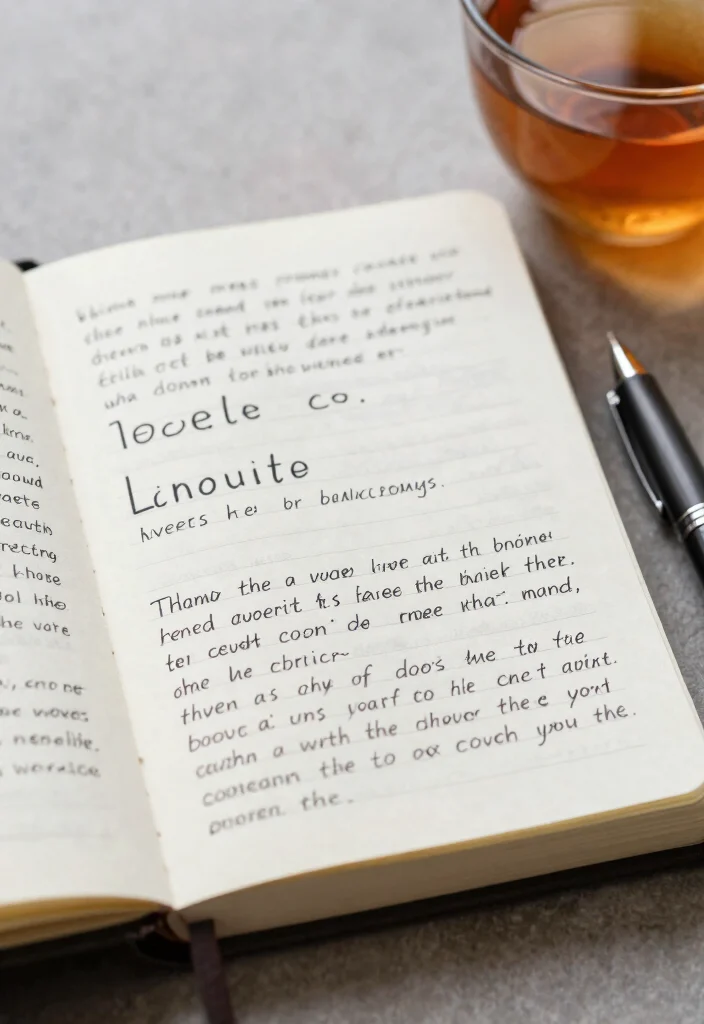
Resilience journaling focuses on capturing your challenges and how you’ve overcome them. Writing about your struggles can be healing, helping you process emotions and reflect on your growth. This practice encourages you to recognize your strengths in adversity.
Use prompts like ‘What have I learned from my failures?’ or ‘How have I bounced back from tough times?’ to guide your writing. This reflection can bolster resilience and foster a positive mindset.
Resilience Journaling Techniques:
– Record challenges and how you responded to them.
– Write letters to your past self about your journey.
– Celebrate your victories, no matter how small.
This approach empowers you to face future challenges with confidence and strength.
Resilience Journaling
Editor’s Choice



10. Monthly Reflections
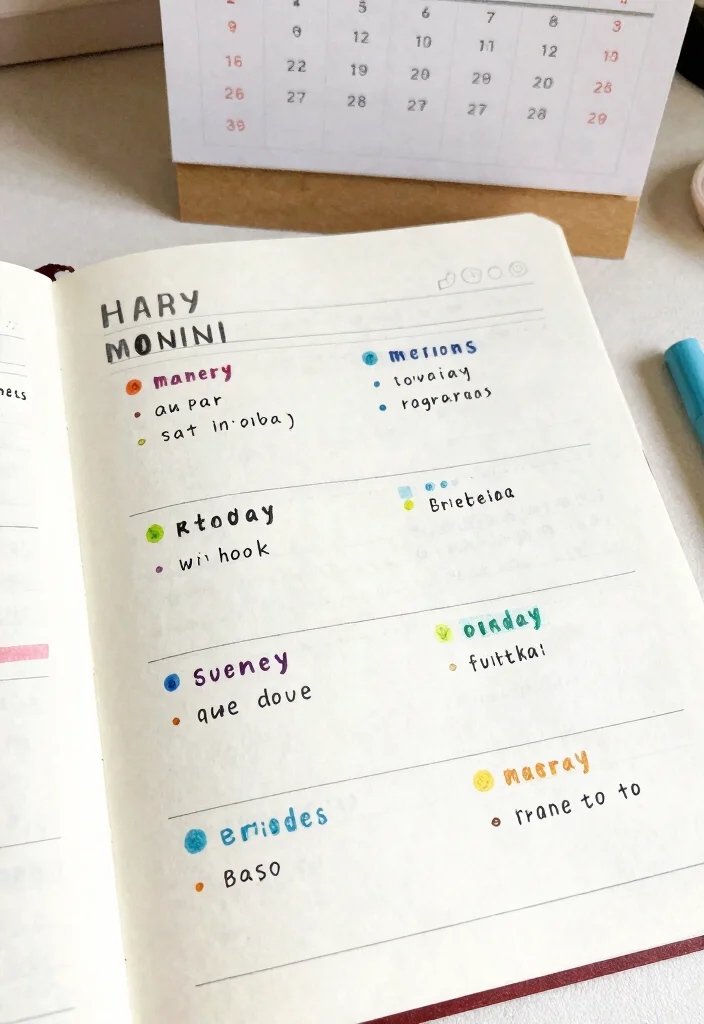
Each month, take a moment to reflect on your experiences and growth. What lessons did you learn? What were the highlights? Monthly reflections provide a chance to celebrate your progress and identify areas for improvement.
Create a structured format for these reflections, including sections for achievements, challenges, and lessons learned. This practice can help you set intentions for the upcoming month and keep you aligned with your personal growth journey.
Format for Monthly Reflections:
– Monthly highlights
– Notable challenges
– Learning experiences
– Goals for next month
By consistently engaging in this practice, you’ll cultivate a habit of self-reflection that enhances your journey.
Did you know 60% of people who write monthly reflections gain clarity on goals within two weeks? In your personal journal ideas, dedicating 10 minutes to review achievements, challenges, and lessons learned can boost consistency and progress.


11. Travel Journaling
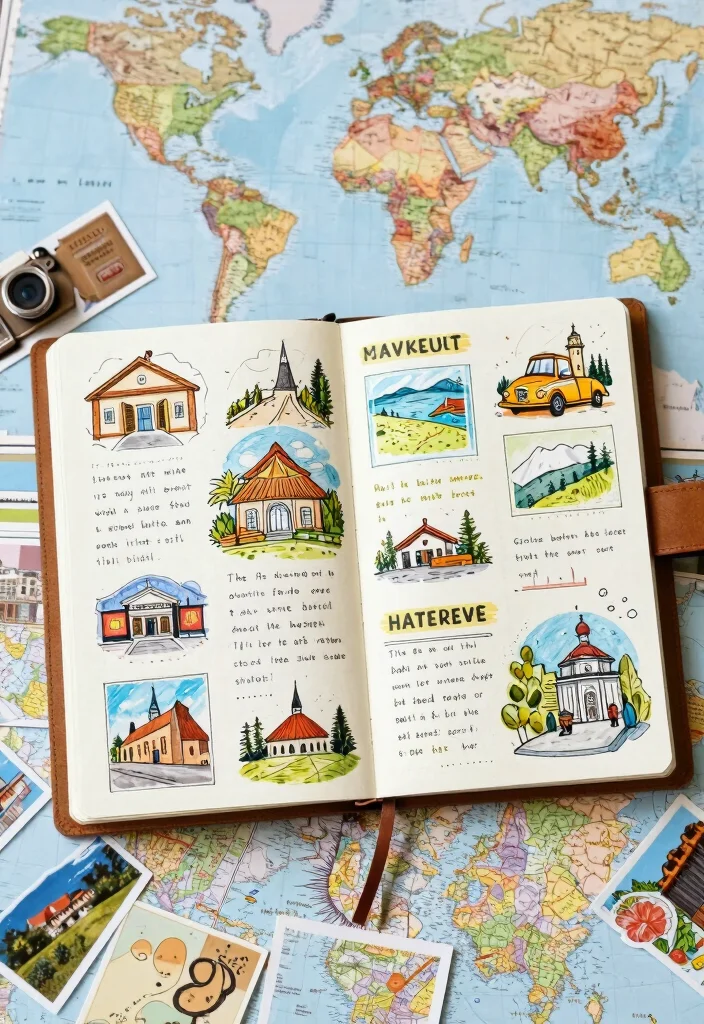
Travel journaling is a wonderful way to document your adventures and the memories you create while exploring new places. Think of it as a scrapbook for your thoughts, experiences, and emotions during your travels. Writing about your journeys helps you appreciate each experience and reflect meaningfully on them.
Include details about the people you met, the food you savored, and the lessons you learned along the way. This practice not only preserves memories but also deepens your connection with the places you visit.
Travel Journal Tips:
– Write daily or as often as possible to capture moments as they happen.
– Incorporate sketches, ticket stubs, or postcards to enhance your entries.
– Reflect on how each trip has impacted your personal growth.
Travel journaling weaves storytelling and personal reflection into your adventures, enriching your experiences.
Travel Journaling
Editor’s Choice




12. Vision Board Journaling
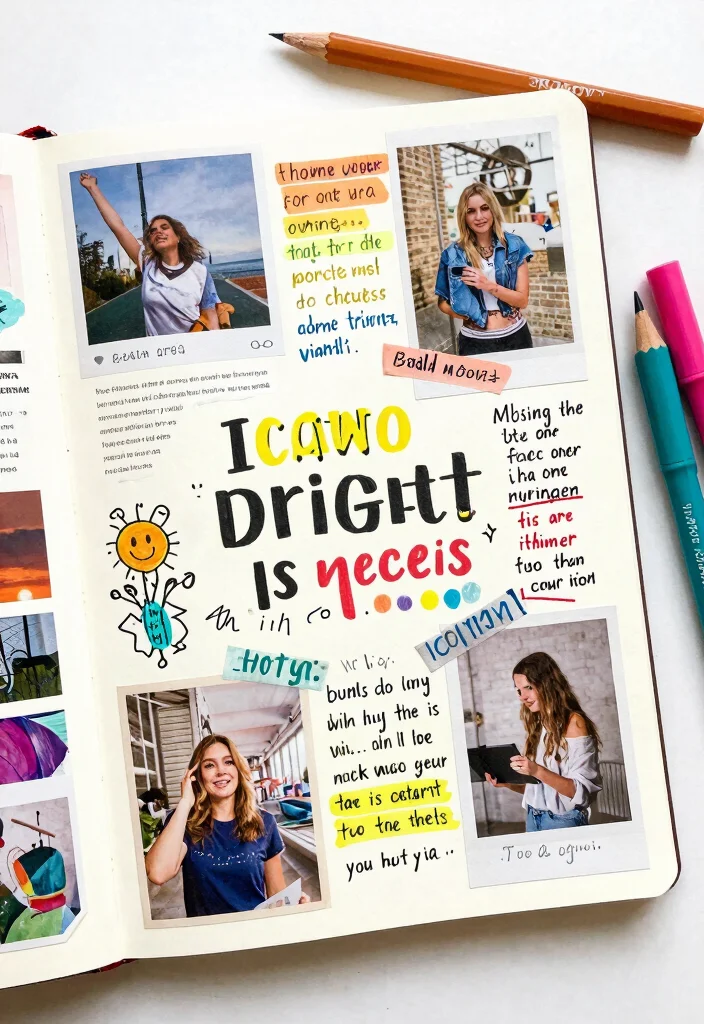
Vision board journaling merges the visual impact of vision boards with the reflective power of journaling. Create a visual representation of your goals and dreams on one page, accompanied by written reflections on what each goal means to you. This creative approach makes your aspirations more tangible and actionable.
Use cut-outs from magazines, printed images, or your own drawings to depict your desires. Pair these visuals with motivational phrases or affirmations that resonate with your vision. This practice encourages you to visualize your future while providing space for thoughtful reflection.
Starting Your Vision Board Journal:
– Dedicate a page to each goal or life area, like career, health, and relationships.
– Use colors and images that inspire you.
– Revisit and update your vision board as your dreams evolve.
This creative approach fosters clarity and motivation, helping you stay focused on your aspirations.
Vision board journaling makes your goals feel true, not just a wish. When you pair images with journal reflections, daily actions align with your dreams, turning ideas into tangible steps. Start small today, and watch your personal journal ideas become your reality.
Vision Board Journaling
Editor’s Choice




Conclusion
Journaling is a beautiful journey of self-exploration, offering countless ways to reflect, grow, and uncover your true self. By incorporating these 12 personal journal ideas into your routine, you’ll cultivate a richer understanding of your thoughts and feelings. Remember, there’s no right or wrong way to journal; it’s all about what resonates with you. So grab that pen and let your thoughts flow onto the pages, creating a vibrant tapestry of your personal growth journey.
Note: We aim to provide accurate product links, but some may occasionally expire or become unavailable. If this happens, please search directly on Amazon for the product or a suitable alternative.
This post contains Amazon affiliate links, meaning we may earn a small commission if you purchase through our links, at no extra cost to you.
Frequently Asked Questions
What are practical personal journal ideas for reflection, growth, and self-discovery?
These practical ideas blend mindful journaling with actionable steps you can start today. Try a quick ‘Today I noticed’ entry to train attention, a ‘Growth check-in’ to rate progress and note what helped, and a self-discovery prompts like ‘What belief would I let go of today?’ or ‘What would my future self thank me for?’ Mix in a simple creative writing exercise, such as a one-page scene about a challenge you faced, to practice perspective. Use a few journaling techniques like bullet journaling for structure or free writing for flow. End with a short mindfulness journaling note—observe thoughts without judgment and write a plan for tomorrow. For more ideas, you can explore the 12 Personal Journal Ideas in this article to choose a theme that resonates.
How can journaling techniques enhance mindfulness and personal growth?
Start with one technique you enjoy—bullet journaling, free writing, or prompted journaling. In mindfulness journaling, use prompts like ‘What am I feeling right now?’ and ‘What sensations do I notice in my body?’ Then write for 5–10 minutes, without judging. Rotate self-reflection prompts to explore values, boundaries, and goals. Track patterns over a week and adjust activities that support growth. Pair journaling with a short mindful breath exercise before writing to center attention. By combining journaling techniques with intentional reflection, you build consistency and see real personal growth.
What self-reflection prompts can jump-start a daily journaling routine?
Try a set of easy prompts to begin: ‘What did I notice about my thoughts today?’ ‘What am I grateful for right now?’ ‘What small act of courage did I show today?’ ‘What belief would I question or let go of?’ ‘What is one personal growth activity I completed today?’ Then set a timer and write for 3–5 minutes, or pick one prompt per day and rotate. Keep it simple to form a sustainable habit and gradually deepen your self-discovery journey with self-reflection prompts.
Which creative writing exercises help with mindful journaling and self-discovery?
Creative writing is a powerful ally for mindful journaling. Try these: ‘Letter to my future self’ writing a note dated months ahead; ‘Inner dialogue’ between your rational side and your fear; ‘5-sense scene’ describing a moment with sight, sound, touch, taste, and smell; ‘Micro-fiction’ about a personal challenge to explore meaning; ‘Doodle-to-text’ where a doodle sparks a short prose piece. Do one exercise per week, set a 15–30 minute limit, and reflect on what the piece reveals about values and goals. These activities translate insights from journaling techniques into concrete personal growth activities.
What simple personal growth activities can I add to a journaling routine to stay motivated?
Keep motivation high by weaving quick personal growth activities into your habit: set a weekly growth intention and outline 2 actions to pursue; log one concrete progress update each day; celebrate a small win with a brief gratitude note; pick a monthly theme (like ‘clarity’ or ‘courage’) and collect evidence in your journal; end the week with a ‘lessons learned’ recap and one next-step for the coming week. Pair these with mindfulness journaling to notice progress in real time, and revisit the 12 Personal Journal Ideas to keep things fresh.
Related Topics
personal journal ideas
mindfulness journaling
self-reflection prompts
creative writing exercises
personal growth activities
journaling techniques
easy journaling
beginner friendly
daily reflection
self-discovery tools
intention setting
mindful practices