


Creating a daily log or writing notes can often feel overwhelming. You might find yourself with scattered thoughts and papers, or maybe you’re just not sure where to start. That’s why I put together this post on 10 ruled journal ideas that can help you get organized. Journaling is a fantastic way to channel your thoughts, track your progress, and even spark your creativity. It can become more than just writing; it can be a tool for reflection and growth.
If you’re someone who loves to keep things neat and tidy, or if you simply want a way to document your life, this post is for you. Whether you’re a student, a busy professional, or a creative soul, you likely care about staying organized and inspired. I’ve pulled together ten unique journal ideas that are practical, engaging, and perfect for daily logs or writing notes. Each idea is designed to help you maintain a sense of order while also unleashing your creativity.
You’ll discover methods for tracking your days, expressing gratitude, and planning meals—all while enjoying the process of journaling. These ideas will not only help you stay organized but also make writing a more enjoyable experience. So grab your favorite ruled journal and let’s dive into these creative and effective journaling tips that will transform your notes into a work of art!
Key Takeaways
– Daily Logs with a Time Tracker: Keep track of your daily activities and time spent to improve productivity and reflection on how you use your day.
– Gratitude and Reflection Prompts: Foster a positive mindset by writing down what you’re grateful for and reflecting on your experiences regularly.
– DIY Habit Tracker: Monitor your habits effectively by creating a visual tracker that keeps you motivated and accountable for your goals.
– Creative Writing Prompts Section: Stimulate your imagination with prompts that inspire you to write freely and explore different styles of creative expression.
– Project Planning Pages: Organize your projects with dedicated pages that outline tasks, deadlines, and progress to keep everything on track.
1. Daily Logs with a Time Tracker
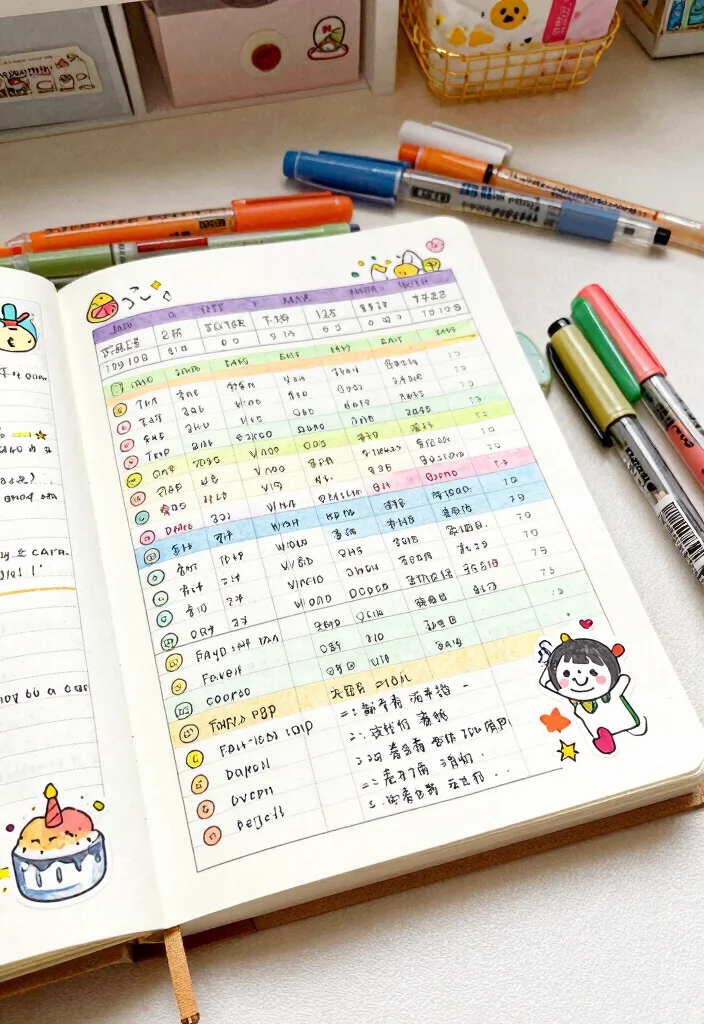
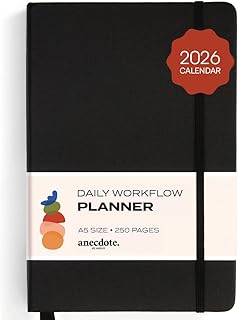
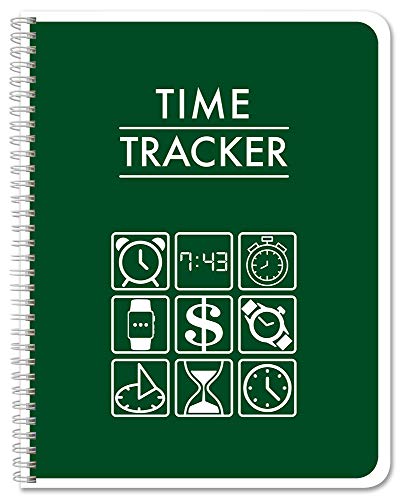
Imagine starting each day with a clear plan that keeps you on track. A daily log paired with a time tracker can transform your organization skills. Jotting down tasks and assigning time slots not only helps you visualize your day but also boosts your productivity. Try using vibrant colors to differentiate tasks or doodle time bubbles as you go along.
To make your time tracker effective:
– Segment tasks into 30-minute intervals for better manageability.
– Employ washi tape to create a lively time-blocking area.
– Use icons or stickers to symbolize different task types.
With these additions, your daily log will be both organized and visually captivating!
Daily Logs with a Time Tracker
Editor’s Choice







2. Gratitude and Reflection Prompts
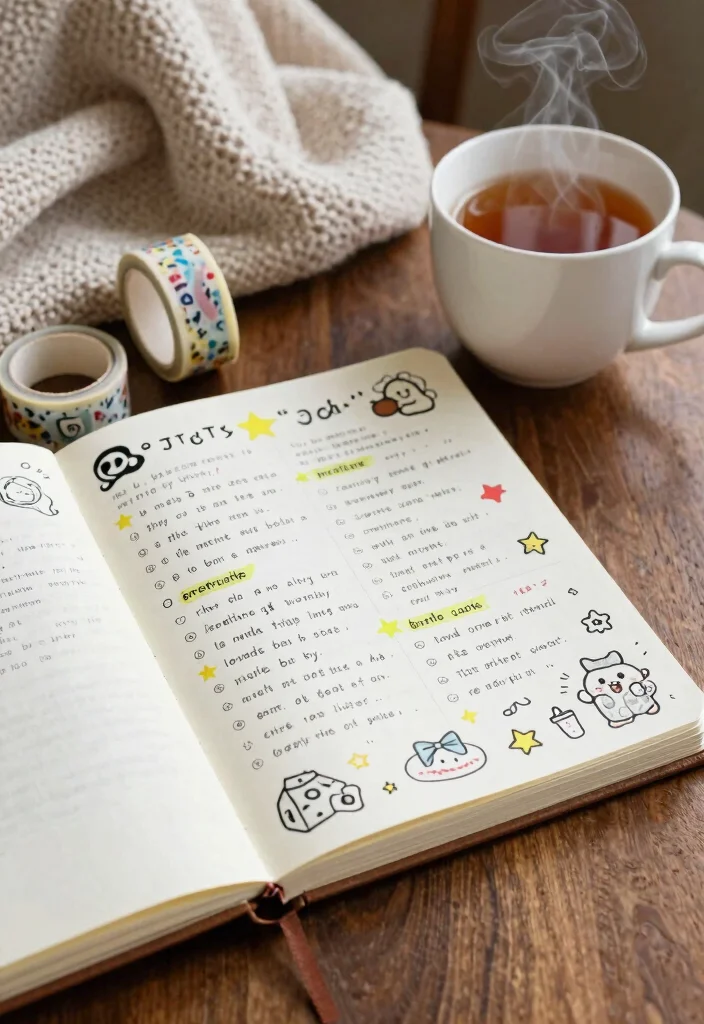
Creating a gratitude and reflection space in your journal is a wonderful way to nurture positivity. This practice invites you to appreciate life’s little moments. Begin each entry with ‘Today I am grateful for…’ followed by three specific points. This method not only fosters a positive mindset but also serves as a valuable reflection tool. Enhance your notes with decorative washi tape or colorful stickers for added flair.
Try these daily reflection prompts:
– What was the best part of my day?
– What obstacles did I overcome?
– How did I spread kindness today?
These prompts will keep you grounded and promote gratitude, making each journaling experience truly special!
Gratitude and Reflection Prompts
Editor’s Choice


3. DIY Habit Tracker
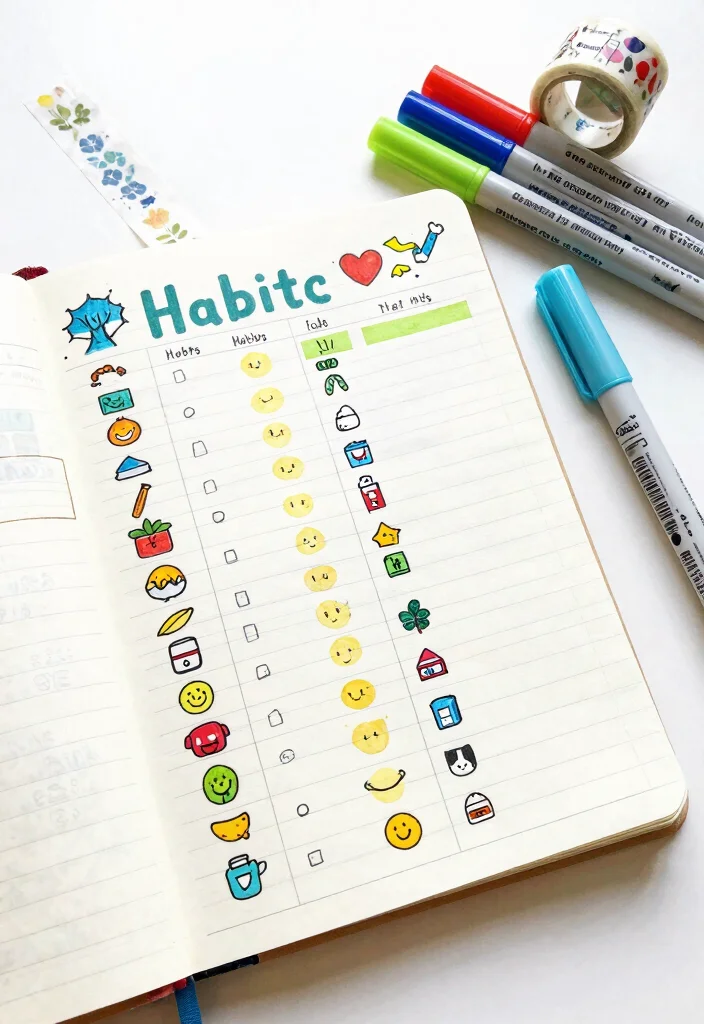
Tracking your habits can significantly enhance your personal growth, and a DIY habit tracker makes it enjoyable! Design a colorful spread where each habit is represented by a unique icon or color. For instance, if you’re monitoring your water intake, craft a droplet icon to color in for every glass consumed. This visual tracking offers quick insights into your progress.
Tips for crafting your habit tracker:
– Use a key to represent each habit clearly.
– Choose a layout that inspires you, whether floral or geometric.
– Focus on a few habits to prevent feeling overwhelmed.
Engaging with your tracker daily not only motivates you but also adds a beautiful visual element to your journal!
Fun fact: Tracking habits with a DIY habit tracker makes progress feel visible—study-like results show a 30% faster adherence in the first month. Sketch a color key, color in each win, and watch momentum grow.
DIY Habit Tracker
Editor’s Choice



4. Creative Writing Prompts Section
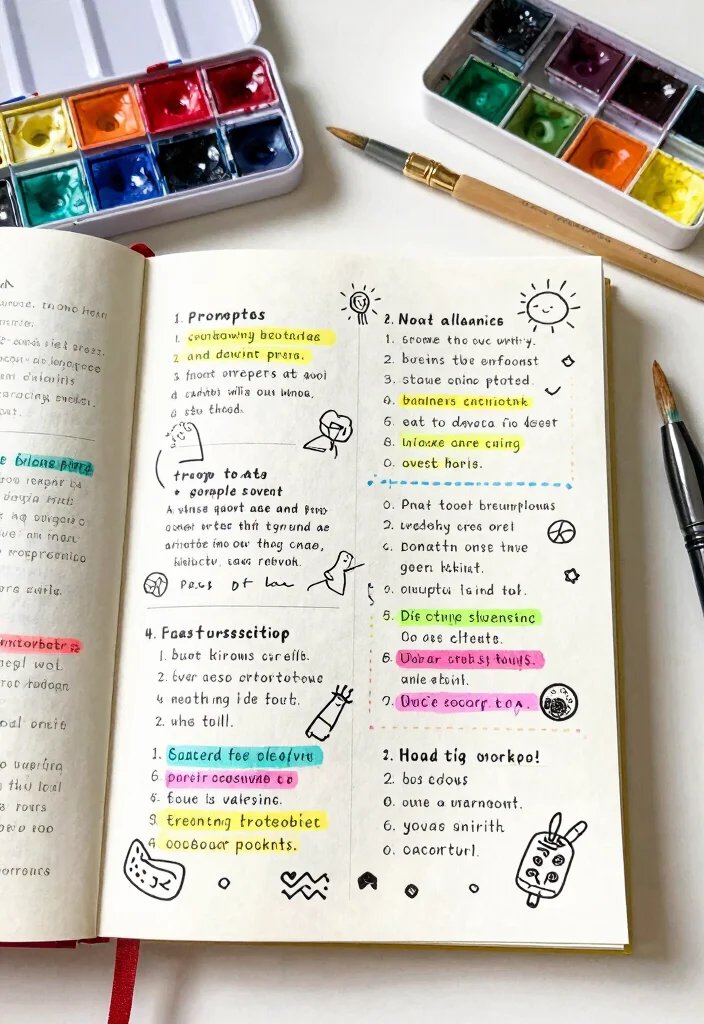
A section dedicated to writing prompts can spark your creativity and help conquer writer’s block. Set aside pages for prompts that ignite your imagination, ranging from intriguing questions to whimsical scenarios. Consider including prompts like ‘Write a letter to your future self’ or ‘Describe your ideal vacation.’ This section can transform your journal into a hub of creativity!
To maximize your writing prompts:
– Leave space next to each prompt for notes or ideas.
– Implement a themed color-coding system for different writing styles.
– Set a timer for 10-15 minutes for rapid writing sessions.
With this structured approach, your journal evolves into both an organized space and a canvas for your creative thoughts!

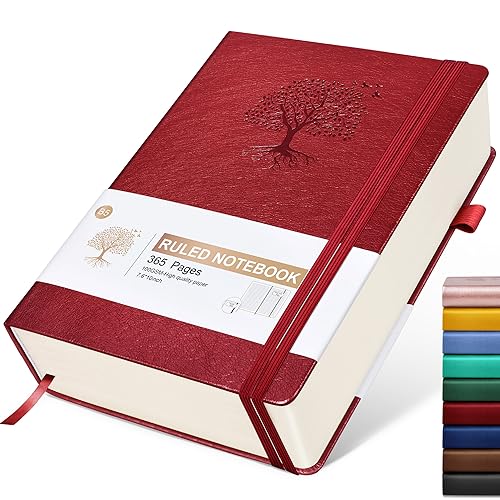

How To Choose The Right Ruled Journal
Choosing the perfect ruled journal can greatly enhance your journaling experience. With so many options available, it’s essential to consider various factors to find the one that suits your needs best. Here’s how to make an informed choice:
1. Size Matters
Consider the size of the journal based on your writing habits. Do you prefer something compact for on-the-go notes, or do you want a larger page for detailed entries? A standard size, like A5 (5.8 x 8.3 inches), is great for everyday use while larger formats, like A4 (8.3 x 11.7 inches), allow for more writing space. Keep in mind that smaller journals fit easily in bags but may limit your writing space.
2. Paper Quality
The type of paper used in your journal can impact your writing experience. Look for thicker paper, ideally 100gsm or more, if you plan to use markers or fountain pens. This prevents bleed-through and allows for smoother writing. If you prefer to draw or color, opt for higher-quality paper that can handle various mediums without tearing.
3. Binding Type
The binding affects how well the journal lies flat. Consider options like spiral-bound, which can lay completely open, or stitched binding for a more classic look and durability. If you want to add or remove pages easily, go for a disc-bound system. Each binding type has its benefits, so choose based on your personal preferences.
4. Cover Material
The cover of your journal protects your pages and can influence its aesthetic appeal. Leather covers offer durability and a classic look, while soft covers are lightweight and often more affordable. Some journals come with hard covers which provide better protection but add weight. Think about where and how you’ll use it to select the right cover material.
5. Page Layout
Ruled journals can feature different layouts. Some have traditional lines, while others offer dot grids or blank pages. If you like to doodle or create layouts, a dot grid might be ideal. For straightforward writing, lined pages are the way to go. Evaluate how you intend to use the journal to pick the most suitable layout for your style.
6. Budget
Set a budget before you start shopping. Journals can range from very affordable to quite expensive depending on the brand, materials, and features. Don’t forget to factor in the number of pages as well; a journal that costs more but lasts longer may be a better investment than a cheaper option that runs out quickly.
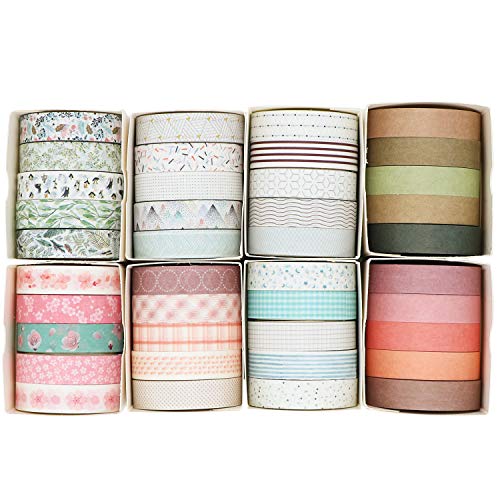
Pro Tip: When you find a journal that resonates, make sure to personalize it. Add stickers, washi tape, or drawings. This not only makes it unique but also enhances your motivation to use it regularly. A journal that feels personal encourages you to write more, aiding in your organization and creativity!


5. Vision Board Pages
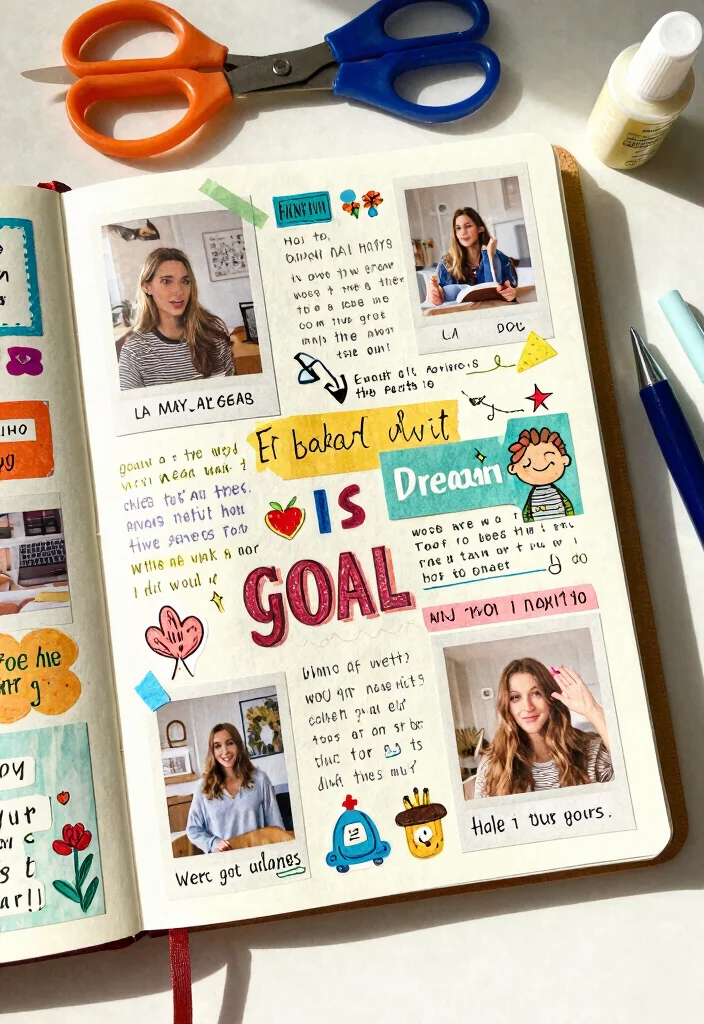
Creating vision board pages in your journal is an inspiring way to merge organization with creativity. Use these pages to visually outline your goals and dreams. Cut out magazine images, use printouts, or draw your aspirations to create a stunning visual display that reminds you of your objectives.
Steps to create your vision board pages:
– Start with a central theme or goal, branching out with related images and words.
– Use glue and scissors for a collage effect that brings your vision to life.
– Add color with markers and decorative elements from your stationery collection.
By revisiting your vision board regularly, you’ll boost your motivation and maintain a focused mindset!
Vision boards turn big dreams into doable steps—one collage at a time. Hang yours in your journal and watch goals become daily reminders you actually act on.


6. Monthly Overview and Goals
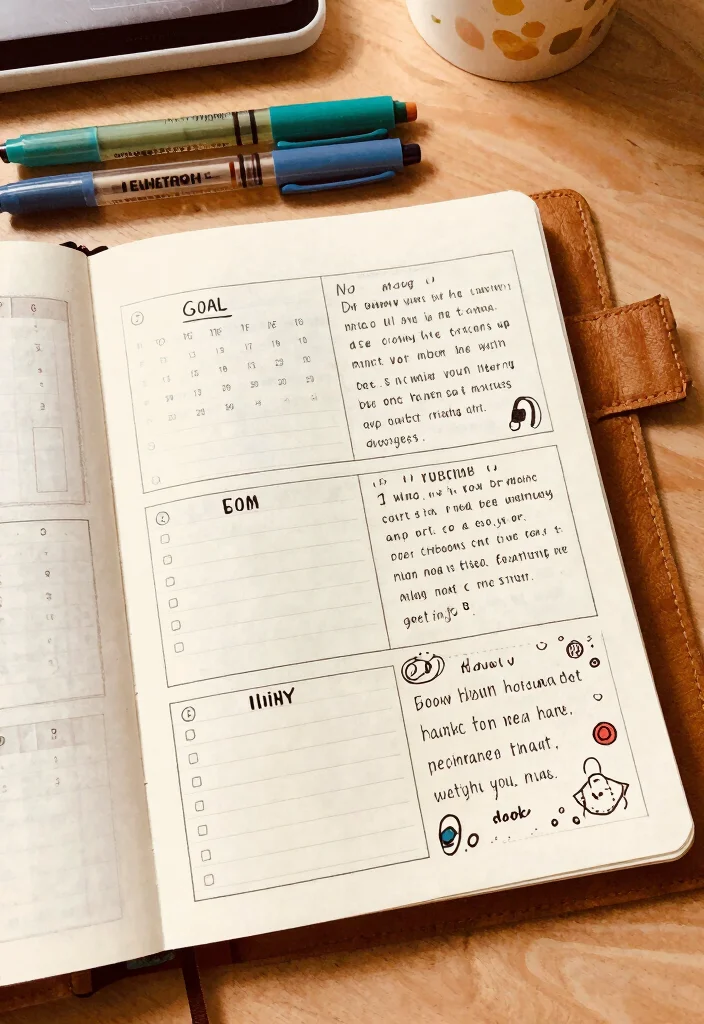
A monthly overview is essential for effective planning, and your ruled journal is the ideal canvas. Dedicate a double-page spread to outline your monthly goals, significant dates, and key tasks. With this layout, you’ll have a clear visual of your month, making it easy to track your progress.
Key features to include in your monthly overview:
– A calendar format for important dates.
– Space to establish goals and monitor your achievements.
– A section for motivational quotes or affirmations to keep you inspired throughout the month.
This technique not only boosts organization but also serves as a beautiful reminder of your dreams and accomplishments!
Monthly Overview and Goals
Editor’s Choice

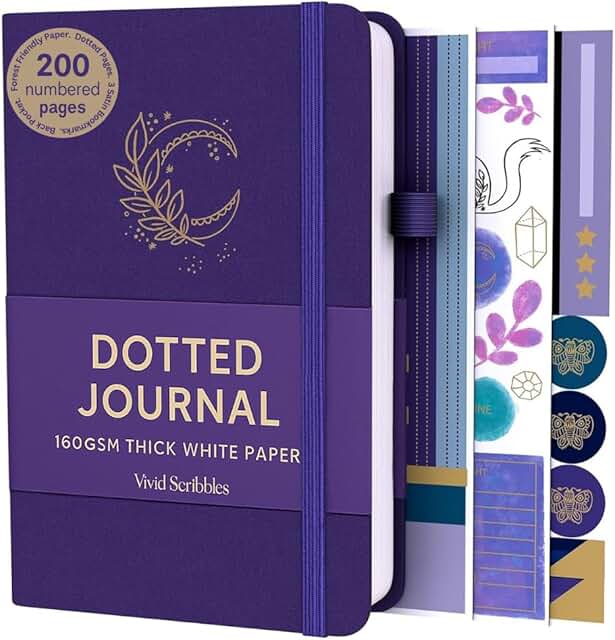

📹 Related Video: Setting My Monthly Goals #julyreset #organizedlife
7. Meal Planning Pages
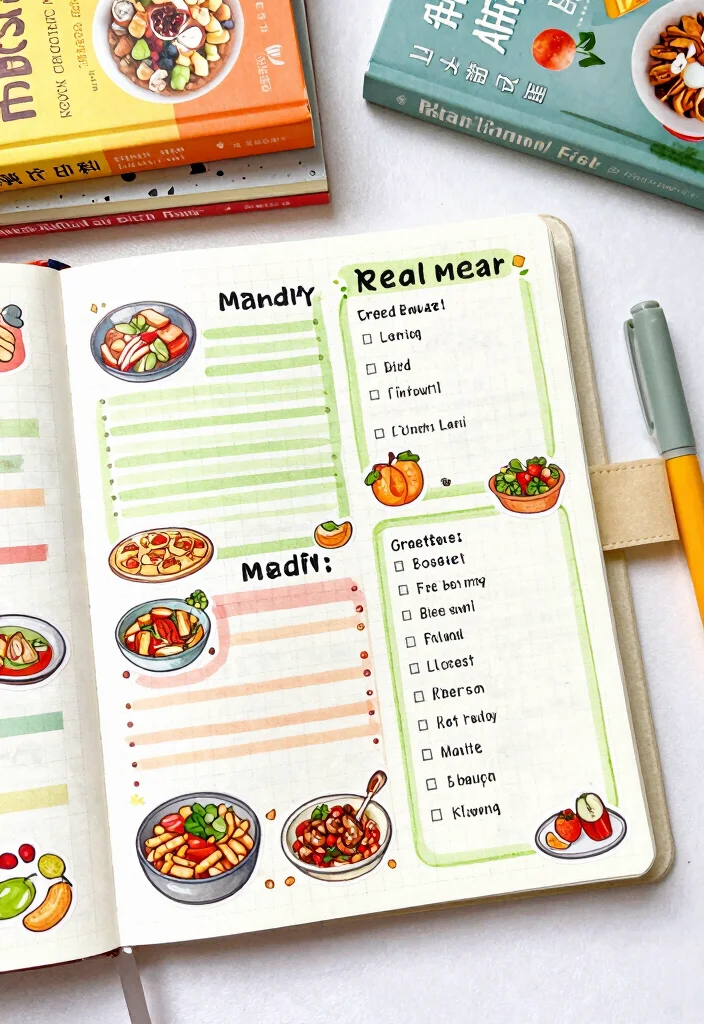
If you enjoy cooking or need to maintain a diet, meal planning pages in your journal are incredibly handy. These pages help lay out your meals for the week, simplifying grocery shopping. Create sections for breakfast, lunch, dinner, and snacks, complete with a shopping list for convenience.
Make meal planning enjoyable:
– Use fun icons to represent different meals.
– Design a colorful layout with stickers and washi tape.
– Include a section for recipe ideas that inspire you throughout the week.
This approach keeps you organized while adding a creative touch to your culinary adventures!
❝ Fun fact: Using ruled journal ideas for meal planning cuts weekly grocery trips by 30%, because you map breakfasts, lunches, dinners, and snacks with a single page. Start with a colorful layout and a simple shopping list. ❞
8. Travel Journal with a Bucket List
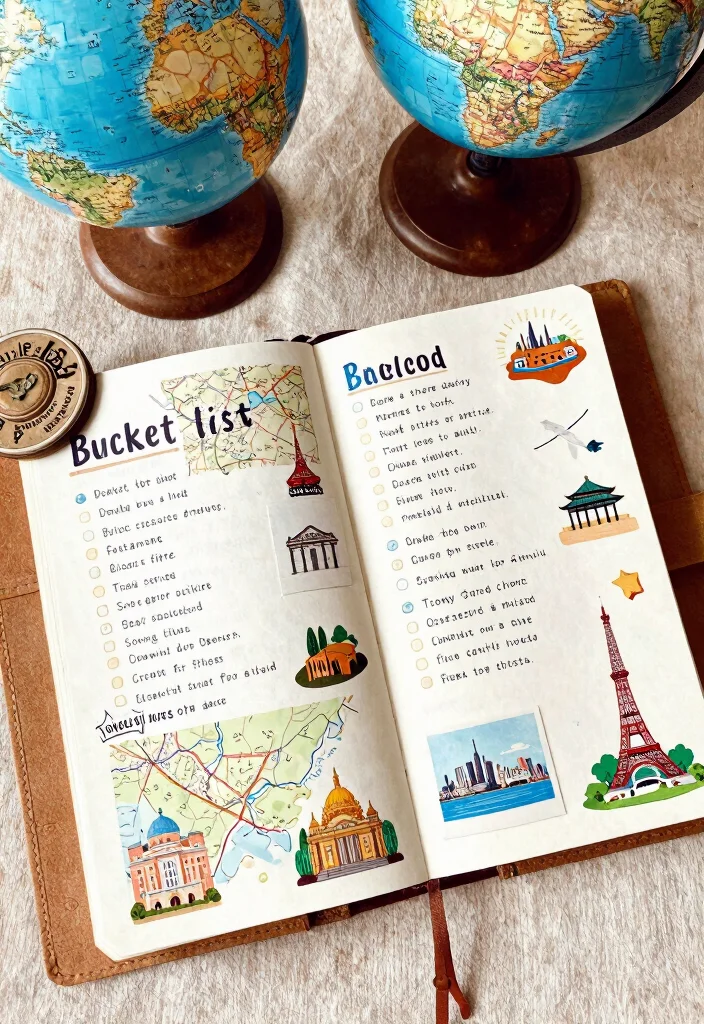
A travel journal is a fantastic way to document your adventures, and adding a bucket list elevates the excitement. Allocate pages for each journey, including itineraries, places you’ve visited, and memorable experiences. The bucket list section can be filled with your dream destinations, fueling your wanderlust.
To create your travel journal:
– Include maps, tickets, and keepsakes from your travels.
– Use a mix of colors and stickers to represent different locations.
– Reflect on your experiences to cherish the memories.
With this method, your journal becomes a treasure trove of stories and visuals from your travels!
9. Mindfulness and Meditation Pages
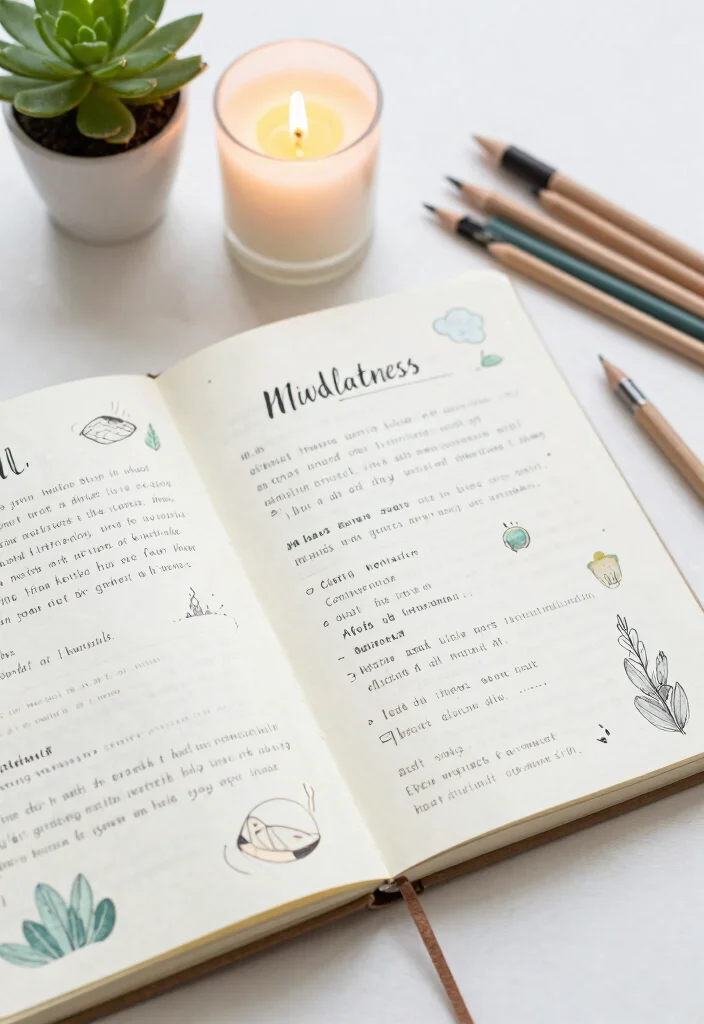
Incorporating mindfulness into your journaling practice offers a grounding experience. Dedicate pages for meditation notes and mindfulness exercises, allowing you to cultivate inner peace. Document reflections on your thoughts, feelings, and experiences during meditation sessions. You can add guided meditation notes or daily affirmations to enrich your practice.
Enhance your mindfulness journal:
– Create sections for various meditation techniques.
– Use calming colors and doodles to promote relaxation.
– Include quotes that resonate with your journey.
This practice will deepen your mindfulness while creating a beautiful, peaceful space in your journal.
10. Project Planning Pages
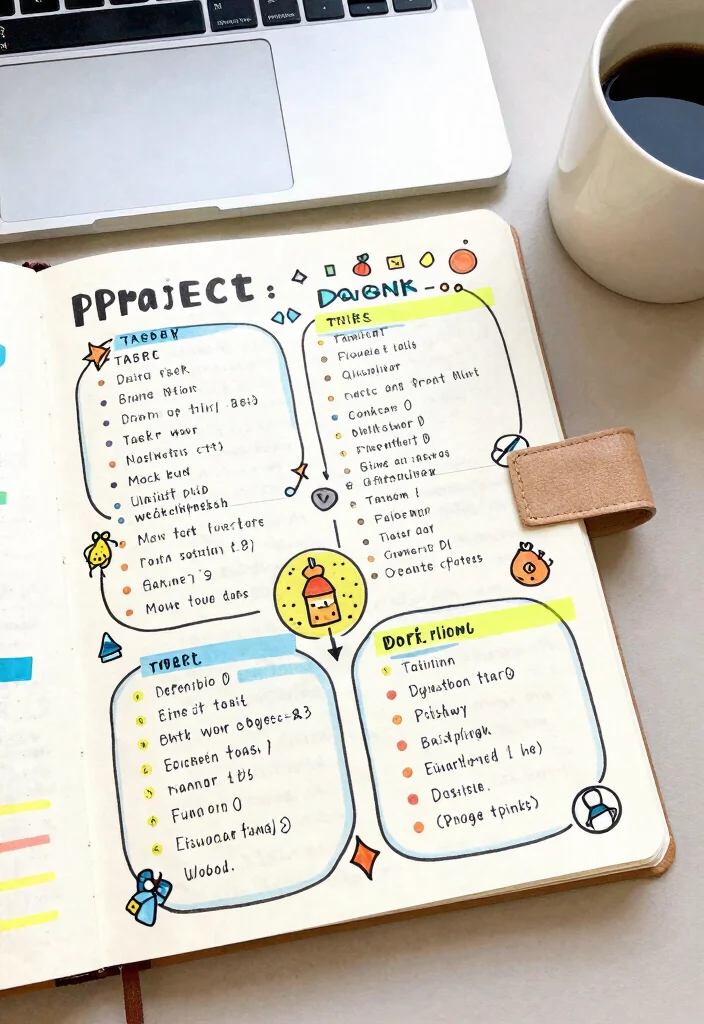
Whether for work or personal projects, dedicated planning pages in your journal are essential. Organize your project ideas, brainstorming notes, and timelines all in one place. This keeps everything clear and visually engaging, allowing you to track your project’s progress easily.
Important components for effective project planning:
– Create a mind map or flowchart to visualize the project components.
– Outline tasks and deadlines with bullet points.
– Add sections for notes and spontaneous ideas as they arise.
With this straightforward layout, you’ll not only stay organized but also feel excited about your project’s potential!
Project Planning Pages
Editor’s Choice


Conclusion
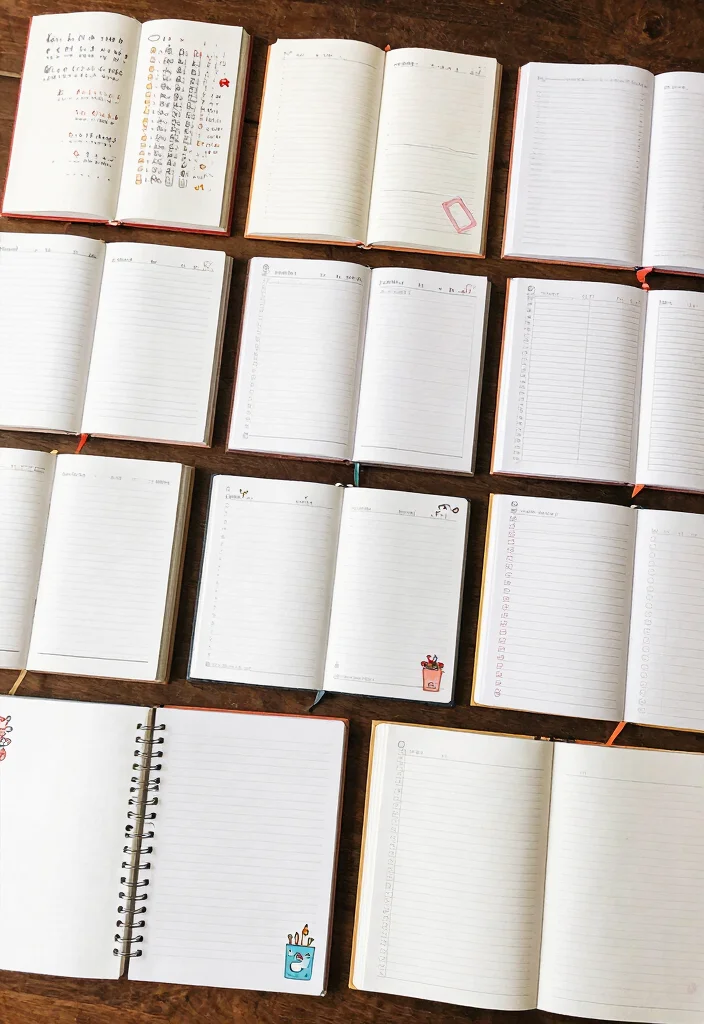
These ten ruled journal ideas offer a wealth of inspiration and creativity to transform your writing experience.
With every page, you can express yourself while staying organized, making journaling not just a task but an enjoyable ritual. Whether you explore daily logs, gratitude, or project planning, the possibilities are endless. So grab your favorite pens and start crafting your unique journaling adventure today!
Note: We aim to provide accurate product links, but some may occasionally expire or become unavailable. If this happens, please search directly on Amazon for the product or a suitable alternative.
This post contains Amazon affiliate links, meaning we may earn a small commission if you purchase through our links, at no extra cost to you.
Frequently Asked Questions
What are some practical ruled journal ideas for organized writing notes and daily logs?
Here are practical ruled journal ideas to help you organize writing notes and daily logs using a DIY planning mindset.
Try dedicated sections for each purpose: a daily log, a creative writing prompts page, a project tracker, and a reference library for organization hacks that work for you. Use consistent margins and ruled pages to keep everything neat. Create a simple index and color-code sections to quickly flip to what you need.
Pair each idea with the right layout: a two-page daily log spread, a weekly spread for daily log ideas, and a small scratch pad for journaling tips you can reuse. Combine with DIY journal projects like customized dividers or tabs to keep it fun and functional.
How can I use bullet journal techniques to turn a ruled notebook into a daily log and project tracker?
Start with a simple Bullet Journal setup in your ruled notebook: an index, a key for symbols, a future log, and then daily logs. For daily log ideas, try a quick two-line entry: date and one task, plus one reflection. Add a project tracker page to monitor milestones—that’s a great organization hack. Use a weekly spread to review progress and migrate unfinished tasks. For the DIY touch, create DIY journal projects like laminated tabs or pocket dividers to keep sections neat and accessible.
These elements work together to keep your notes organized and easy to navigate.
What are some journaling tips and creative writing prompts to keep ruled journal ideas engaging?
Keep your ruled journal ideas engaging with a rotating mix of creative writing prompts and practical journaling tips. Try prompts like ‘Describe today in five senses,’ ‘What would this moment look like from another character’s view?’ or ‘What small win did I have today?’ Use tips like setting a timer for 5–10 minutes, writing first, then reviewing, and reserving space for quick doodles. These habits fuel consistent entries and keep your ruled journal ideas lively.
What easy DIY journal projects can enhance organization hacks in a ruled journal?
Easy DIY journal projects to boost organization hacks in your ruled journal include add-on dividers, color-coded tabs, pocket inserts, laminated planning sheets, and decorative covers. Use washi tape to create borders, stamp or stencil headers for each section, and punch holes to fit a binder-style notebook if you want extra flexibility. These DIY journal projects empower you to organize notes and daily logs with style.
They also offer a fun way to personalize your layout while keeping everything in its place.
How can I build sustainable daily log ideas and keep my ruled journal organized over time?
To build sustainable daily log ideas and keep your ruled journal organized over time, start with a simple cadence: daily logs, weekly reviews, and monthly reflect pages. Maintain an index for quick navigation, color-code sections for organization hacks, and regularly migrate incomplete tasks to the next period. End each month with a quick recap and a fresh daily log ideas page to kick off the new cycle. This balance of routine and creativity keeps ruled journal ideas practical and enjoyable.
Related Topics
ruled journal ideas
bullet journal techniques
journaling tips
daily log ideas
DIY journal projects
creative writing prompts
organization hacks
beginner friendly
easy layouts
creative planning
customizable journals
themed spreads