


Tracking your goals, habits, and daily progress can often feel overwhelming, especially when you have so much going on. That’s why I created this post. I wanted to share practical ideas that make tracking enjoyable and effective. Whether you’re striving for personal growth or just trying to manage your daily tasks, having a creative way to monitor your progress can make a big difference.
If you’re someone who loves DIY projects, journaling, or just trying to improve your life, this post is for you. You might be someone who wants to set clear goals or keep yourself accountable for your habits. Either way, I’ve compiled a list of 14 tracking journal ideas that are fun, inspiring, and perfect for anyone looking to enhance their daily routine.
By the end of this post, you’ll have a treasure trove of creative tracking journal ideas at your fingertips. You’ll discover how to set goals, monitor your habits, and reflect on your progress daily. Get ready to transform your journaling experience into a powerful tool for self-improvement!
Key Takeaways
– Learn how to create a Monthly Habit Tracker to visualize your progress and stay accountable.
– Discover the importance of a Goal Setting Page that helps you define and prioritize your objectives clearly.
– Find a simple approach to Daily Journaling Space where you can jot down thoughts, feelings, and events from your day.
– Explore the benefits of a Mood Tracker to help you understand your emotions and their triggers better.
– Uncover methods for maintaining a Gratitude Log, which can boost your overall happiness and perspective on life.
1. Monthly Habit Tracker
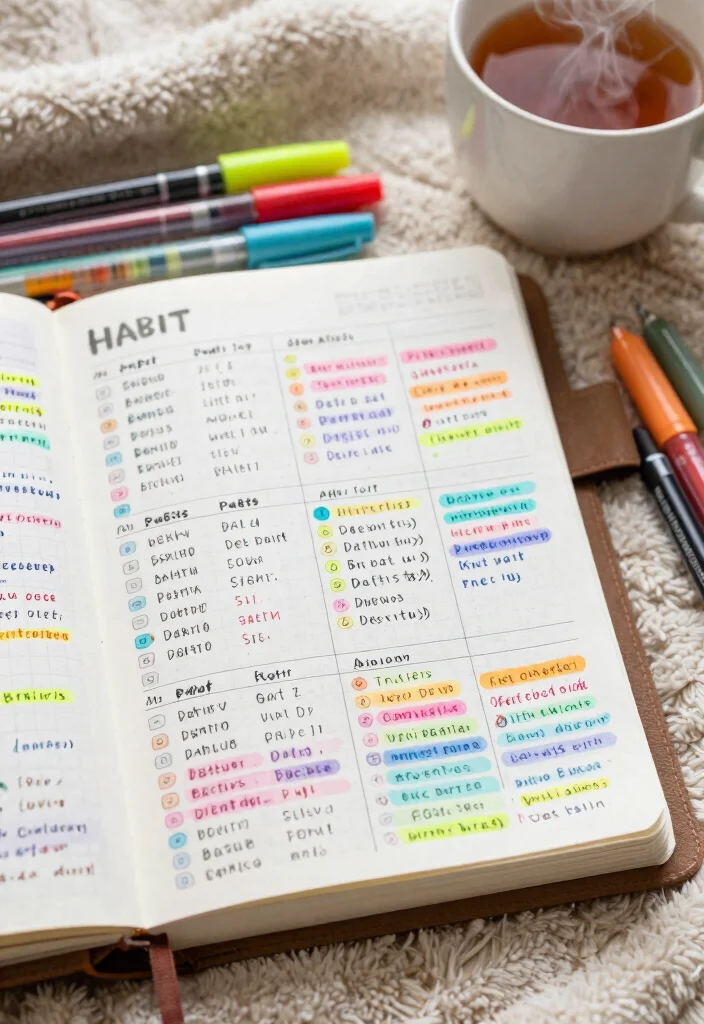
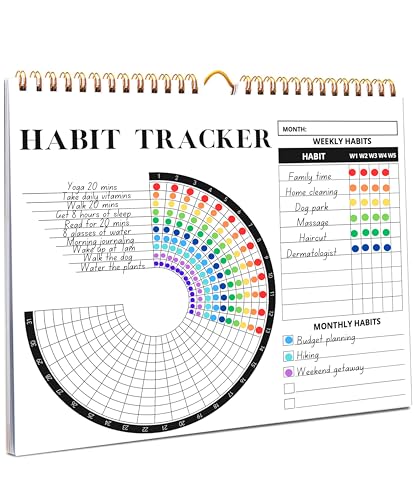
Are you striving to build consistent habits in your daily life? A monthly habit tracker can be your best ally, providing a clear visual of your progress over the month. This straightforward layout makes it easy to see which habits you’ve nailed and where you might need a little more effort.
Start by creating rows for each habit and columns for the days of the month. Use vibrant colors to represent different habits, adding a fun pop to your tracker! You could also incorporate stickers to make it more personalized and engaging.
Here are some ideas to enhance your habit tracker:
– Choose unique colors for each habit to boost enjoyment.
– Add motivational quotes or sketches for inspiration.
– Reflect at the month’s end to evaluate successes and challenges.
Filling in your tracker daily can ignite your motivation and keep you committed. Tracking habits like hydration, exercise, or reading will help you stay accountable!
Monthly Habit Tracker
Editor’s Choice





📹 Related Video: How to Make Habit Trackers You’ll Actually Use



2. Goal Setting Page
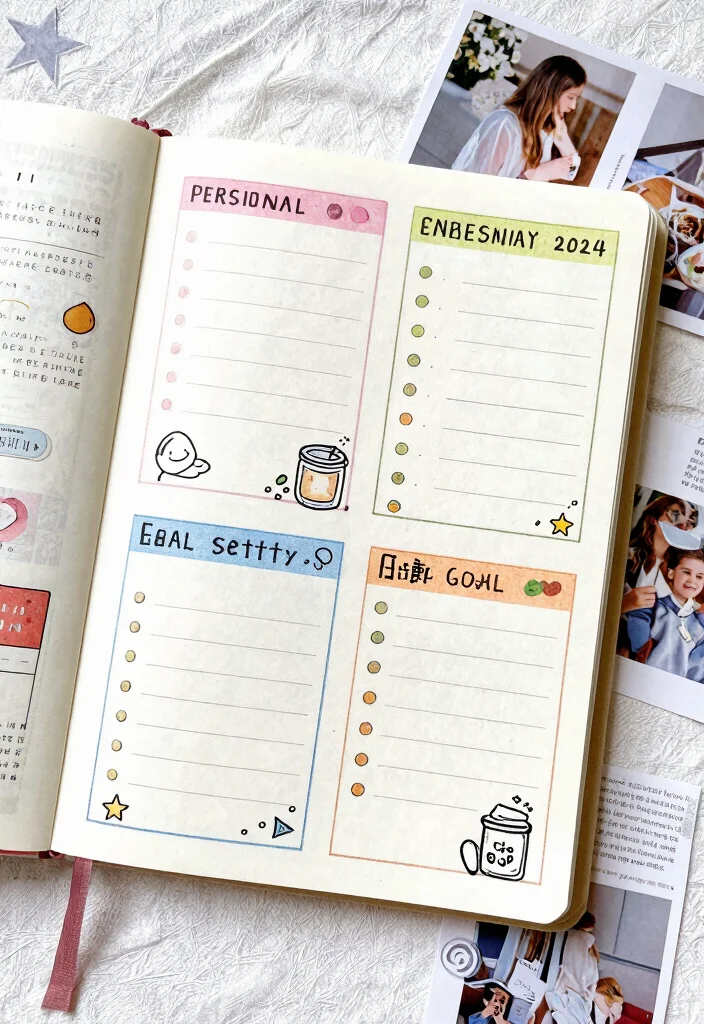
Ready to turn your dreams into actionable plans? A goal-setting page is essential for breaking down your aspirations into achievable steps. This organized approach makes it easier to prioritize what matters most to you.
Consider using mind maps or bullet points to clearly outline your goals. By categorizing them into personal, professional, or health sections, you can maintain clarity and focus throughout your journey.
Here are some tips for an effective goal-setting page:
– Write down each goal in specific and clear terms.
– Divide larger goals into smaller, actionable steps.
– Use visuals to spark motivation and creativity.
Regularly reviewing your goals can keep you accountable and allow you to adjust as needed. Remember, consistent small actions can lead to significant changes in your life!
Goal Setting Page
Editor’s Choice


3. Daily Journaling Space
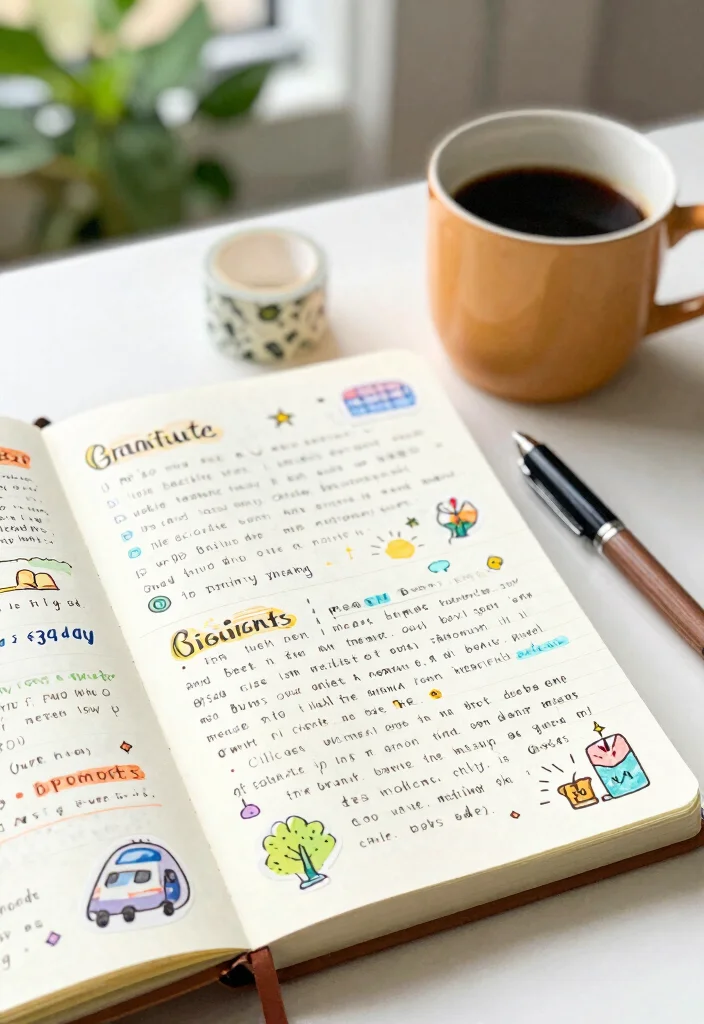
Do you want a space to express your thoughts and reflect on your day? Establishing a daily journaling area in your bullet journal can be a therapeutic outlet for your feelings and experiences. You can create beautiful layouts that capture your daily essence.
Choose a simple format like listing three things you’re grateful for or opt for prompts like ‘What inspired me today?’ to spark your creativity. This flexibility allows you to personalize your journaling experience.
Consider these ideas for your journaling space:
– Include photos, stickers, or drawings to bring your entries to life.
– Dedicate a section for affirmations that uplift your spirits.
– Experiment with different writing styles to keep it fresh.
This practice not only tracks your emotional journey but also nurtures your creativity over time.


4. Mood Tracker
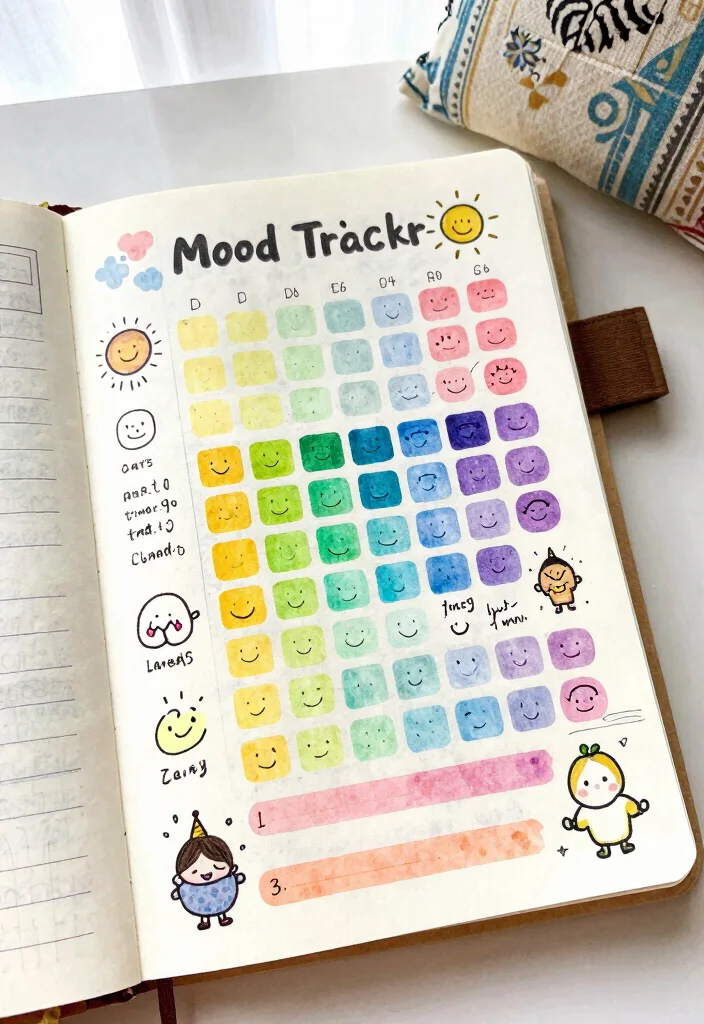
Curious about your emotional patterns? A mood tracker is a fun and insightful way to visualize your feelings throughout the month. By identifying mood triggers, you can gain a deeper understanding of your emotional landscape.
Create a color-coded chart where each hue represents a different mood, like happy, sad, or anxious. Adding emojis or drawings can make your tracker visually appealing and engaging.
To make your mood tracker effective:
– Keep it simple; the key is consistency.
– Look back at your moods weekly to spot patterns.
– Include a section for thoughts to explore deeper emotions.
This practice helps you develop emotional awareness and enhances your understanding of yourself.
Fun fact: tracking journal ideas for mood can reveal patterns you’d miss in a diary—most people spot triggers after just two weeks. Create a color-coded chart and add emojis to make your mood map easy and fun to read.

5. Gratitude Log
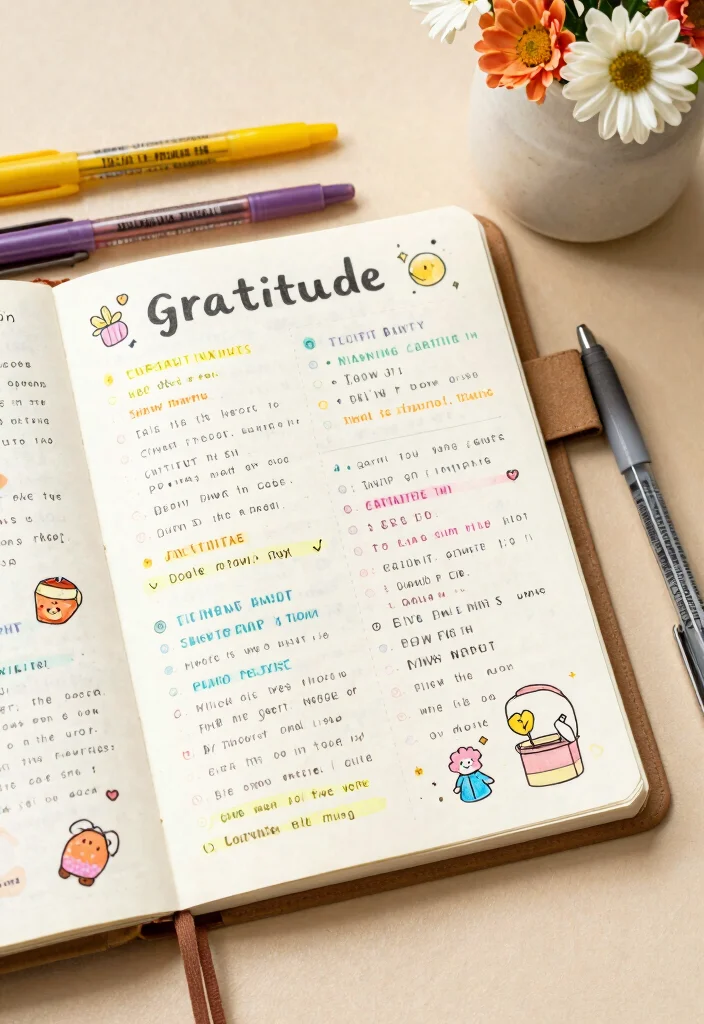
Want to cultivate a positive mindset? A gratitude log in your bullet journal can significantly boost your mood and mindfulness. This simple yet powerful practice encourages you to appreciate the little things in life.
Set up your gratitude log by jotting down a few things you appreciate each day. You might also reflect on why these things matter to you, adding a deeper layer to your gratitude practice.
Try these ideas to enrich your gratitude log:
– Use colorful pens to highlight meaningful entries.
– Add doodles or photos related to your gratitude topics.
– Reflect weekly on how gratitude shifts your perspective.
This log not only elevates your mood but also fosters a habit of appreciation that can transform your outlook on life.
Fun fact: Keeping a gratitude log can boost mood by up to 12-15% within a week, because naming small joys trains your brain to notice positives. Try jotting 3 things daily and note why they matter.


6. Fitness Tracker
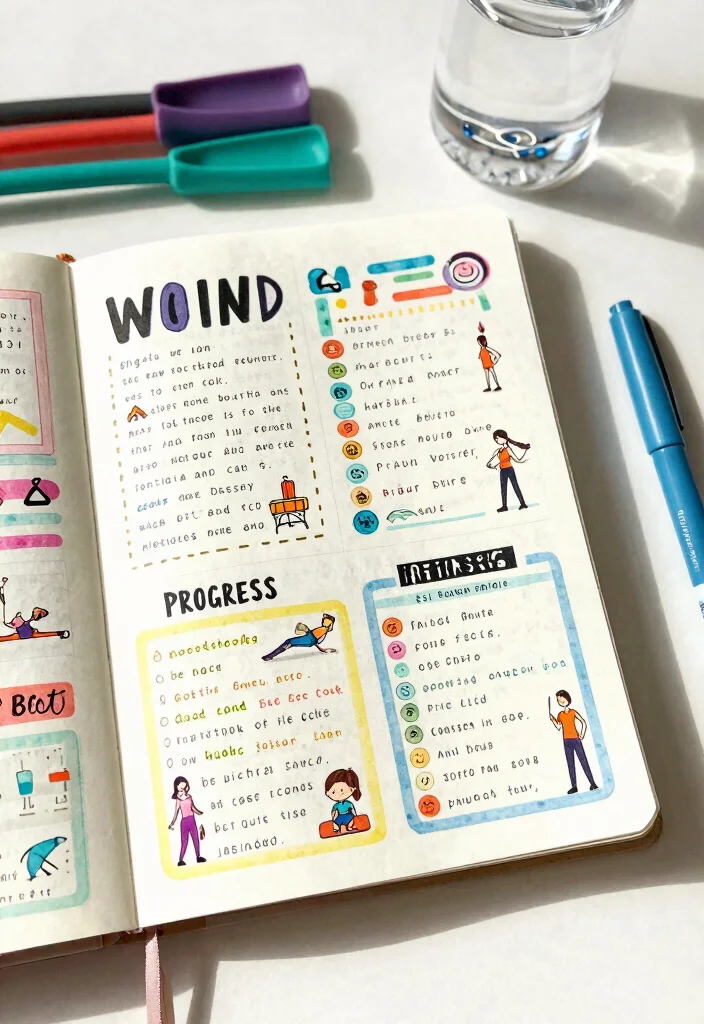
Are you ready to take charge of your fitness journey? A fitness tracker in your bullet journal can keep you motivated and focused on your health goals. It’s a fantastic way to monitor your workouts and progress effectively.
Customize your fitness tracker by including sections for cardio, strength training, or flexibility exercises. Use fun icons to represent different activities, making it visually enjoyable to maintain.
Here are some features to include:
– A weekly workout overview with space for notes.
– Monthly goals for miles run, weights lifted, or classes attended.
– Inspirational quotes to keep your spirits high.
Updating your tracker regularly will inspire you to stick to your exercise routine and celebrate your achievements!
Fun fact: people who log workouts in a tracking journal ideas boost consistency by up to 30% in 6 weeks. Include cardio, strength, and flexibility sections, and watch motivation rise as you log progress daily.
Fitness Tracker
Editor’s Choice


![SAMSUNG Galaxy FIT 3 [2024] 1.6](https://m.media-amazon.com/images/I/517dEn58PHL._AC_UY218_.jpg "14 Tracking Journal Ideas for Goals, Habits, and Daily Progress 35")
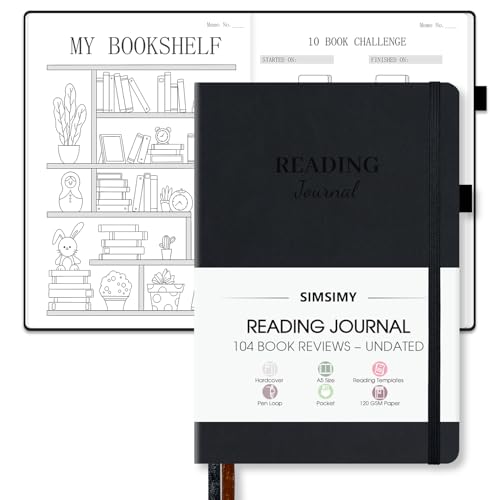
7. Reading Log
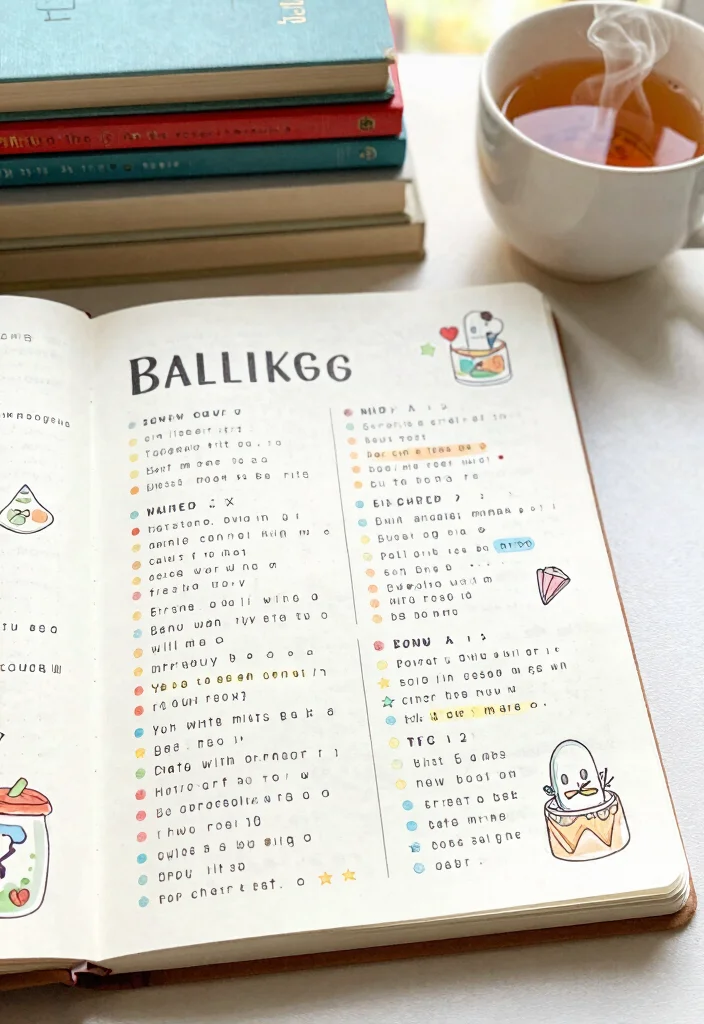
Do you love diving into books? A reading log can be a creative way to track your literary adventures and reflect on your reading experiences. This journal lets you capture insights and memorable quotes from the books you read.
Create a dedicated page for each book or summarize your readings monthly. Include spaces for the title, author, genre, and your thoughts, making it easy to revisit your favorites.
Enhance your reading log with these tips:
– Add a ‘to be read’ section to keep your list organized.
– Use color coding for different genres to make it visually appealing.
– Reflect on favorite moments or lessons from each book.
This log allows you to celebrate your reading journey and keep track of valuable insights.


8. Travel Tracker
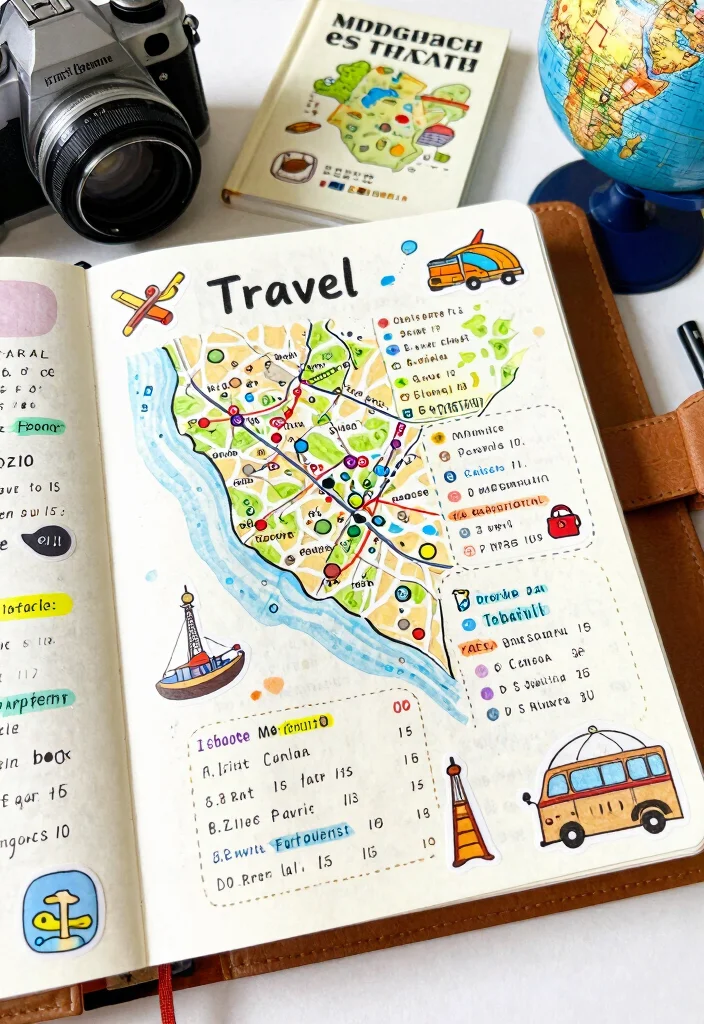
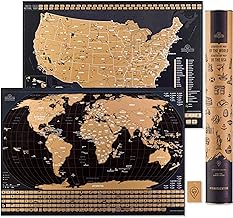
Eager to explore new places? A travel tracker can add excitement to your bullet journal, helping you plan trips and document unforgettable experiences. This page is perfect for mapping out your adventures and cherished memories.
Create sections for destinations, travel dates, and highlights from each trip. You might also want to include a map to color in as you visit different places or a photo collage of your travels.
Here’s how to personalize your travel tracker:
– Add local sayings or language tips for each destination.
– Use stickers or stamps to mark places you’ve visited.
– Include a reflection section for lessons learned from each adventure.
This tracker allows you to appreciate your journeys while inspiring future travels!
Travel Tracker
Editor’s Choice





How To Choose Tracking Journal Ideas for Goals, Habits, and Daily Progress
When you’re ready to start your tracking journal, it’s crucial to choose ideas that actually align with your goals and lifestyle. Here are some factors to consider to help you select the best tracking journal ideas for your needs.
1. Define Your Purpose
Think about what you want to achieve with your journal. Are you focusing more on habit tracking, goal setting, or daily reflections? Knowing your primary purpose will guide you toward the most effective formats. For instance, if self-improvement is your main goal, a gratitude log or a mood tracker could be beneficial.
2. Assess Your Lifestyle
Your daily routine can significantly influence your journal choices. If you have a busy life, opt for simpler tracking methods like a fitness tracker or a monthly habit tracker that doesn’t require extensive daily input. On the other hand, if you enjoy journaling every day, techniques like daily journaling space or a reading log will enrich your experience.
3. Explore Creative Formats
Don’t limit yourself to traditional layouts. Experiment with artistic styles like doodles, color coding, or stickers. Creative journaling can make tracking more enjoyable and encourage you to stick with it. You could try mixing various elements, such as combining a mood tracker with a self-care tracker, to make it more personalized.
4. Consider Space and Layout
The size and layout of your journal matter. A bullet journal allows for much customization but requires more effort to set up. If you prefer a quick-start option, look for pre-printed journals that have specific tracking pages already designed for you. Make sure you have enough space to write comfortably without feeling cramped.
5. Set a Realistic Budget
Your budget can impact your tracking journal selection. While you can find beautiful journals online, it’s also possible to create your own with notepads or printable templates. Decide how much you’re willing to invest in your journaling supplies, including pens, stickers, or other embellishments. Remember, a simple notebook can still be highly effective.
6. Incorporate Accountability Elements
If you thrive with encouragement, consider adding accountability features to your journal. For example, create a project tracker that allows you to set deadlines or milestones that you can review regularly. Alternatively, you could include an affirmation page where you write positive statements to motivate yourself.
Pro Tip: Start small! Choose two or three tracking ideas that resonate with you and gradually add more as you get comfortable with the process. This approach helps you avoid overwhelm while building a consistent journaling habit.
By focusing on these key factors—purpose, lifestyle, creativity, space, budget, and accountability—you can effectively choose tracking journal ideas that enhance your goals, habits, and daily reflections. Remember to keep it enjoyable and reflective of your personal style!


9. Expense Tracker
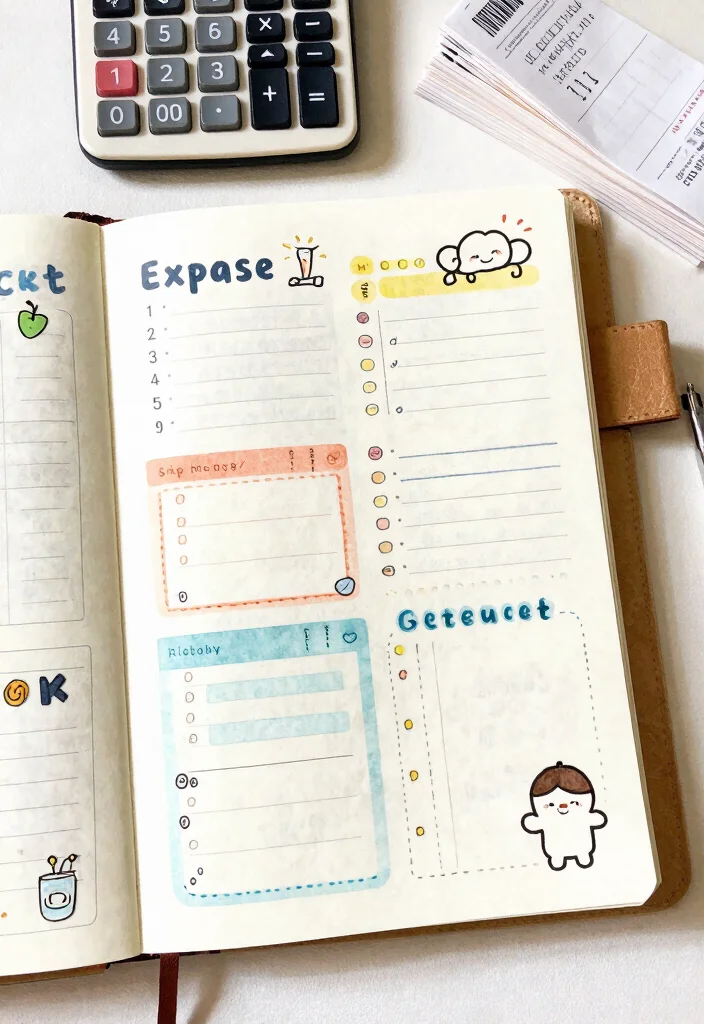
Want better control over your finances? An expense tracker in your bullet journal can provide valuable insights into your spending habits. This practical tool is essential for budgeting effectively and saving money.
Set it up with categories for expenses like groceries, entertainment, and bills. Track your spending daily or weekly to maintain a clear overview of your finances.
Here are some tips for an effective expense tracker:
– Use color coding for different categories to enhance clarity.
– Include a savings goals section to motivate yourself.
– Reflect monthly on your spending to adjust your budget.
This tracker offers a clearer picture of your financial habits while promoting responsible spending!

10. Project Tracker
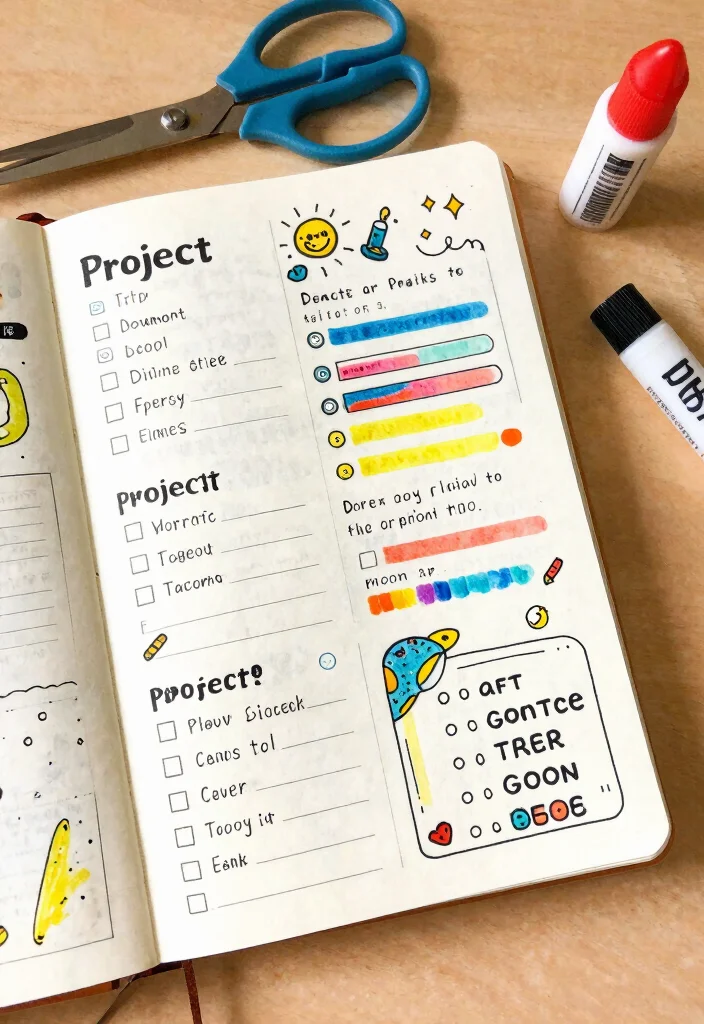
Do you find managing projects challenging? A dedicated project tracker in your bullet journal can simplify the process, keeping you organized and on task. Whether it’s work-related or a personal DIY project, this tool can help you stay focused.
Create a layout that outlines tasks, deadlines, and progress updates for each project. Checkboxes for tasks and a progress bar can provide a visual representation of your achievements.
Here’s how to enhance your project tracker:
– Break larger projects into smaller, manageable steps.
– Assign deadlines to keep yourself accountable.
– Add a reflection section to evaluate successes and areas for improvement.
This tracker helps you maintain focus and ensures your projects progress smoothly!


11. Self-Care Tracker
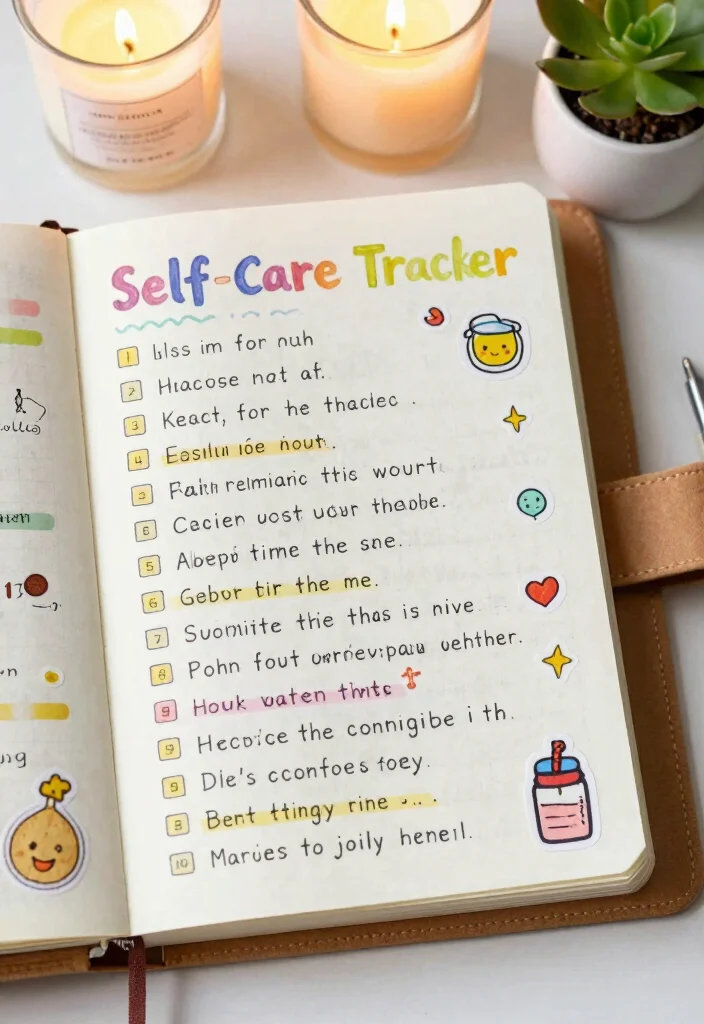
Are you prioritizing your well-being? A self-care tracker is a beautiful way to remind yourself to nurture your mental and emotional health. This page can help you focus on activities that recharge your mind, body, and soul.
Use a simple checklist format to track self-care activities like reading, meditating, or enjoying long baths. Adding visual elements like smiley faces or doodles can make your tracker more inviting.
Consider these tips for an effective self-care tracker:
– Schedule specific self-care activities throughout the week.
– Reflect on how each activity impacts your mood afterward.
– Use colors to show your feelings before and after self-care.
This tracker encourages you to celebrate your small wins and maintain your overall well-being.
12. Skill Development Tracker
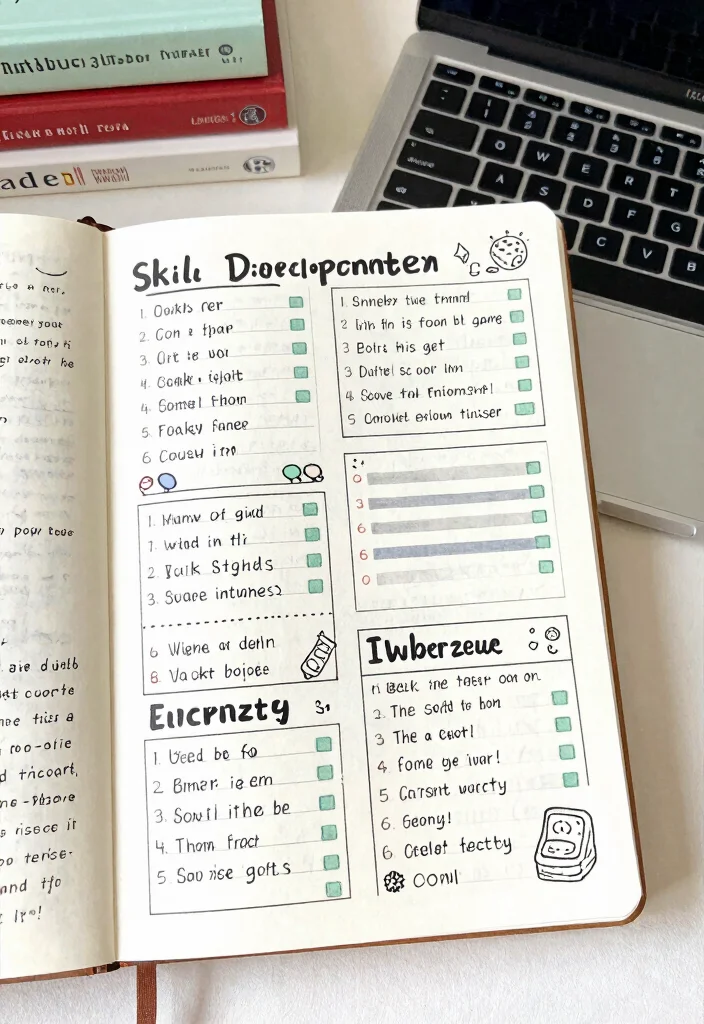
Ready to enhance your skills? A skill development tracker can keep your learning journey focused and rewarding. This page motivates you to actively pursue new hobbies or improve existing abilities.
Create sections for each skill, including goals, resources, and progress reviews. Visual tools like growth charts can help track your mastery over time.
Here are ways to boost your skill development tracker:
– Include a timeline to set learning milestones.
– List resources, tutorials, or books that support your journey.
– Reflect on challenges and breakthroughs along the way.
This tracker fosters continuous learning, inspiring you to persistently develop yourself.
13. Affirmation Page

Looking to boost your self-confidence? An affirmation page can be a powerful tool for cultivating a positive mindset. This space allows you to write empowering statements that inspire and uplift you daily.
Fill your affirmation page with positive phrases that resonate with you. Use bright colors and illustrations to make it visually striking, transforming it into a daily source of motivation.
Maximize the impact of your affirmation page with these tips:
– Write in the first person to create a personal connection.
– Change affirmations regularly to keep them fresh.
– Include visuals that represent your affirmations for deeper engagement.
This page will serve as a daily reminder of your self-worth and potential.
Affirmation Page
Editor’s Choice


14. Reflection Page
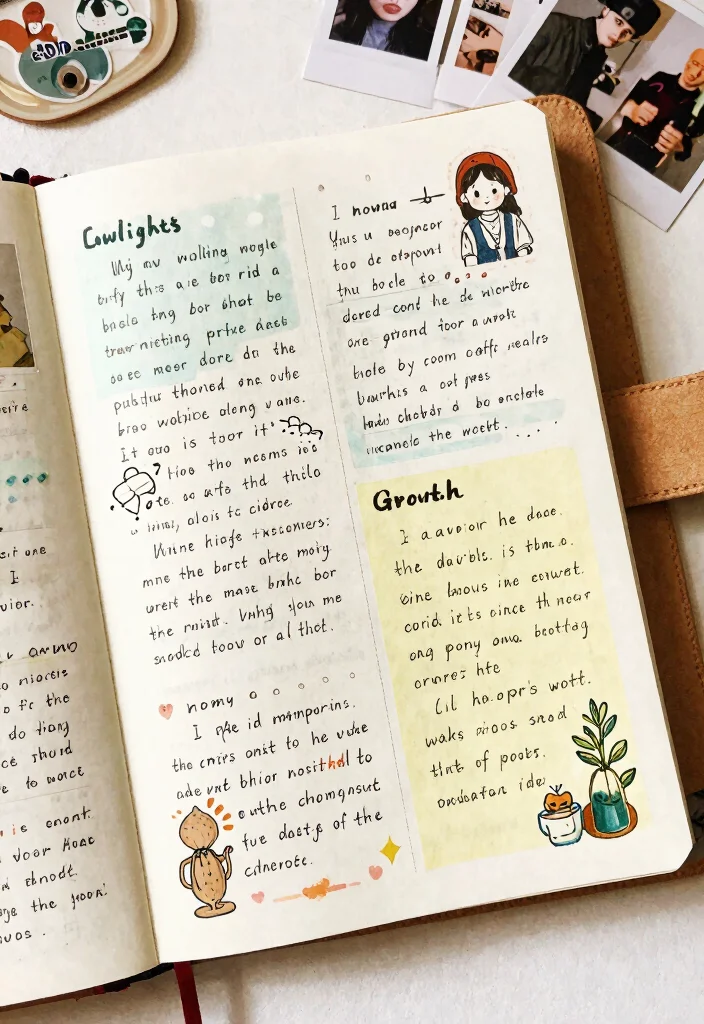
Want to evaluate your personal growth? A reflection page is an excellent way to close out a week or month, encouraging deep introspection about your experiences. This space allows you to assess achievements, challenges, and valuable lessons.
Create sections for highlights, lowlights, and areas for growth. Add prompts like ‘What went well?’ or ‘What can I improve next time?’ to guide your reflections.
Here’s how to make your reflection page impactful:
– Use different colors to differentiate topics for clarity.
– Include visuals, like collages or illustrations, to enrich your reflections.
– Regularly revisit your reflections to observe your growth.
This practice fosters self-awareness and encourages continuous improvement.

Conclusion
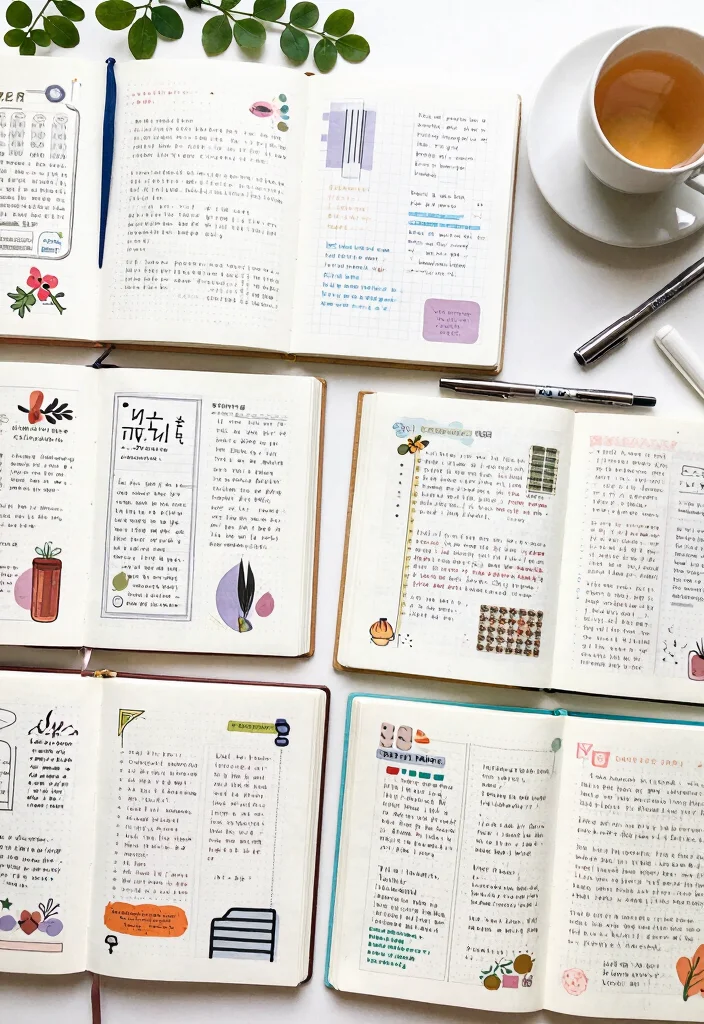
Creating a tracking journal is a wonderful journey of self-discovery and growth. Each of these 14 ideas provides a unique lens through which you can view your progress and set intentions for the future.
Whether you’re diving into habit tracking, journaling, or goal setting, these creative techniques can transform your bullet journal into a beautiful and functional extension of yourself.
Start your journaling adventure today and embrace the art of tracking!
Note: We aim to provide accurate product links, but some may occasionally expire or become unavailable. If this happens, please search directly on Amazon for the product or a suitable alternative.
This post contains Amazon affiliate links, meaning we may earn a small commission if you purchase through our links, at no extra cost to you.
Frequently Asked Questions
What are beginner-friendly tracking journal ideas to start tracking goals, habits, and daily progress?
Getting started is easier than it sounds. Begin with three core pages: Goals, Habits, and Daily Progress, then build from there using tracking journal ideas that fit your style.
Choose a simple weekly setup: write a goal for the week, pick 2–3 habits to track, and log a quick daily entry about progress. Color-code each habit and shade the box when you complete a day to reinforce your goal setting and habit tracking loops.
Keep daily journaling short—one line or a quick prompt like ‘What small win did I have today?’—and use creative journaling elements (doodles, washi tape, stamps) to keep it fun.
End the week with a quick self-improvement review: what moved you forward, what slowed you down, and what you’ll adjust next week.
How can I tailor tracking journal ideas for DIY and crafts projects?
For DIY and crafts, make project-focused spreads that capture progress and learning. Create pages for each project with a title, start date, materials used, time spent, and a progress photo or sketch.
Add a weekly craft checklist: what’s done, what’s next, and any techniques you want to try. Color-code by project or material to see at a glance where your energy went.
Include creative journaling prompts like ‘What technique improved my result?’ or ‘Which color palette brought joy to this piece?’ to blend creative journaling with self-improvement and goal setting.
What are practical bullet journal techniques to stay consistent with daily journaling and habit tracking?
Try these practical bullet journal techniques you can actually keep up with.
Use a dot-grid habit tracker: a 7×4 or 7×6 grid, color-coded by habit, and shade a square for each day you complete it. Do a weekly review on a fixed day; migrate incomplete habits to the next week with a gentle nudge. Pair new habits with existing routines (habit stacking) to improve consistency.
Keep prompts tiny: ‘Today I did…’ or ‘One thing I learned today.’ Use quick keys for common entries to speed up journaling and prevent burnout, and sprinkle tracking journal ideas like tiny doodles or progress bars to keep it engaging.
How can tracking journals help with goal setting and long-term achievement?
Tracking journals shine when you turn big goals into bite-sized milestones. Write clear goal setting targets, then split them into monthly or weekly milestones and track progress with a simple progress bar or checklists.
Schedule regular reviews to celebrate wins, recalibrate timelines, and adjust actions. Use the data you collect for self-improvement—notice patterns, refine habits, and align daily journaling with your vision. When you see steady progress, motivation stays high and burnout stays low.
What are fun and creative journaling ideas to keep daily journaling engaging without burnout?
Make daily journaling a creative ritual, not a chore. Try rotating prompts: one day a quick log, next day a doodle, then a mini collage or a letter to your future self.
Use art journaling elements like stickers, color blocks, and washi tape to add personality. Keep it small: 1–3 lines or a tiny illustration per day, with a weekly recap that highlights three wins. This keeps your daily journaling practice fresh while supporting goal setting and self-improvement through consistent reflection.
Related Topics
tracking journal ideas
goal setting
habit tracking
daily journaling
creative journaling
self-improvement
beginner friendly
artistic techniques
monthly layouts
mindfulness journaling
bullet journal inspiration
visual tracking