
Starting with painting art can be an exhilarating journey, especially if you’re new to the world of colors and canvases. This guide, how to start painting art, is designed for absolute beginners who want to dive into this creative pursuit without feeling overwhelmed. We’ll cover everything from gathering your first supplies to troubleshooting common issues, helping you build confidence and skills step by step. Whether you’re seeking a relaxing hobby or aiming to express your inner thoughts through art, this article will equip you with the foundational knowledge to begin your painting adventure today.
Essential Art Supplies for Beginner Painters
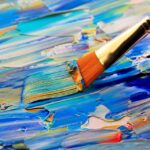
When embarking on your journey of how to start painting art, the first step is assembling a basic toolkit that won’t break the bank but still offers quality for learning. Begin with paints; acrylics are ideal for newcomers due to their quick-drying nature and versatility on various surfaces. You’ll need a set of primary colors like red, blue, yellow, and white to experiment with mixing, along with a few earth tones for added depth. Brushes are another cornerstone—opt for a mix of synthetic ones in different sizes, such as a fine-tipped for details and a larger flat one for broad strokes. Don’t forget a sturdy canvas or thick paper to paint on, and essentials like palettes for mixing colors, jars for water (if using water-based paints), and rags for cleanup. To make this more engaging, consider how these supplies can spark creativity; for instance, a simple set of acrylics might remind you of a child’s finger-painting session, but with practice, they’ll become tools for expressing complex emotions. Beyond the basics, invest in a sketchbook for planning your ideas, as this will help you visualize concepts before committing to paint.
Moreover, while it’s tempting to splurge on professional-grade supplies right away, focusing on affordability and functionality will keep your initial foray into how to start painting art enjoyable and stress-free. Easels can be makeshift, like using a table or even a clipboard against a wall, allowing you to paint comfortably without immediate large investments. Add protective gear such as an apron or old clothes to shield yourself from spills, and perhaps a good lamp for even lighting if you’re painting indoors. What makes this step truly comprehensive is understanding the psychology behind your choices—selecting supplies that excite you personally can boost motivation, turning a mundane shopping list into a personalized ritual. For example, choosing brushes with ergonomic handles can prevent fatigue during longer sessions, ensuring that your first experiences with painting art are positive and encouraging, paving the way for more advanced explorations later.


Choosing Your First Painting Subject: Inspiration and Ideas
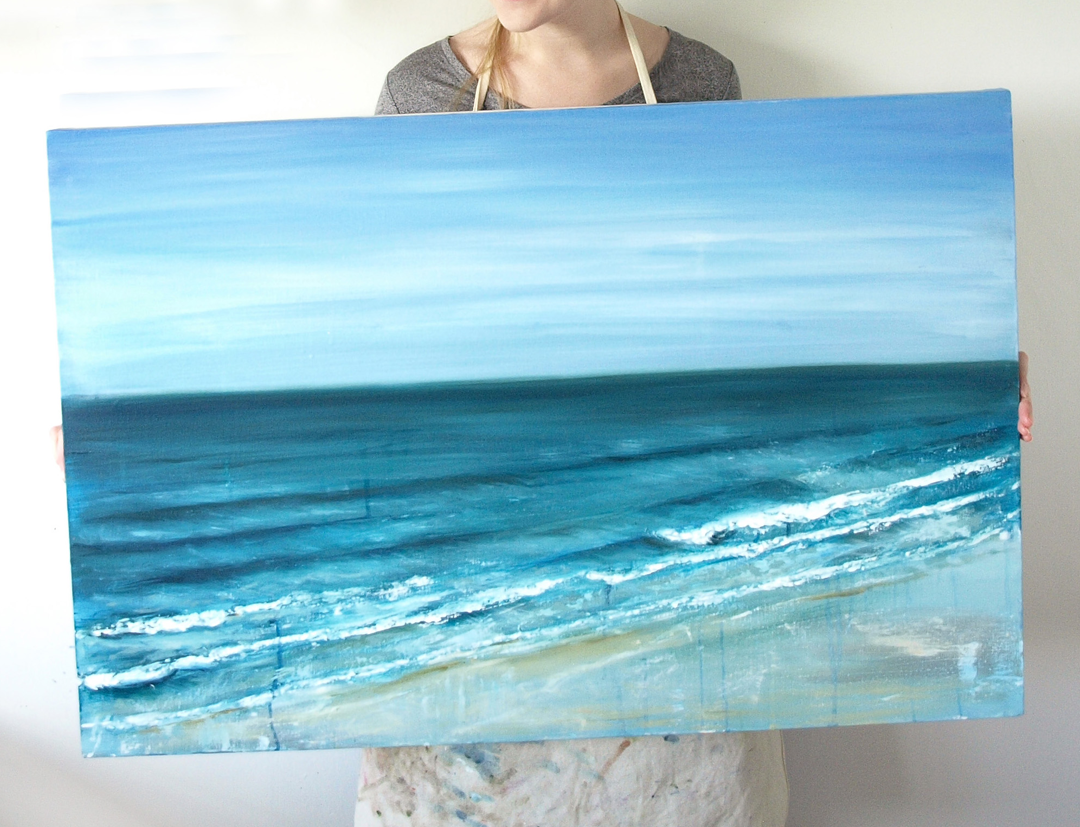
Diving into how to start painting art means selecting a subject that resonates with you, as this sets the tone for your creative process and builds early confidence. Start by drawing inspiration from your surroundings; everyday objects like a favorite fruit, a houseplant, or even a landscape view from your window can serve as excellent entry points. Think about themes that evoke emotion—perhaps a serene sunset for tranquility or a bustling city scene for energy. To expand beyond basics, explore art history; studying impressionists like Monet can inspire you to capture light and color in unique ways, adapting their techniques to your style. Jot down ideas in a journal, asking questions like, “What colors do I associate with this subject?” or “How can I simplify complex shapes?” This not only sparks creativity but also helps overcome the intimidation of a blank canvas, making your first painting a personal milestone.
As you refine your choice in how to start painting art, consider the storytelling aspect—every subject has a narrative waiting to be told. For instance, painting a family photo can connect you to memories, while abstract shapes allow for free expression without the pressure of realism. Engage deeper by experimenting with references; use photographs or real-life observations to sketch thumbnails, which are small, quick drawings that help plan composition and lighting. This approach goes beyond mere selection, fostering a habit of observation that enriches your artistic growth. Remember, the key is to choose something achievable yet challenging, like a simple still life, to celebrate small victories and maintain enthusiasm for your ongoing journey in painting art.


Setting Up Your Painting Workspace: A Beginner’s Guide
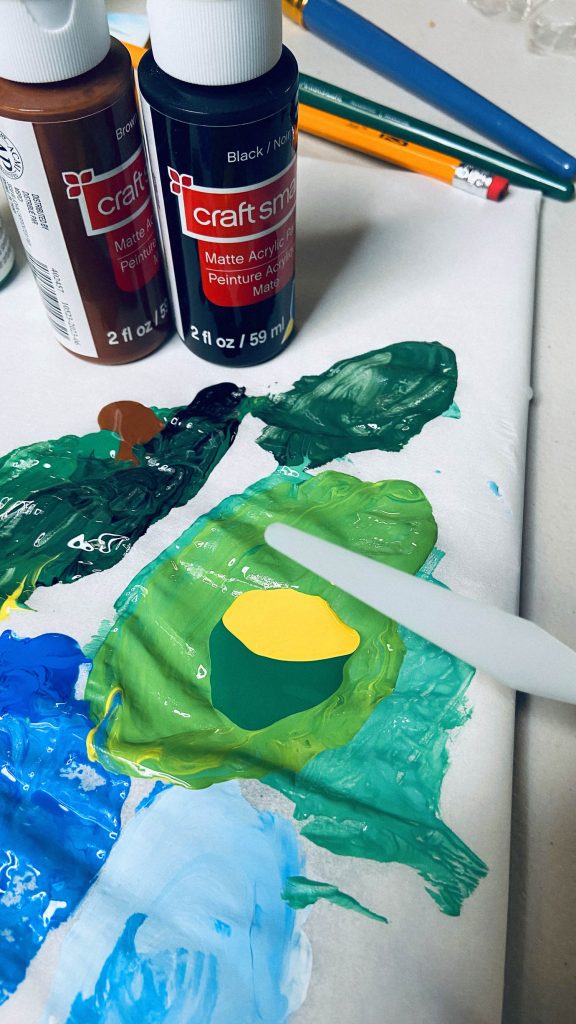
For those learning how to start painting art, creating an effective workspace is crucial as it influences your focus and enjoyment. Begin by selecting a dedicated area, whether it’s a corner of a room or a full studio, ensuring it’s well-ventilated to handle paint fumes and spills. Good lighting is non-negotiable; natural light from a window provides the best accuracy for colors, but supplement with adjustable lamps to avoid shadows during evening sessions. Organize your supplies logically—keep paints and brushes within arm’s reach on a tray or shelf to minimize disruptions. To make this engaging, think of your workspace as a sanctuary; personalize it with inspiring posters or music, transforming a simple setup into a ritual that heightens your creative energy. Safety features, like a drop cloth to protect surfaces, ensure that your environment supports experimentation without worry.
Delving deeper into how to start painting art, optimizing your workspace involves ergonomic considerations to prevent physical strain during extended sessions. Position your easel or table at a comfortable height, allowing you to stand or sit without hunching, and use a stool if needed for better posture. Storage solutions, such as stackable bins for supplies, keep things tidy and accessible, reducing the mental clutter that can stifle creativity. Beyond the practical, infuse your space with elements that stimulate ideas, like a mood board of favorite artworks or natural elements like plants. This comprehensive approach not only facilitates painting but also nurtures a sustainable habit, making your workspace a foundation for long-term artistic development and exploration.
Basic Painting Techniques: Color Mixing, Brushstrokes, and More
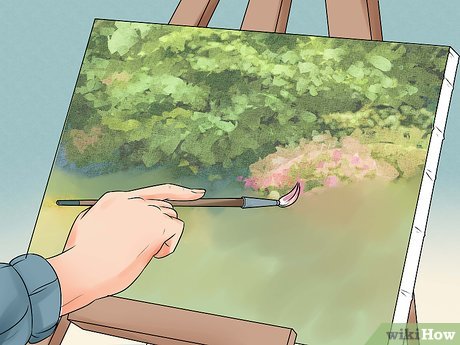
Mastering how to start painting art requires grasping fundamental techniques that turn raw supplies into expressive works. Start with color mixing, the heart of painting; blend primary colors on a palette to create secondaries like orange from red and yellow, experimenting with ratios for subtle variations. Brushstrokes add personality—try long, sweeping motions for landscapes or short, stippled ones for textures, practicing on scrap paper to observe how pressure affects outcomes. To engage beyond basics, explore layering; apply thin washes for backgrounds and build up with thicker strokes for foregrounds, mimicking the depth seen in masters like Van Gogh. This technique not only enhances realism but also allows for personal flair, making each session a discovery of your unique style in painting art.
As you advance in how to start painting art, delve into more nuanced skills like blending and edge control, which elevate your work from amateur to polished. Blending involves softening transitions between colors for smooth gradients, achieved by feathering brushstrokes while the paint is still wet. Edge control, on the other hand, defines sharp lines versus soft ones, crucial for subjects like portraits where details matter. Go beyond the surface by incorporating experiments with different mediums, such as adding water to acrylics for fluidity or using gels for texture, which can mimic effects like water ripples or rough terrain. This comprehensive exploration ensures you’re not just following steps but developing an intuitive understanding, fostering confidence and creativity in your painting endeavors.
Step-by-Step Painting Exercise for Beginners
Embarking on how to start painting art with a structured exercise can demystify the process and build foundational skills. Begin with a simple still life, like an apple; sketch its basic shape lightly on your canvas using a pencil, focusing on proportions to create a balanced composition. Next, mix your colors—start with a base red for the apple, adding white for highlights and shadows with darker tones like blue or black. Apply the paint in layers: first a thin wash for the overall form, then add details with finer brushes, paying attention to light sources for realism. To make this engaging, incorporate breaks for reflection; step back and assess your work, adjusting as needed, which turns the exercise into a meditative practice and helps you appreciate the iterative nature of art.
Taking this exercise further in how to start painting art involves refining techniques for a more polished result. Once the apple is painted, extend to the background—perhaps a simple tablecloth with contrasting colors to make your subject pop. Focus on brush control: use a dry brush for subtle textures or wet-on-wet for blends, experimenting to see how these choices affect the final piece. Beyond execution, document your process with photos or notes, analyzing what worked and what didn’t, which deepens your learning. This step-by-step approach not only completes a tangible artwork but also instills a sense of accomplishment, encouraging you to tackle more complex projects and solidify your path in painting art.

Troubleshooting Common Painting Problems and Mistakes
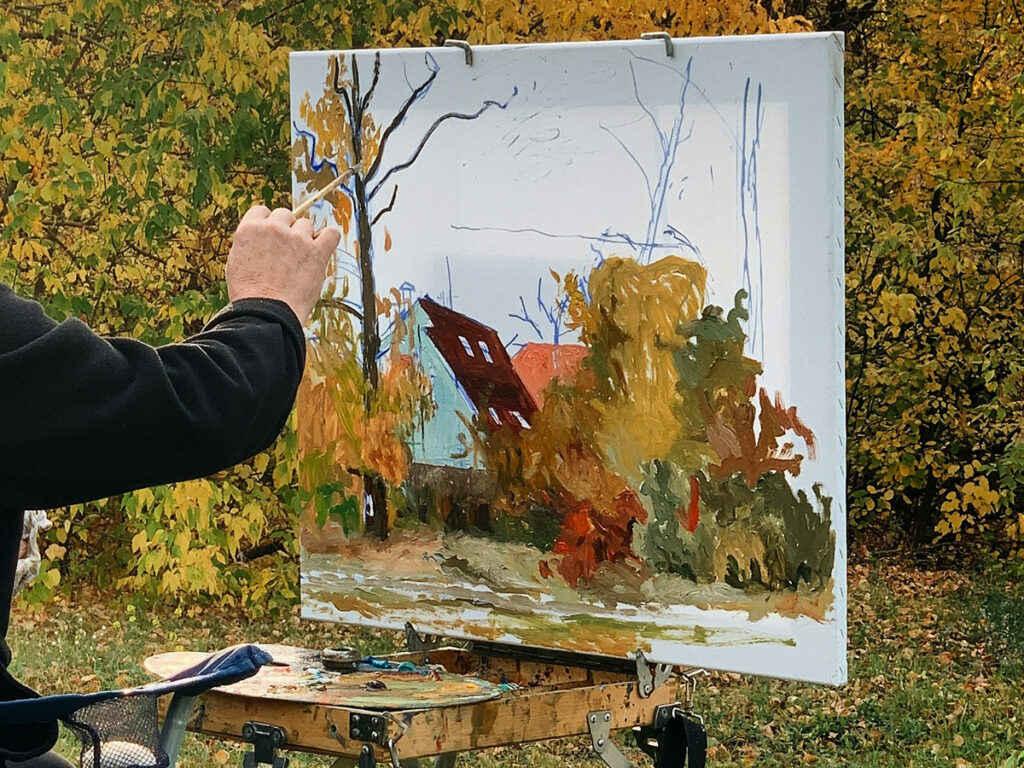
When navigating how to start painting art, encountering issues is inevitable, but knowing how to address them can turn setbacks into growth opportunities. A common problem like uneven color application often stems from rushed mixing; to fix this, ensure your palette is clean and mix thoroughly before applying, using a palette knife for precision. If your paints dry too quickly, work in thinner layers or use a spray bottle to keep the surface moist, preventing cracks and maintaining vibrancy. Mistakes in brushstrokes, such as unwanted streaks, can be corrected by blotting with a damp cloth while the paint is wet, or sanding lightly for dried acrylics. To engage readers, view these errors as part of the creative process; many renowned artists, like Picasso, evolved through trial and error, so embrace them as stepping stones in your painting journey.
Diving deeper into how to start painting art, more advanced troubleshooting involves psychological and technical aspects. For instance, if your colors appear dull, it might be due to poor lighting in your workspace—adjust your setup or use color-correcting bulbs to enhance accuracy. Composition errors, like an unbalanced layout, can be remedied by stepping back and using the rule of thirds as a guide for repositioning elements. Beyond fixes, prevent future mistakes by maintaining a routine, such as priming your canvas properly to avoid absorption issues. This comprehensive strategy not only resolves problems but also builds resilience, ensuring that your foray into painting art is rewarding and sustainable in the long run.
Conclusion
In summary, beginning your adventure in how to start painting art involves gathering essential supplies, selecting inspiring subjects, setting up an effective workspace, mastering basic techniques, following guided exercises, and learning from common mistakes. Each step builds upon the last, transforming novices into confident creators through practical advice and engaging insights. By embracing this process, you’ll unlock your creativity and enjoy the fulfilling world of painting art for years to come.