
What is body painting art? At its core, body painting art is a dynamic and expressive form that involves applying cosmetic paints, dyes, or other temporary mediums directly onto the human body to create intricate designs, patterns, and illusions. This ancient practice transforms the skin into a living canvas, blending elements of performance, culture, and personal expression. Far from being mere decoration, body painting art serves as a powerful medium for storytelling, social commentary, and artistic innovation, captivating audiences worldwide with its ephemeral beauty and tactile appeal.
Defining Body Painting: Art, Technique, and History
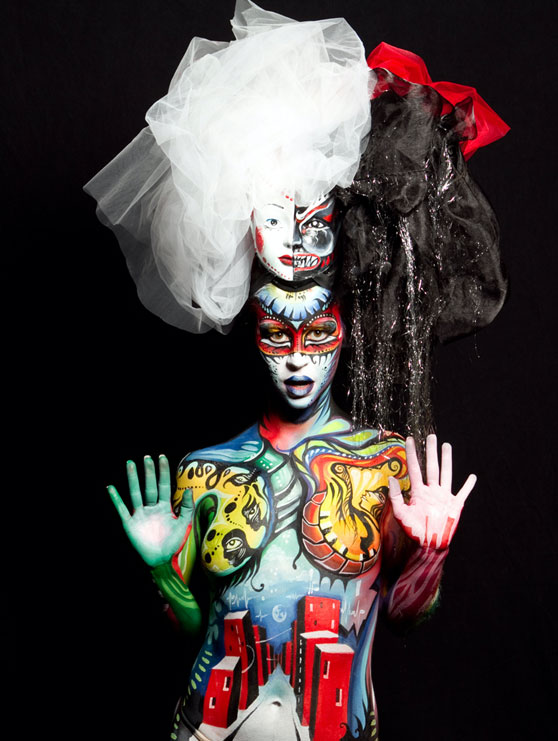
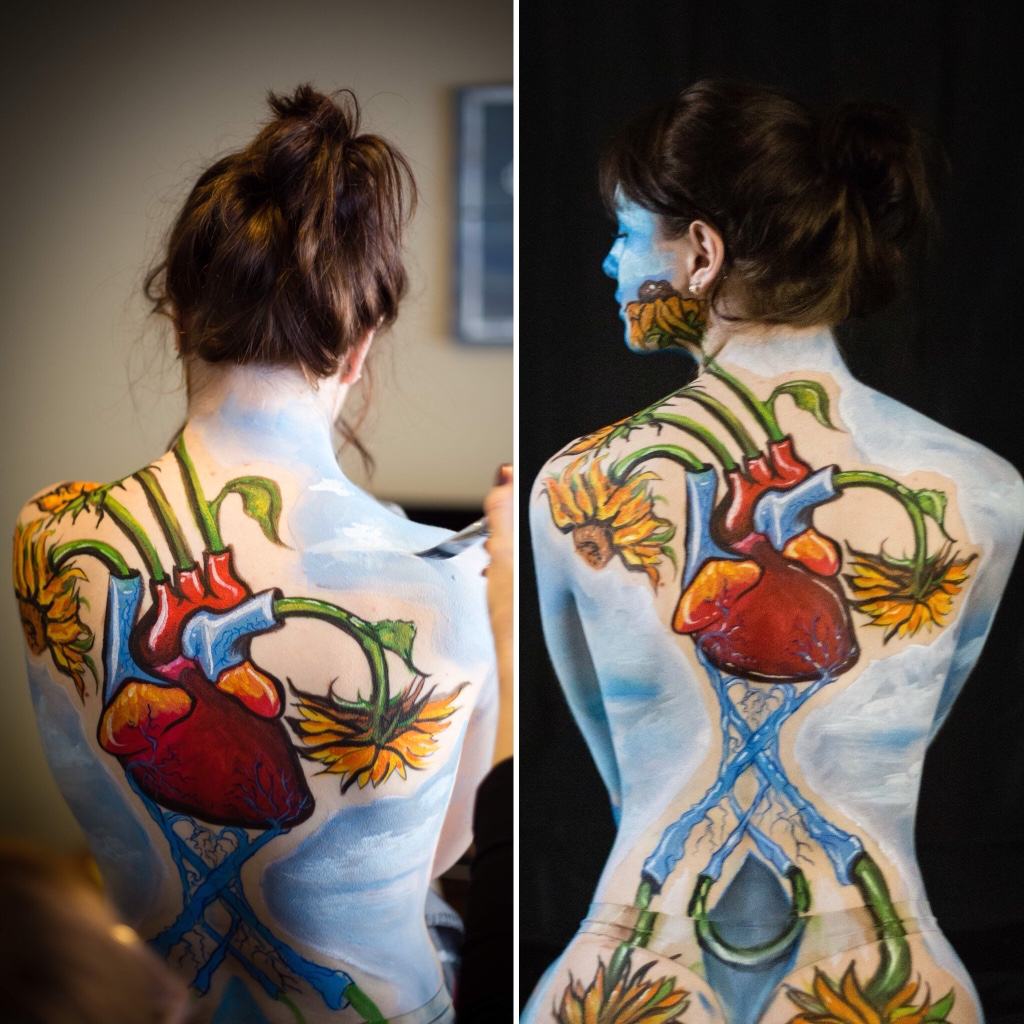
Body painting art, often hailed as one of the earliest forms of human expression, is a multifaceted discipline that uses the human form as its primary medium. This art form involves the meticulous application of pigments to the skin, creating temporary masterpieces that can range from abstract designs to realistic depictions. Unlike permanent tattoos, body painting is inherently transient, washing away with time or water, which adds a layer of impermanence that heightens its emotional impact. Historically, it dates back to prehistoric times, with evidence found in ancient cave paintings and indigenous rituals, where it served practical purposes like camouflage, spiritual rites, or tribal identification. What makes body painting truly compelling is its ability to merge art with the human body, turning every curve and contour into a storytelling element that reflects cultural, personal, or social narratives.
Delving deeper into its technique and history, body painting requires a blend of skill, creativity, and understanding of anatomy to achieve seamless results. Artists employ various tools such as brushes, sponges, and airbrushes, along with specialized paints that are safe for skin contact, ensuring both aesthetic appeal and health safety. The history of body painting art is rich and diverse, evolving from ancient civilizations like the Egyptians, who used it in ceremonial makeup, to Native American tribes employing natural dyes for spiritual ceremonies. This evolution highlights how what is body painting art has always been intertwined with societal values, adapting to contexts from war paint in tribal conflicts to elaborate designs in modern festivals. By examining these roots, we see body painting not just as an art form, but as a mirror reflecting humanity’s enduring quest for self-expression and connection.


The Evolution of Body Painting as an Art Form
From its primitive origins to its status as a contemporary art phenomenon, body painting has undergone significant transformations that mirror broader cultural shifts. Initially rooted in survival and ritual, such as the ochre pigments used by early humans for protection or ceremony, it gradually incorporated symbolic elements during the Renaissance, where body adornment in theater and pageants began to emphasize aesthetic beauty. In the 20th century, artists like Yves Klein pushed boundaries with his “Anthropometries” series, using nude models as canvases to explore human form and color, thus elevating body painting into the fine art realm. This evolution demonstrates how body painting has adapted to technological advances, like the introduction of hypoallergenic paints, allowing for more intricate and durable designs that challenge traditional art norms.
Today, the art form continues to evolve, influenced by global events and digital media, with body painting festivals like the World Bodypainting Festival in Austria showcasing international talent. What started as a tribal practice has blossomed into a global movement, incorporating influences from pop culture, social media, and environmental themes. For instance, modern artists use body painting to address issues like climate change, turning bodies into walking billboards for activism. This progression underscores what is body painting art as a living, breathing entity that adapts and thrives, proving its resilience and relevance in an ever-changing world while fostering cross-cultural dialogues.
Materials and Techniques Used in Contemporary Body Painting
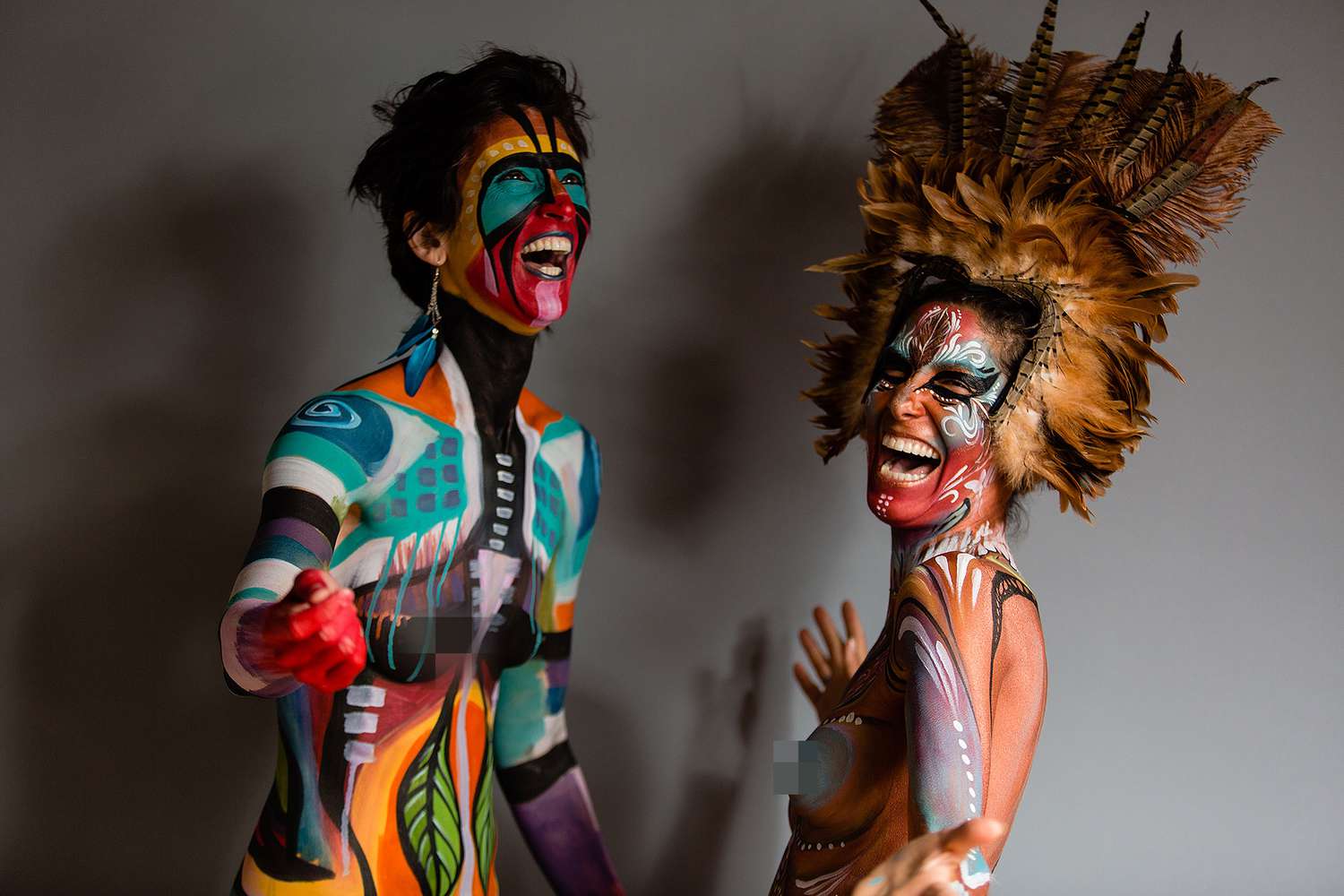
Contemporary body painting relies on a sophisticated array of materials that prioritize safety, vibrancy, and longevity, setting it apart from its rudimentary ancestors. Artists now use FDA-approved body paints, which are water-based and non-toxic, often formulated with ingredients like glycerin for smooth application and mica for a shimmering effect. Techniques have advanced too, with methods such as airbrushing allowing for precise, gradient designs that mimic digital art, and UV-reactive paints adding a theatrical glow under black lights. This modern toolkit enables artists to create everything from hyper-realistic portraits to abstract illusions, making the body a versatile canvas for experimentation. The emphasis on quality materials ensures that the art is not only visually striking but also comfortable for the wearer, with quick-drying formulas reducing the risk of irritation.
Beyond the basics, techniques in body painting have become highly specialized, incorporating elements of other art forms like sculpture and photography. For example, 3D body painting uses trompe l’oeil effects to make flat designs appear three-dimensional, a skill that requires deep knowledge of light, shadow, and human anatomy. Artists might blend traditional methods, such as hand-painting with fine brushes, with innovative approaches like using stencils or even augmented reality apps for design previews. This fusion highlights what is body painting art as an interdisciplinary practice that pushes creative limits, allowing for collaborations with fashion designers or filmmakers. As a result, contemporary body painting not only preserves its historical essence but also innovates, ensuring its place in the future of visual arts.
Body Painting vs. Tattoos: Key Differences and Similarities
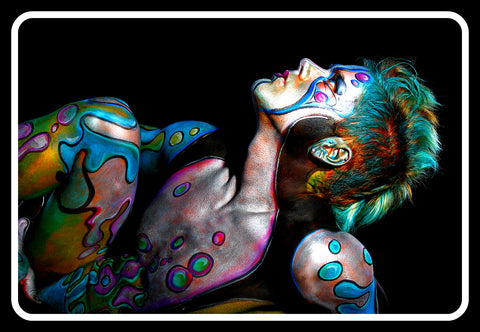
While both body painting and tattoos adorn the human body, they diverge significantly in permanence, purpose, and execution, offering unique avenues for personal expression. Body painting is inherently temporary, designed to last from a few hours to several days, using washable paints that allow for experimentation without lifelong commitment. In contrast, tattoos are permanent markings etched into the skin with ink, often symbolizing deep personal stories or cultural heritage. Similarities arise in their shared role as forms of self-expression; both can convey identity, emotions, or social messages, and they require artistic skill to achieve desired results. For instance, a body painting design might mimic a tattoo’s intricate patterns, blurring lines between the two and appealing to those hesitant about permanence.
Despite these overlaps, the differences extend to cultural and health implications, making what is body painting art a safer, more accessible alternative for many. Tattoos involve invasive procedures with needles, necessitating professional training and adherence to health regulations, whereas body painting uses non-invasive methods that can be done by enthusiasts at home or in community events. Both forms, however, share a common thread in their ability to foster community and individuality, as seen in events like tattoo conventions that sometimes feature body painting demonstrations. This comparison reveals how each art form complements the other, with body painting offering a playful, reversible option that encourages repeated exploration, ultimately enriching the broader spectrum of body art.
Ethical Considerations and Cultural Sensitivity in Body Painting
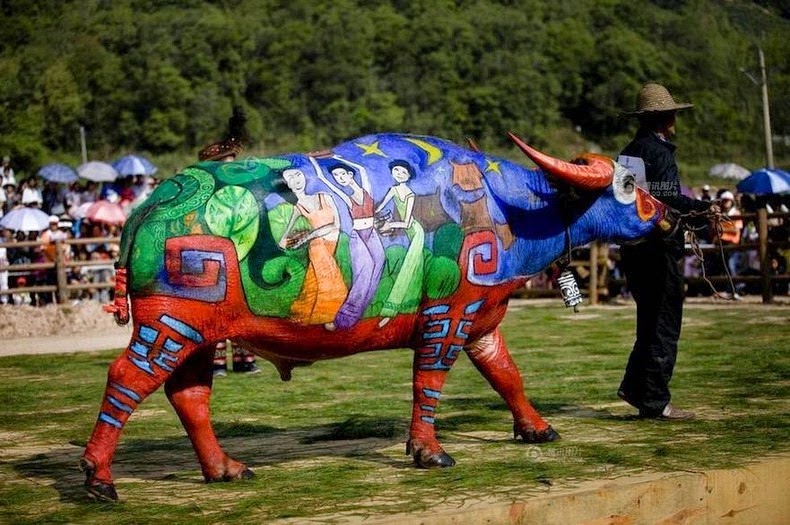
Ethical considerations in body painting extend beyond the canvas of the skin, demanding respect for individual autonomy, cultural origins, and environmental impacts. Practitioners must obtain informed consent from models, ensuring they understand the process and potential effects, while also prioritizing safety through hypoallergenic materials to prevent allergic reactions. Cultural sensitivity is paramount, as body painting draws from indigenous traditions, such as the henna art of South Asia or the face painting of African tribes; misappropriation can lead to offense or exploitation. Artists are thus encouraged to research and honor these roots, perhaps by collaborating with cultural experts or donating to related causes, fostering a more inclusive and respectful practice.
In addressing these issues, what is body painting art serves as a platform for ethical dialogue, highlighting the need for diversity and representation in the art world. For instance, events like body painting competitions often implement guidelines to avoid stereotypes, promoting themes that celebrate global heritage without commodification. This approach not only mitigates risks but also enhances the art’s social value, turning it into a tool for education and empowerment. By navigating these ethical waters thoughtfully, artists can elevate body painting from a mere aesthetic pursuit to a force for positive change, ensuring its sustainability and integrity for future generations.
Body Painting in Modern Art, Fashion, and Entertainment
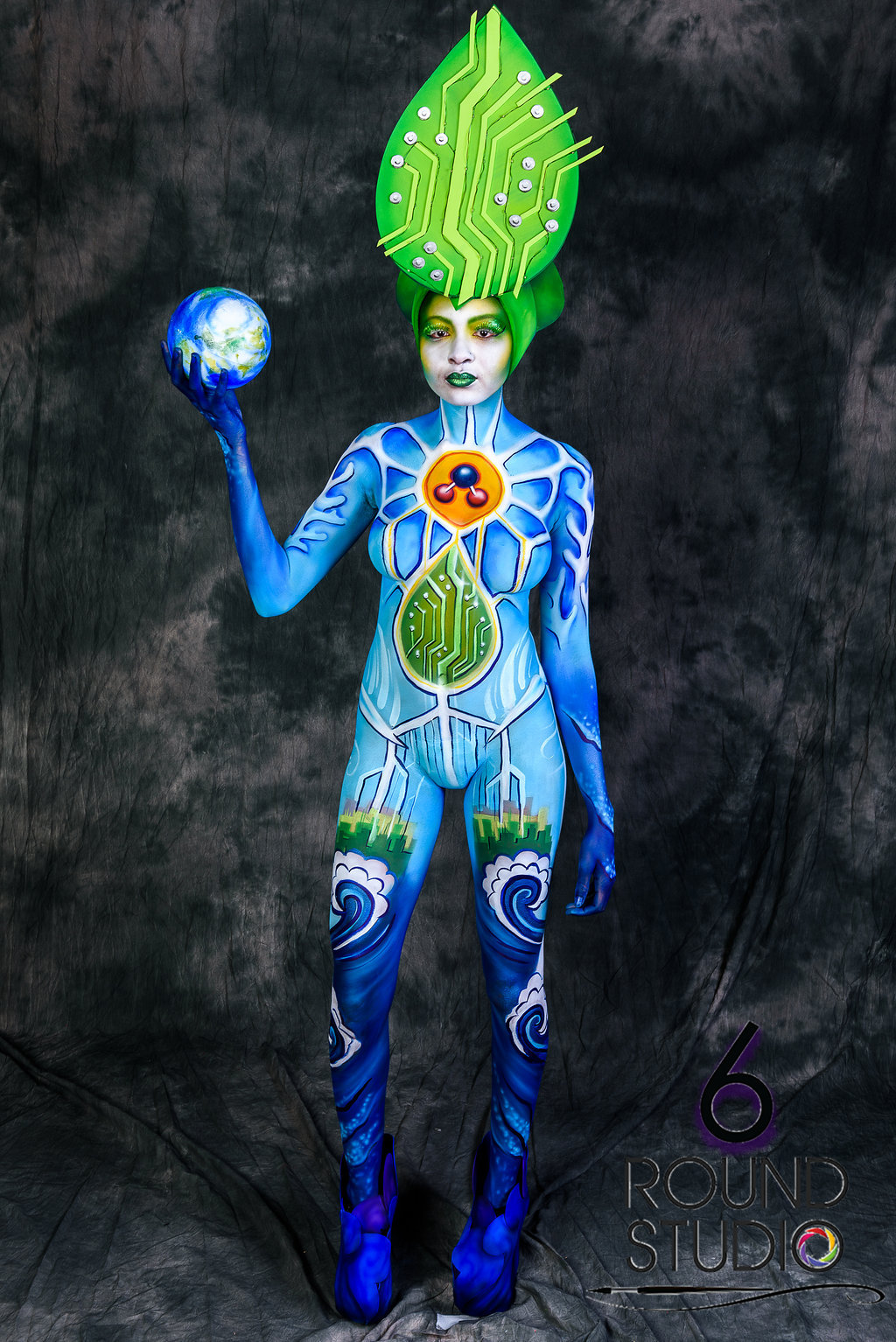
Body painting has seamlessly integrated into modern art, fashion, and entertainment, transforming from a niche practice to a mainstream spectacle that captivates diverse audiences. In the art world, it’s featured in galleries and installations, where artists like Andy Warhol’s successors use it to explore themes of identity and temporality, often in performance pieces that engage viewers directly. Fashion runways, meanwhile, have adopted body painting for avant-garde shows, with designers collaborating with painters to create wearable art that challenges traditional clothing norms, as seen in events like New York Fashion Week. Entertainment industries, from music videos to theater, leverage it for visual effects, enhancing storytelling with body illusions that add drama and allure.
This versatility underscores what is body painting art as a bridge between disciplines, fostering innovation in areas like advertising and digital media. For example, brands use body painting in campaigns to promote body positivity, while virtual reality experiences incorporate it for immersive events. In entertainment, it’s a staple at festivals like Burning Man, where participants use it for interactive performances, blending art with community building. As it continues to evolve, body painting not only enriches these fields but also pushes boundaries, inspiring new generations to view the human body as an endless source of creativity and expression.
Conclusion
In summary, body painting art represents a profound intersection of creativity, culture, and human expression, evolving from ancient rituals to a vibrant modern practice. Through its definition, historical evolution, materials, comparisons with tattoos, ethical considerations, and applications in contemporary settings, we see how what is body painting art embodies impermanence, innovation, and sensitivity. This art form not only celebrates the body’s canvas but also addresses broader themes of identity and society, ensuring its enduring relevance in an ever-changing world.