
What is abstract painting in art? At its core, abstract painting is a form of artistic expression that departs from realistic representations, focusing instead on evoking emotions, ideas, and perceptions through non-representational forms, colors, and textures. This style challenges viewers to interpret the artwork based on their personal experiences, making it a dynamic and subjective branch of visual art that has evolved significantly since the early 20th century. Unlike traditional painting, which aims to depict the physical world accurately, abstract painting emphasizes the artist’s inner world, using shapes, lines, and hues to convey complex concepts without direct reference to reality.
Defining Abstract Art: A Comprehensive Introduction
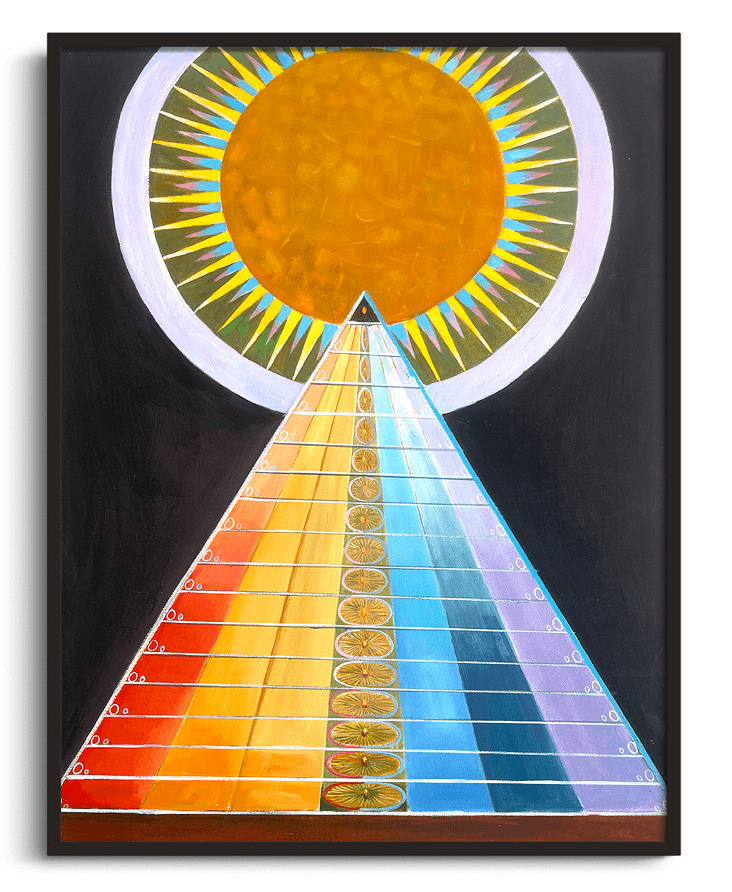
Abstract art, often synonymous with what is abstract painting in art, represents a revolutionary shift in creative expression where artists prioritize the essence of their subjects over literal depictions. This form emerged as a response to the limitations of realism, allowing painters to explore the subconscious, emotions, and abstract concepts like time, space, and energy. For instance, artists began experimenting with pure color and form to communicate ideas that words alone couldn’t capture, making abstract painting a powerful tool for introspection and innovation. Its appeal lies in its universality; it transcends cultural and linguistic barriers, inviting audiences to engage with art on a deeply personal level.
Beyond basic definitions, abstract painting in art invites a broader philosophical inquiry into the nature of perception and reality. Think of it as a visual language that uses non-figurative elements to mirror the complexities of human experience, such as joy, chaos, or serenity. This approach not only democratizes art by removing the need for technical precision but also encourages viewers to participate actively in the creation of meaning. From the bold strokes of Wassily Kandinsky to the layered canvases of contemporary creators, abstract painting has become a cornerstone of modern art, challenging conventional norms and expanding the boundaries of creativity in ways that continue to influence global artistic practices.
The Historical Evolution of Abstract Painting
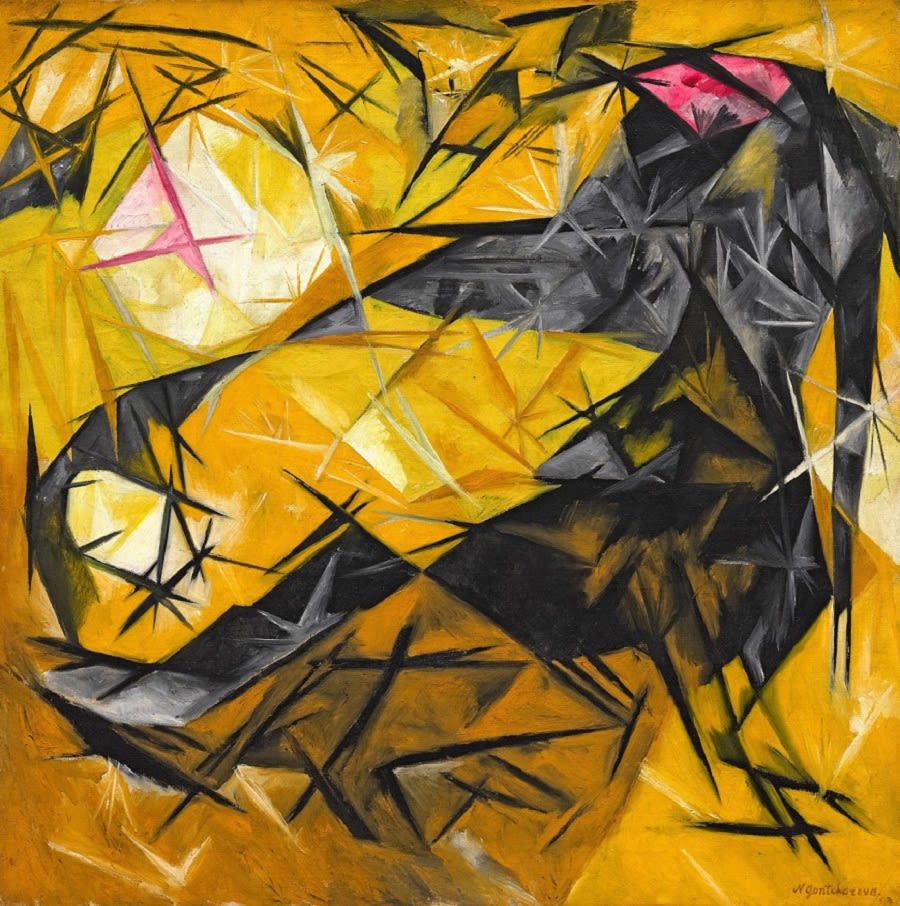
The journey of what is abstract painting in art traces back to the late 19th century, when artists like Vincent van Gogh and Paul Cézanne began distorting forms to convey emotional depth, paving the way for full abstraction. By the early 1900s, movements such as Fauvism and Expressionism pushed boundaries further, with Henri Matisse using vibrant colors to evoke feelings rather than depict scenes accurately. This evolution was accelerated by the turbulent socio-political climate of the time, including World War I, which prompted artists to reject traditional realism in favor of exploring inner turmoil and fragmentation. Over decades, abstract painting evolved from these roots into a dominant force, influencing everything from architecture to digital media and demonstrating its enduring adaptability.
Delving deeper, the historical progression of abstract painting reveals a tapestry of cultural exchanges and technological advancements. For example, the advent of photography in the 19th century freed painters from the obligation to record reality, allowing figures like Pablo Picasso in his Cubist phase to deconstruct objects into geometric shapes. As the movement spread globally, it incorporated diverse influences, such as African tribal art in the works of European modernists and Eastern philosophies in Kandinsky’s spiritual abstractions. Today, this evolution underscores how abstract painting has not only survived but thrived through periods of artistic upheaval, continually reinventing itself to address contemporary issues like globalization and environmental concerns, all while staying true to its core essence of non-literal expression.


Key Characteristics and Elements of Abstract Art
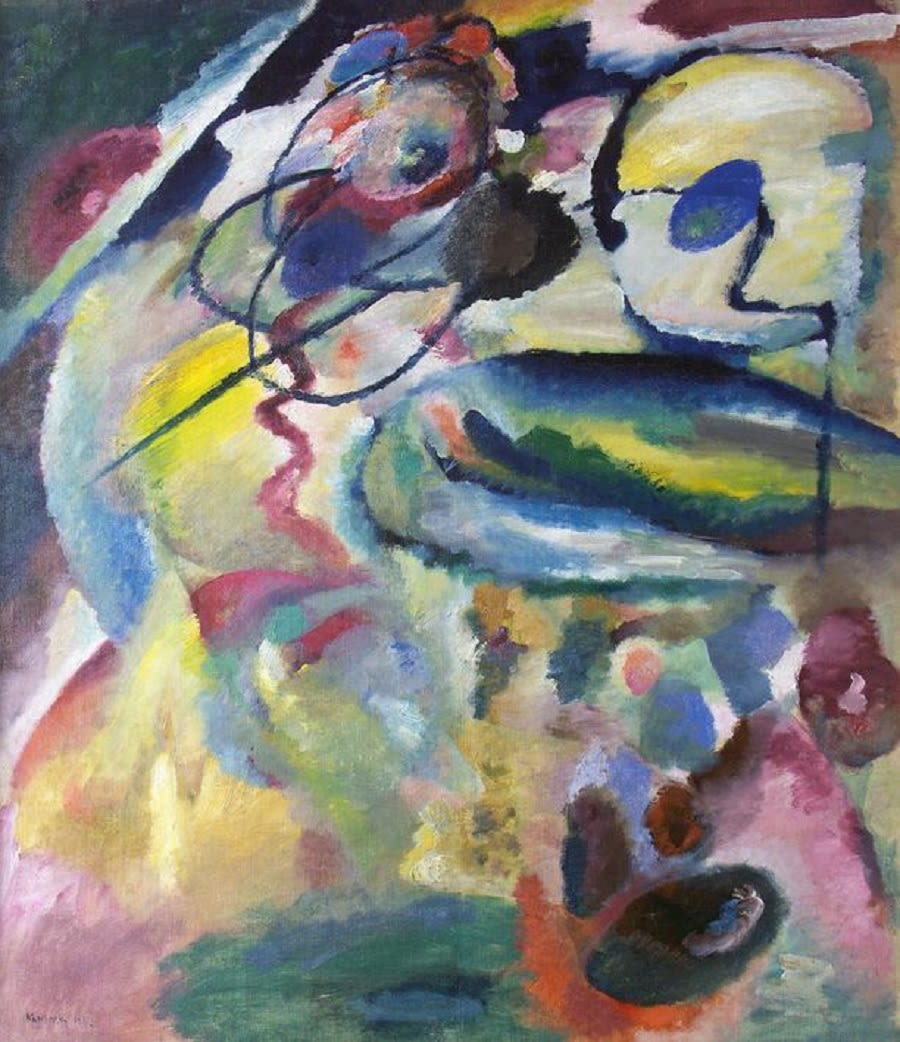
One of the defining features of what is abstract painting in art is its emphasis on elements like color, line, and texture, which serve as the primary vehicles for communication rather than serving realistic purposes. Colors might be used symbolically to evoke moods—think of red for passion or blue for tranquility—while lines can create rhythm or tension, guiding the viewer’s eye across the canvas in unexpected ways. Texture adds another layer, with techniques like impasto allowing artists to build physical depth, making the artwork not just visual but tactile. These elements combine to form compositions that challenge viewers to look beyond the surface, engaging with the artwork’s emotional or conceptual underpinnings in a more intuitive manner.
Beyond these basics, the characteristics of abstract art extend to its innovative use of space and form, which often defy traditional perspectives to explore abstract concepts like infinity or chaos. For instance, artists might employ asymmetrical balances or overlapping shapes to represent the fluidity of thought, creating a sense of movement that mirrors the human psyche. This approach requires a deep understanding of composition, where every brushstroke contributes to a larger narrative, even if that narrative is open to interpretation. In essence, these elements make abstract painting a profound exploration of creativity, pushing artists and audiences alike to appreciate art as a process of discovery rather than a fixed representation, and highlighting how it continues to evolve in response to modern artistic dialogues.
Exploring Different Styles and Movements within Abstract Painting
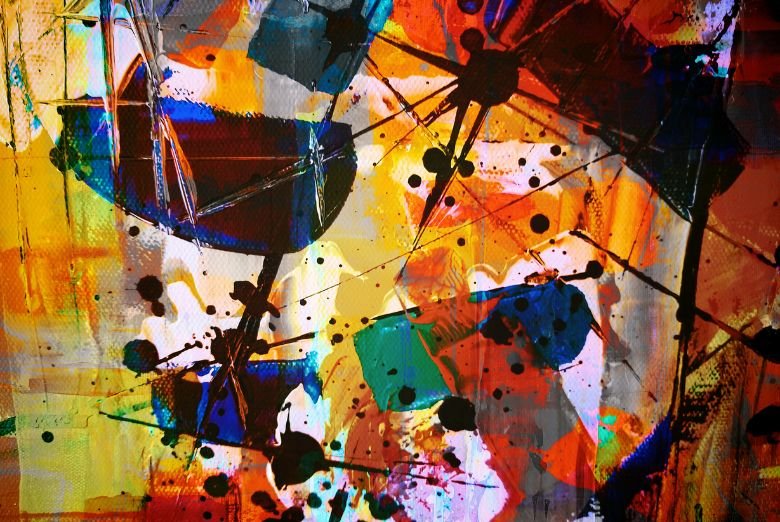
What is abstract painting in art encompasses a wide array of styles, from the explosive energy of Abstract Expressionism to the minimalist precision of later movements, each reflecting unique cultural and historical contexts. Abstract Expressionism, pioneered in the 1940s by artists like Jackson Pollock, emphasized spontaneous, gestural techniques to convey raw emotion, with drips and splatters creating dynamic, chaotic compositions. In contrast, movements like Suprematism, led by Kazimir Malevich, focused on geometric purity, using basic shapes and colors to explore spiritual and utopian ideals. These styles not only diversified abstract painting but also influenced global art scenes, from the Color Field painting of Mark Rothko to the Op Art illusions of Bridget Riley, showcasing the movement’s versatility and enduring impact.
Further examination reveals how these styles interweave with broader movements, such as Surrealism’s influence on abstract forms through dream-like imagery, or the rise of Neo-Abstract Expressionism in the digital age. For example, contemporary artists might blend abstract elements with digital tools, creating interactive installations that evolve with viewer input, thus expanding what is abstract painting in art into multimedia realms. This exploration highlights the movement’s adaptability, as seen in the geometric abstractions of the De Stijl group or the lyrical abstractions of the Washington Color School, each contributing to a rich tapestry of innovation. Ultimately, these variations underscore abstract painting’s role as a mirror to societal changes, encouraging ongoing experimentation and dialogue among artists worldwide.
Significant Abstract Artists and Their Contributions
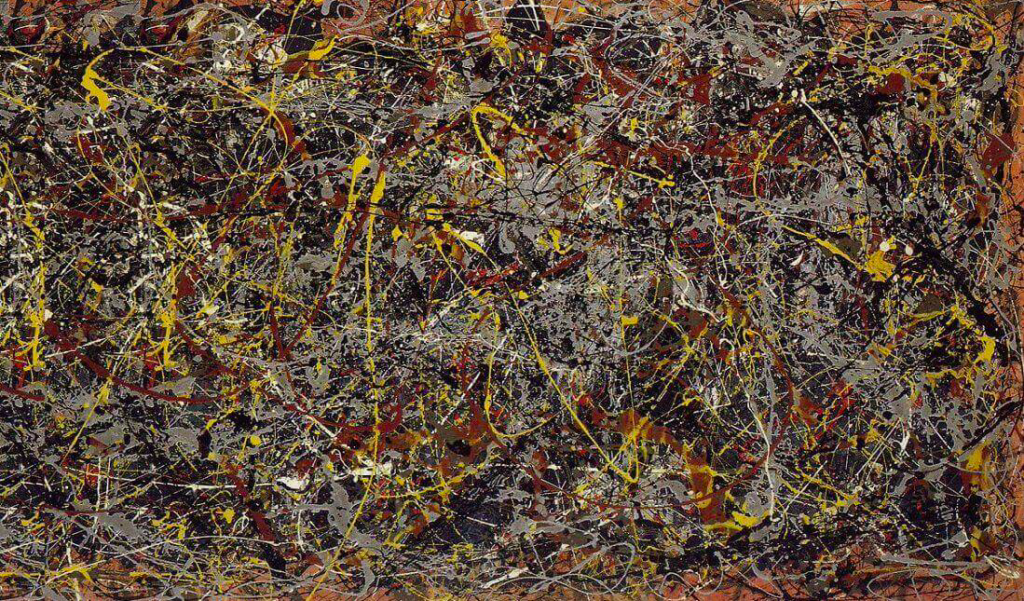
Among the luminaries of what is abstract painting in art, Wassily Kandinsky stands out for his pioneering work, where he treated color and form as emotional languages, as evident in his 1911 piece “Composition V.” Kandinsky’s theories, outlined in his book “Concerning the Spiritual in Art,” emphasized abstraction’s ability to evoke inner experiences, influencing countless artists to prioritize intuition over representation. Similarly, Jackson Pollock revolutionized the field with his “action painting” technique, where he dripped paint onto canvases laid on the floor, capturing the physicality of creation and embodying the post-war American spirit of freedom and chaos. These contributions not only elevated abstract painting’s status but also demonstrated its potential as a form of personal and cultural expression.
Delving deeper, artists like Piet Mondrian contributed through his De Stijl movement, using precise grids and primary colors to represent universal harmony, as in his iconic “Composition with Red, Blue, and Yellow.” This approach influenced modern design and architecture, showing how abstract painting extends beyond galleries into everyday life. In more recent times, figures like Gerhard Richter have blended abstraction with photography, creating blurred, layered works that question reality and perception, further enriching the legacy of what is abstract painting in art. Their collective innovations highlight the movement’s depth, inspiring new generations to explore abstraction as a means of social commentary, emotional release, and intellectual pursuit, ensuring its vitality in the art world today.
Interpreting and Appreciating Abstract Art Today
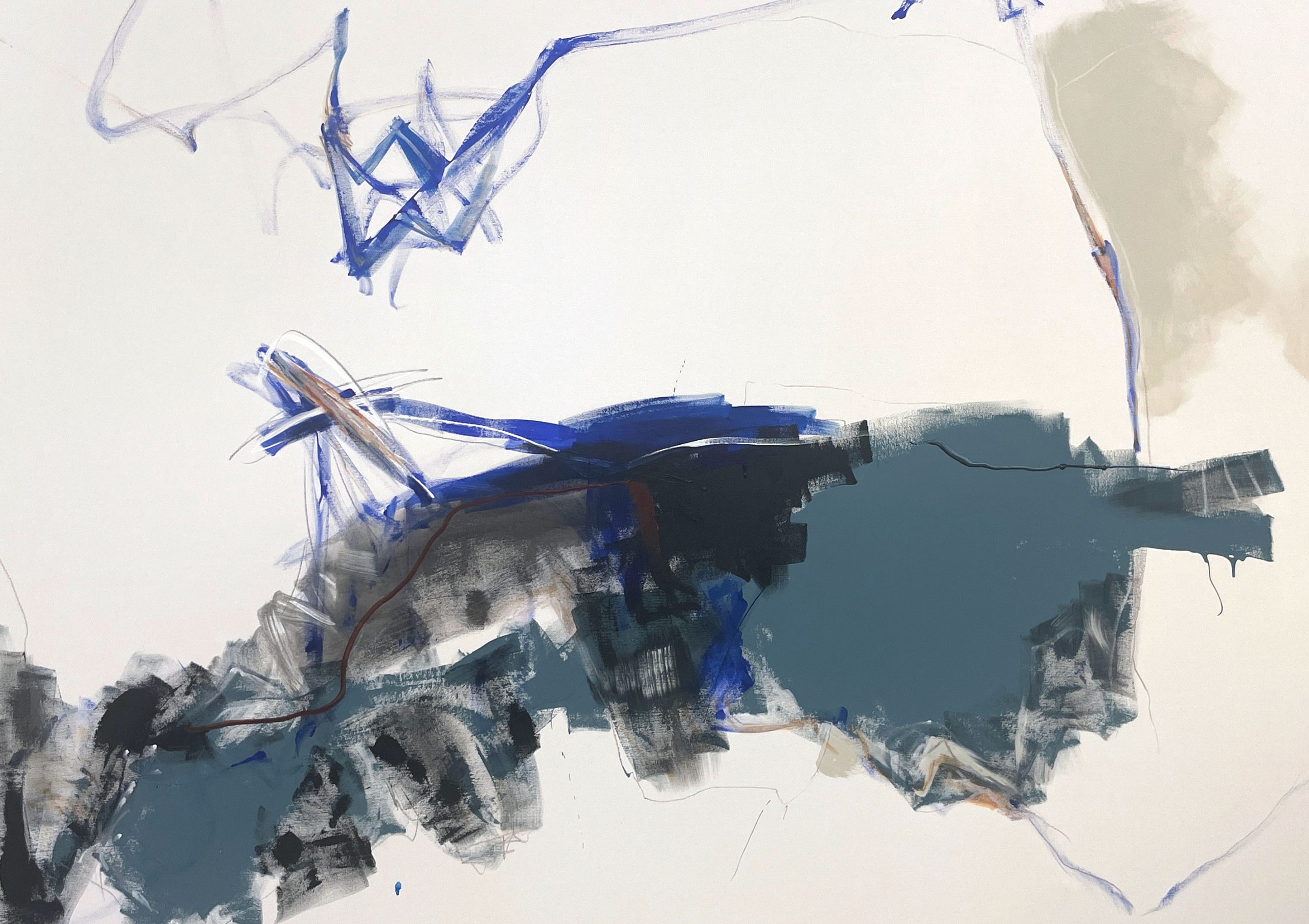
In the context of what is abstract painting in art, interpretation involves a personal dialogue between the viewer and the artwork, where elements like color and form trigger individual associations and emotions. Modern audiences are encouraged to approach these pieces without preconceived notions, allowing their experiences and cultural backgrounds to shape their understanding— for instance, a swirling mass of colors might represent turmoil for one person and harmony for another. This subjective process is enhanced by educational resources, such as museum guides or interactive apps, which provide context about the artist’s intent, making appreciation more accessible and engaging in our digital era.
Furthermore, appreciating abstract art today extends to its role in contemporary society, where it serves as a catalyst for discussions on mental health, diversity, and environmental issues. Artists like Anish Kapoor use abstract forms to explore themes of reflection and infinity, prompting viewers to confront their own perceptions and biases. This ongoing relevance underscores how what is abstract painting in art continues to evolve, blending with technology like AI-generated pieces or virtual reality installations, fostering a deeper connection between art and everyday life. By embracing this form, individuals not only enrich their cultural literacy but also contribute to a global conversation about creativity, making abstract art an essential part of modern discourse.
Conclusion
In summary, abstract painting in art represents a profound departure from traditional representation, encompassing a rich history, diverse styles, and influential artists that continue to shape creative expression. From its foundational evolution through movements like Cubism and Abstract Expressionism to its key characteristics of color and form, this art form challenges viewers to engage deeply with emotions and ideas. Significant figures such as Kandinsky and Pollock have left lasting legacies, while contemporary interpretations highlight its relevance in addressing modern issues, ultimately making abstract painting a dynamic and essential element of the art world today.