

When it comes to creating beautiful and eye-catching window art, one of the first questions that often arises is what kind of paint for window art will deliver the best results. This guide dives deep into the options available, exploring everything from basic choices to advanced techniques, so you can bring your creative visions to life with confidence and vibrancy.
Choosing the Right Paint for Your Window Art Projects

Window art is a fantastic way to add personality and flair to your home or business, turning ordinary glass surfaces into stunning visual displays. But before you dive in, it’s crucial to understand that not all paints are created equal when it comes to glass. What kind of paint for window art you select can make or break your project, depending on factors like weather exposure, desired longevity, and the level of detail you want to achieve. For instance, if you’re planning seasonal decorations that need to withstand rain or sunlight, you’ll want a paint that’s UV-resistant and adheres well to smooth glass. Beyond just picking a color, consider the finish—matte paints can give a subtle, elegant look, while glossy options provide a bold, reflective shine that catches the eye from afar. This decision isn’t just about aesthetics; it’s about ensuring your artwork remains intact and vibrant over time, whether it’s for holiday themes, promotional signage, or personal expression.
Moreover, the preparation of your glass surface plays a pivotal role in how your chosen paint performs. Start by cleaning the window thoroughly with a glass cleaner and a lint-free cloth to remove any dirt, oils, or residues that could cause the paint to peel or bubble. Once you’ve selected what kind of paint for window art, such as one designed specifically for non-porous surfaces, experiment with small test patches to see how it interacts with the glass under different lighting conditions. Engaging with this process transforms a simple project into an artistic adventure, where you learn about viscosity, drying times, and even how paints react to temperature changes. By taking these steps, you’ll not only enhance the durability of your artwork but also unlock creative possibilities, like layering colors or incorporating mixed media for more dynamic effects.


Understanding Paint Types for Glass Surfaces

Glass surfaces present unique challenges for artists due to their smooth, non-absorbent nature, which means what kind of paint for window art must bond effectively without running or flaking off. Acrylic paints, for example, are a popular choice because they dry quickly and offer a wide range of colors, but they require a proper primer or sealant to adhere properly to glass. This type of paint allows for intricate designs, as it’s water-based and easy to clean up, making it ideal for beginners or temporary installations. However, for more permanent pieces, you might explore solvent-based paints that provide better resistance to elements like moisture and UV rays, ensuring your window art doesn’t fade after just a few weeks. Delving deeper, the chemical composition of these paints—such as the inclusion of resins or additives—can significantly impact their flexibility and color retention, turning a standard project into a lesson in material science.
Beyond the basics, understanding the environmental factors that affect paint on glass can elevate your work from amateur to professional. For instance, in humid climates, opting for paints with anti-mildew properties ensures that what kind of paint for window art doesn’t succumb to mold, preserving the integrity of your designs over seasons. This section isn’t just about listing options; it’s about exploring how paints interact with light, creating optical illusions or depth that can make your window art appear three-dimensional. By experimenting with translucent versus opaque varieties, you can play with privacy levels and visual effects, turning a simple window into a storytelling canvas. This comprehensive approach encourages artists to think critically about their medium, fostering innovation and personalized techniques that go far beyond conventional applications.

Acrylics vs. Stains: A Comprehensive Comparison for Window Art
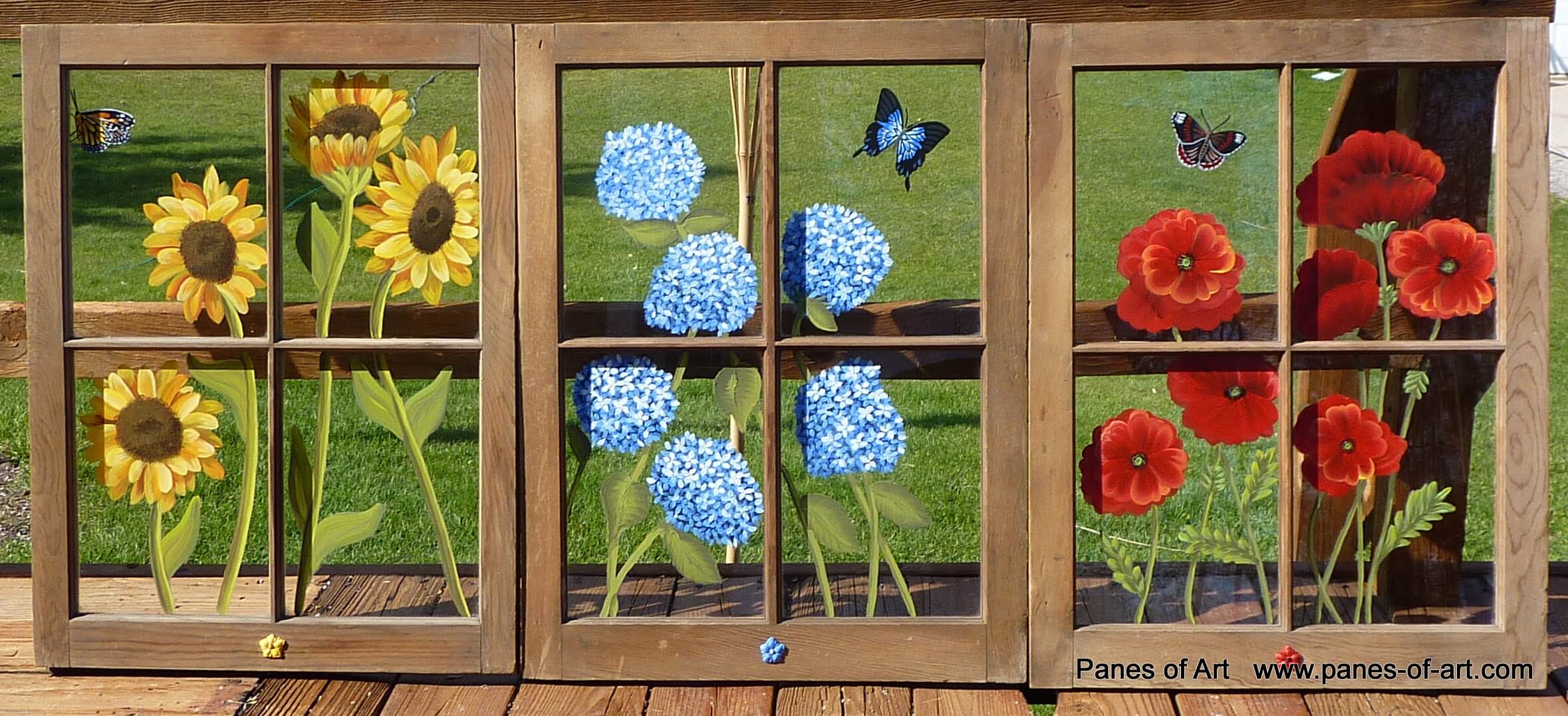
When deciding what kind of paint for window art, the debate between acrylics and stains often takes center stage, as each offers distinct advantages that can dramatically influence your final piece. Acrylic paints are renowned for their versatility and vibrant pigmentation, allowing artists to build layers and achieve fine details with ease. They’re water-soluble, which means they’re forgiving for corrections during the painting process, and once dried, they form a durable film that’s resistant to chipping if properly sealed. On the other hand, stains penetrate the surface more subtly, providing a stained-glass effect that’s translucent and lets light filter through beautifully. This makes stains perfect for creating ethereal, light-play designs, but they require more preparation to ensure even application on glass, as unevenness can lead to blotchy results. A deeper comparison reveals that acrylics excel in outdoor settings due to their weatherproof qualities when varnished, while stains are better suited for indoor art where the focus is on aesthetic translucency rather than longevity.
Taking this comparison further, it’s essential to consider the long-term maintenance and removal aspects of what kind of paint for window art using acrylics versus stains. Acrylics, once set, can be quite permanent and may need solvents for removal, which could be a drawback if you’re aiming for reusable window spaces. Stains, conversely, often allow for easier wiping away with the right cleaners, making them ideal for temporary displays like holiday decorations. Engaging with these options involves testing how they handle real-world scenarios, such as exposure to direct sunlight, which can cause acrylics to yellow over time if not UV-protected, whereas stains might maintain their clarity longer. This nuanced exploration not only helps in selecting the right paint but also inspires hybrid approaches, like combining acrylic bases with stained overlays, to create multi-layered artworks that captivate viewers with their complexity and depth.


Specialty Paints for Durable and Vibrant Window Creations
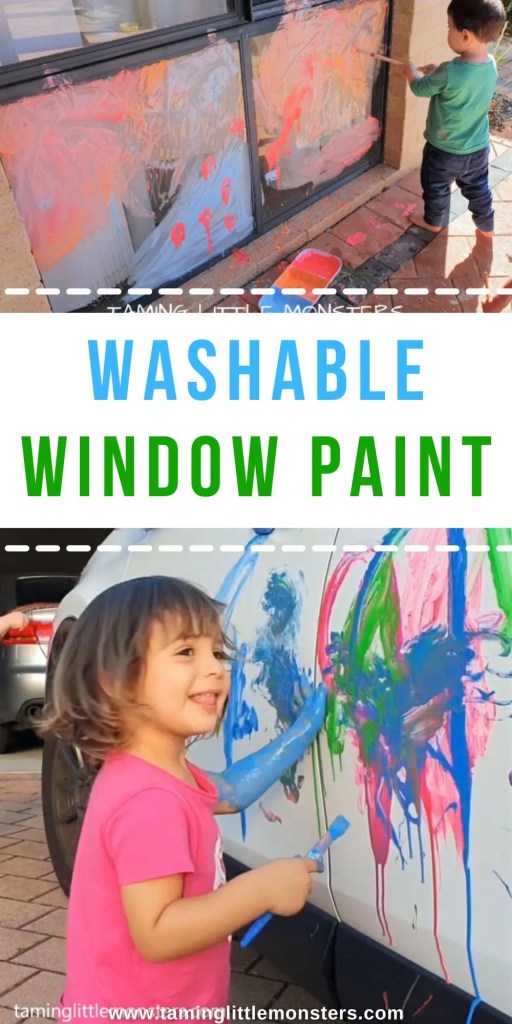
Specialty paints represent the pinnacle of options when pondering what kind of paint for window art that demands exceptional durability and vividness. Enamel paints, for example, are formulated with resins that create a hard, glossy finish, making them resistant to scratches, fading, and even chemical cleaners—perfect for high-traffic areas or public displays. These paints often include metallic or pearlescent additives that add a shimmering effect under light, transforming ordinary windows into mesmerizing focal points. Beyond enamels, there’s the realm of glass-specific paints like those with ceramic properties, which can be baked onto the surface for permanence, ensuring your art withstands extreme weather without compromising color intensity. This category isn’t just about endurance; it’s about enhancing creativity, as these paints allow for techniques like airbrushing or stenciling that bring intricate patterns to life with professional-grade results.
Delving deeper into specialty paints reveals how innovations in formulation can address common pitfalls in window art. For instance, paints infused with nanotechnology provide superior adhesion and flexibility, preventing cracking on expanding and contracting glass surfaces due to temperature fluctuations. When selecting what kind of paint for window art, consider how these advanced options interact with tools and techniques—some specialty paints work best with specific brushes or sprayers, unlocking effects like gradients or textures that elevate your work. This exploration encourages artists to experiment with combinations, such as layering fluorescent paints for nighttime glow, turning windows into interactive elements that engage audiences in new ways. By embracing these specialized choices, you not only ensure your creations are vibrant and long-lasting but also push the boundaries of traditional art forms.
Tips for Application and Longevity of Window Art Paint
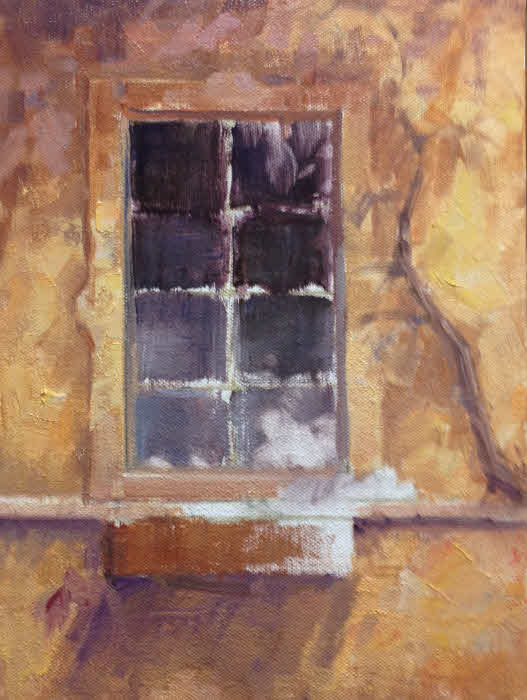
Applying what kind of paint for window art effectively requires a blend of technique and foresight to guarantee both immediate appeal and enduring quality. Start by selecting the right tools, such as high-quality brushes or foam applicators, which help in achieving even coverage without streaks, especially on large surfaces. Temperature and humidity play critical roles here; painting on a dry, moderate day prevents the paint from drying too quickly and causing imperfections, while allowing ample drying time—often 24 to 48 hours—before exposing it to elements ensures better adhesion. Additionally, using a primer designed for glass can enhance the paint’s grip, reducing the risk of peeling over time. These tips go beyond the surface, encouraging artists to develop a routine that includes regular inspections and touch-ups, transforming a one-time project into a maintained masterpiece that evolves with your space.
To maximize the longevity of your window art, consider post-application strategies that protect your investment in what kind of paint for window art. Applying a clear sealant or varnish acts as a protective barrier against UV rays, moisture, and pollutants, extending the life of your design by years. It’s also wise to avoid harsh cleaners or abrasive materials during routine window maintenance, opting instead for gentle solutions that won’t compromise the paint’s integrity. Engaging with these practices involves learning from real-world examples, like how artists in coastal areas use marine-grade paints to combat salt spray, inspiring you to adapt based on your environment. By incorporating these tips, you’ll not only preserve the vibrancy and detail of your art but also gain the satisfaction of watching it withstand the tests of time and weather.
Essential Considerations: Safety and Cleanup for Window Art Paints
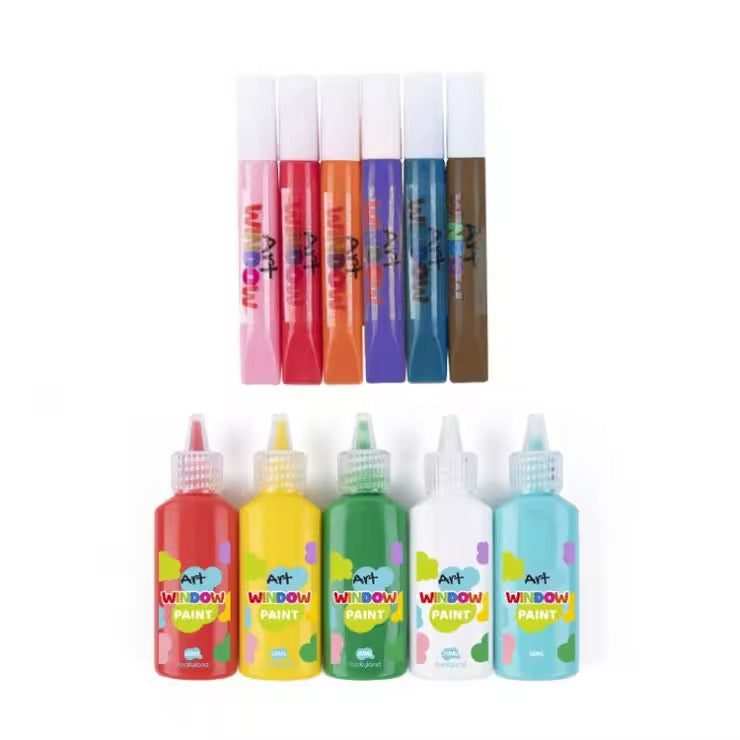
Safety should always be a top priority when working with what kind of paint for window art, as many paints contain chemicals that can pose health risks if not handled properly. Begin by reviewing the paint’s material safety data sheet (MSDS) to understand potential hazards, such as volatile organic compounds (VOCs) that can irritate the respiratory system. Always work in a well-ventilated area, wear protective gear like gloves and masks, and keep paints away from children or pets to prevent accidental ingestion or exposure. For water-based paints, which are generally safer, ensure you’re using low-VOC options to minimize environmental impact, while solvent-based varieties might require additional precautions like using respirators. This consideration extends to disposal, where following local regulations for hazardous waste ensures you’re not contributing to pollution, making your artistic endeavors more responsible and sustainable.
Cleanup is another crucial aspect that ties into the overall experience of using what kind of paint for window art. Immediate action is key—wiping up spills with appropriate solvents before they dry can save hours of scrubbing later, and using soap and water for water-based paints makes the process straightforward. For tougher residues, specialized removers designed for glass can restore surfaces without damage, but always test on a small area first. Engaging in proper cleanup routines not only maintains your workspace but also prepares the glass for future projects, allowing you to experiment freely. By integrating these safety and cleanup strategies, you’ll create a safer, more efficient workflow that enhances your enjoyment of window art, turning potential challenges into seamless parts of the creative process.
Conclusion
In summary, selecting the right paint for your window art projects involves careful consideration of factors like surface compatibility, durability, and application techniques, with options ranging from versatile acrylics to specialized enamels that ensure vibrant, long-lasting results. By understanding the differences between paint types, such as acrylics versus stains, and prioritizing safety and maintenance, you can create stunning artworks that withstand environmental challenges while expressing your unique style. Ultimately, this guide on what kind of paint for window art equips you with the knowledge to transform ordinary windows into extraordinary canvases, fostering creativity and confidence in every brushstroke.